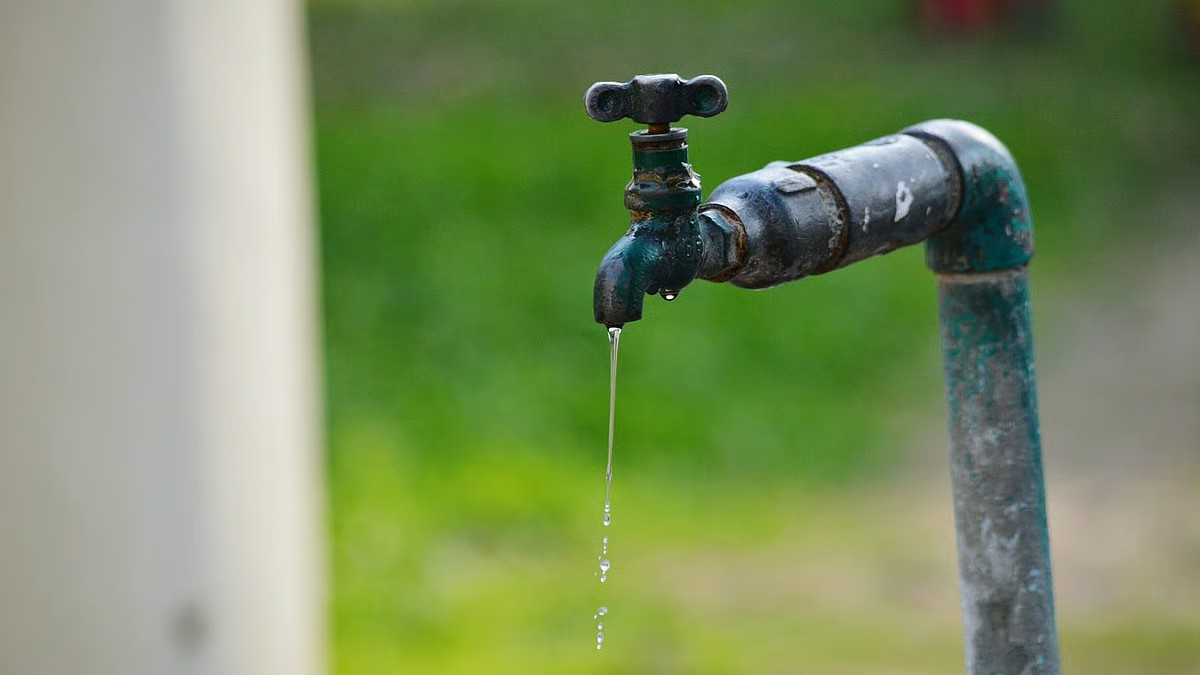
Delhi is stepping up efforts to address its recurring water shortages with a policy that combines incentives and enforcement. The government has announced that rainwater harvesting will soon be mandatory for many properties, with a 10 percent discount on water bills offered as an incentive for compliance. The move is part of a broader strategy to improve water management, reduce wastage during the monsoon and recharge declining groundwater levels across the capital.
Incentives paired with strict enforcement
According to News18, the policy follows a clear carrot and stick approach, where residents and institutions that install functional rainwater harvesting systems will benefit from reduced water bills, while those failing to comply could face penalties. Authorities have stressed that compliance will not remain a formality on paper, with periodic inspections planned to ensure systems are actually installed and working. The approach reflects a shift from voluntary adoption to enforceable urban policy, especially in areas facing acute water stress.
Also Read | Census 2027 field survey gathers pace in the national capital
Government institutions to set the tone
Officials have underlined that public participation will only follow if government bodies lead by example. All public buildings, including offices, schools, and parks, have been directed to ensure that rainwater harvesting systems are installed and operational before the monsoon arrives. The initiative draws on the Jal Shakti Abhiyan: Catch the Rain, which promotes conserving rainwater at the source, but now goes beyond awareness to implementation.
Also Read | Beijing–Delhi flights resume as India-China air links expand
Focus on large properties and long term gains
The policy will particularly target large housing societies, institutions and expansive residential plots, which have a greater capacity to capture and store rainwater. Alongside enforcement, technical support will also be provided to help with installation and maintenance. Beyond the immediate benefit of lower water bills, the larger objective is to strengthen long term water security by ensuring that rainwater is conserved rather than lost to drainage systems. If implemented effectively, the initiative could help stabilise groundwater levels and reduce dependence on external water sources over time.