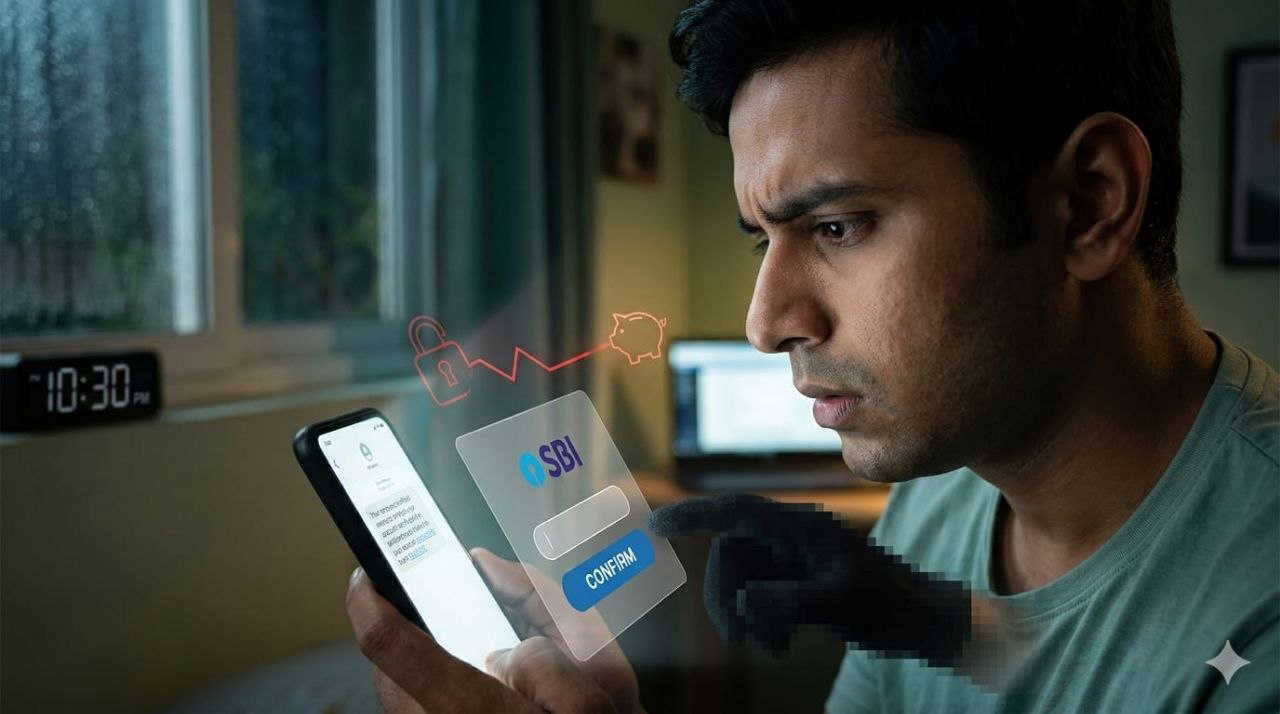
Digital fraud is increasing very fast, and SBI customers are being targeted through a new online scam. Cybercriminals use fear and urgency to trick people into sharing their private banking details. As more people use digital banking, these scams are also becoming smarter and harder to notice.
In this scam, fake messages are sent that look like they are from SBI, saying that your YONO app will be stopped. These messages create panic and make people act quickly without checking if they are real. Many people fall for this because they get scared or do not know about such frauds.
As these scams are getting more advanced, it is very important to understand how they work and how to stay safe. SBI has already warned its customers to be careful and not reply to such suspicious messages. Being aware and alert is the best way to protect yourself from online frauds like these.
Also Read | Ever noticed the cut corner on your SIM? Here’s what it really means
How the scam works
Fraudsters send messages saying your YONO SBI app will be blocked because your Aadhaar or KYC details are not updated. These messages usually have urgent instructions and a link. When people click on it, they are taken to fake websites or asked to download harmful apps. The main aim is to make people panic so they don’t think carefully before acting.
The reality behind these messages
These alerts are completely fake and are made to steal your personal information. The links or APK files shared in such messages often contain malware that can secretly access your phone data, banking details, and other private information. Once installed, this harmful software can run in the background without you noticing and give fraudsters control over your financial accounts.
How fraudsters steal your money
After gaining access, scammers use stolen credentials to log into your bank account and transfer money. In many cases, victims do not realise the breach until it is too late. The entire process can take just a few minutes, leaving accounts empty.
SBI’s official warning
SBI has clearly advised customers not to trust any message asking for KYC updates through any links. The bank also says that apps should only be downloaded from official app stores and that personal or banking details should never be shared through SMS, email, or WhatsApp.
What are the ways to stay safe
To protect yourself, you should avoid clicking on unknown links and keep checking the app permissions on your phone regularly. Always confirm any banking message through the official website or by going to a bank branch. It is also important to stay calm and not rush when you see urgent messages, as that is how scammers try to trap people.
To stay safe from online scams, you should avoid clicking on any suspicious links. It is also important to regularly check the apps installed on your phone and review the permissions you have given them. Any message related to KYC or banking updates should always be verified directly through the bank’s official website or by visiting a nearby branch.
You should never make quick or hasty decisions because fraudsters often use fear and urgency to trick people. Although digital banking is very convenient, the risk of fraud has also increased, so it is necessary to stay alert and carefully check every suspicious message or link before trusting it.
Also Read | How AI is reshaping political campaigning across key Indian states?
Online banking is very convenient, but it also requires users to be careful and responsible. Scammers often use fear and urgency to trick people, so it is important to stay alert and not believe every message blindly.
By always checking and verifying messages and avoiding suspicious links, you can protect your money and personal information. Small careful steps can help you avoid big financial losses and keep your banking experience safe.