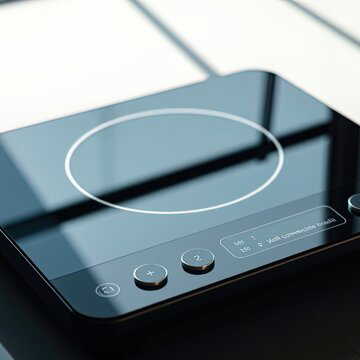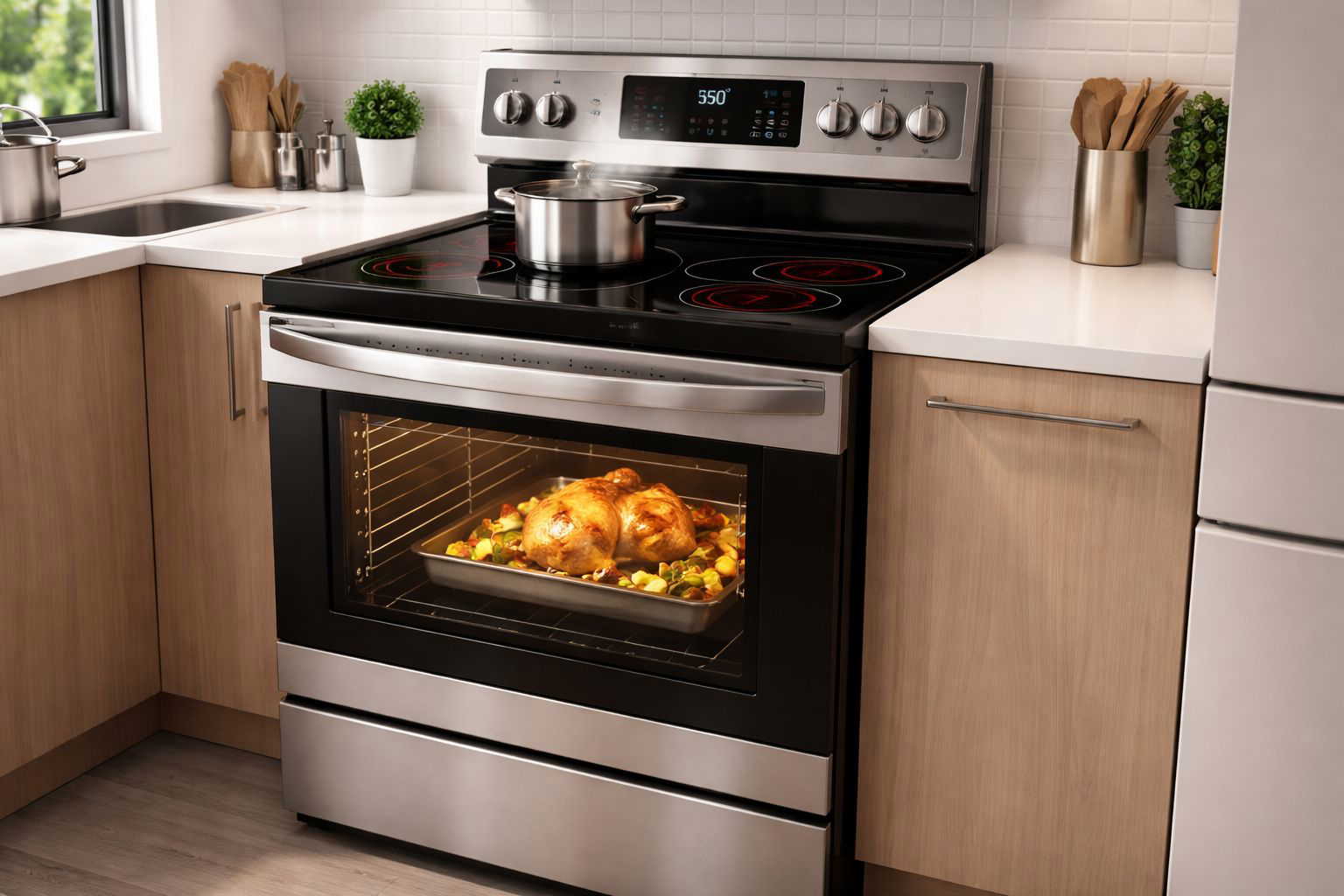
As cooking gas shortages and rising LPG prices begin to affect many households across India, a growing number of families are turning to induction cooktops and electric cooking appliances as an alternative.
Induction stoves are gaining popularity because they are energy-efficient, convenient, and quick to use. Unlike traditional gas stoves, they rely on electromagnetic technology to heat cookware directly. However, experts say that while induction cooktops are safe and efficient, they must be used with the right precautions to avoid accidents and ensure smooth cooking.
ALSO READ | Buying an induction cooktop? These common kitchen utensils won’t work
Before switching to electric cooking, it is important for users to understand how induction appliances work and the safety measures required for daily use.
Why induction cooking is becoming popular
In recent months, concerns over LPG supply disruptions and rising cooking gas prices have pushed many households to explore alternative cooking solutions. Induction cooktops offer several advantages, including faster heating, precise temperature control and improved energy efficiency.
Since induction stoves do not produce an open flame, they can also be considered safer in certain situations. However, proper handling remains essential because they are electrical appliances.
Five safety tips before using an induction cooktop
Use induction-compatible cookware
Not all utensils work on an induction stove. Cookware must have a magnetic base, such as cast iron or stainless steel. Glass, aluminium, or ceramic utensils may not work unless they are specifically designed for induction use.
Allow the cooktop to cool before cleaning
After cooking, the induction surface may remain warm for some time. It is important to allow the cooktop to cool down before cleaning it. Wiping the surface immediately with water or a wet cloth while it is still hot can damage the glass surface and may also pose a safety risk. Once cooled, the surface can be gently cleaned with a soft cloth to maintain the appliance’s performance and durability.
Place the cooktop on a stable surface
The appliance should always be placed on a flat and stable surface so that cookware sits properly on the heating zone. This helps prevent spills and improves heat distribution.
Turn off the cooktop after use
After cooking, users should always switch off the cooktop and unplug it if necessary. Even though many models have automatic shut-off features, manually turning off the appliance remains a safe practice.
ALSO READ | LPG shortage sparks surge in induction cooktop demand; stocks run out in Kolkata
Always keep the cooking area dry
Because induction cooktops run on electricity, the surrounding area should always be dry and free from moisture. Water spills or wet hands can increase the risk of electrical hazards.
Avoid placing metal objects near the cooktop
Induction cooktops generate electromagnetic fields, which can heat magnetic metals quickly. For safety, users should avoid placing items such as spoons, knives, aluminium foil, or metal lids on the cooktop surface when it is switched on. These objects may heat up unexpectedly and cause burns or accidents.
With uncertainty around LPG supply in some regions, induction cooktops are increasingly being seen as a reliable backup option for modern kitchens. When used correctly and with proper safety awareness, they can offer a safe and efficient way to cook everyday meals.