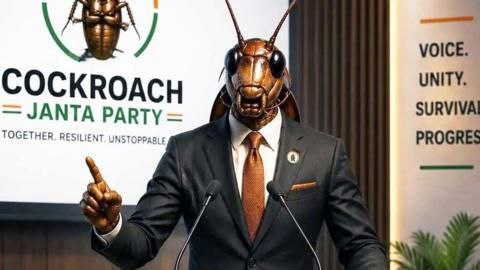
The Delhi High Court has dismissed a petition filed by the satirical social media group “Cockroach Janta Party” seeking restoration of its suspended X account. The court reportedly observed that some of the content shared by the account appeared “slightly offensive,” while hearing the plea against the social media platform’s action.
The case has now sparked discussions around satire, freedom of expression, and social media moderation policies in India.
What did the Delhi High Court say?
According to reports of news18, the court declined to interfere in the suspension of the X account and noted that private social media platforms have their own policies regarding content moderation. During the hearing, the bench reportedly remarked that certain posts made by the account were “slightly offensive.”
The petition had sought directions for restoring the account, arguing that the suspension affected the group’s ability to express satirical political views online.
However, the court reportedly did not find sufficient grounds to order immediate restoration of the account.
What is the ‘Cockroach Janta Party’?
The “Cockroach Janta Party” is known online for posting satirical political content, memes, and commentary on current affairs. The account had built a following on social media for its humorous takes on politics and public discourse.
Also Read | Who is Yudhvir Ahlawat? Young actor who beat Shah Rukh Khan and Vijay on IMDb
The account was suspended by X earlier, following alleged violations of platform rules. The exact nature of the policy violation has not been publicly detailed.
The case gained attention online because supporters argued the suspension raised questions about satire and digital free speech.
Internet reacts to court observation
The Delhi High Court’s “slightly offensive” remark quickly became a talking point on social media, with users divided over the decision. Some people supported stricter moderation against offensive content online, while others argued satire should receive broader protection under free expression.
Also Read | Foreign traveller rates Indian states by women’s safety
Several users also discussed the increasing role of private social media companies in deciding what content remains visible online.
The debate further highlighted ongoing concerns around censorship, platform accountability, and digital speech regulations in India.
Social media moderation debates continue
The case comes amid broader global debates around content moderation on platforms like X, Instagram, Facebook, and YouTube. Social media companies have increasingly faced criticism from different sides, some accusing them of allowing harmful content, while others claim legitimate speech is being unfairly restricted.
According to the report of News18, legal experts often point out that while freedom of speech is constitutionally protected, private platforms still retain authority to enforce their own community guidelines and moderation rules.
The matter has now added another chapter to India’s ongoing conversations around internet regulation and digital rights.