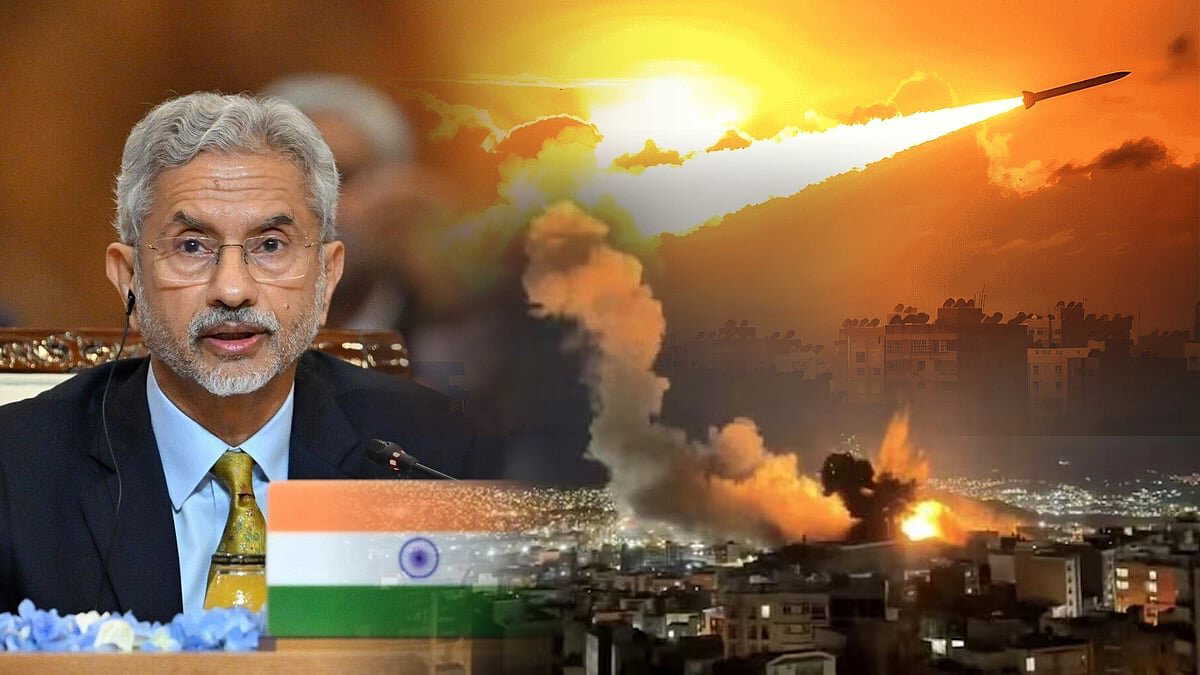
India is closely monitoring the escalating conflict in West Asia and its possible impact on fuel supply, shipping routes, and global trade, External Affairs Minister Dr. S. Jaishankar informed the Rajya Sabha on Monday.
Speaking during the second phase of the budget session of the Parliament of India, Jaishankar said the war involving Iran, Israel, and the United States had raised concerns in India. He said the government believed the conflict should be resolved through dialogue and diplomacy.
Dr. Jaishankar told the House that the ongoing war in West Asia was affecting global supply chains and that the government was assessing the potential consequences. He said India would give top priority to national interests, particularly energy security and the welfare of Indian consumers.
India allows Iranian ships amid crisis
The External Affairs Minister said the government had earlier issued a statement on February 20 expressing deep concern over the situation and urging all sides to exercise restraint.
He also informed Parliament that on March 1, India allowed three Iranian ships to enter Indian ports on humanitarian grounds. One of the vessels is currently docked at Kochi Port in Kerala.
Also Read | India’s cheetah population crosses 50 as five cubs born at Kuno National Park
According to Jaishankar, Iranian Foreign Minister Abbas Araghchi had thanked India for providing shelter to the ships during the crisis. However, he said maintaining communication with top leadership in the region had become difficult due to the ongoing conflict.
The EAM also referred to Israeli strikes on important oil and fuel storage facilities near Tehran, which have increased concerns about disruptions in fuel supply.
Evacuation of Indians from war zone
Dr. Jaishankar said the government was focused on ensuring the safety of Indians living and working in the conflict-affected region. He informed the House that around 67,000 Indian citizens had been brought back from West Asia amid the rising tensions.
He added that the government was continuing efforts to safely evacuate all Indians stranded in the region. The minister expressed particular concern about Indians currently stuck in Iran, noting that India had earlier advised its citizens there to leave the country.
Also Read | Kejriwal in trouble again? Delhi High Court issues notice to AAP chief and 23 others in excise case
He said those who did not follow that advisory were among those still stranded.
The current escalation began after joint attacks by Israel and the United States on Iran on February 28. Iran later launched strikes targeting American bases in several West Asian countries.
Following these developments, many countries in the region temporarily closed their airspace, leaving several Indians stranded. Although airspace has partially reopened, flight services have not yet returned to normal.