For the first time since Operation Sindoor, the Indian Army chief has spelt out how they actually forced Pakistan to surrender.
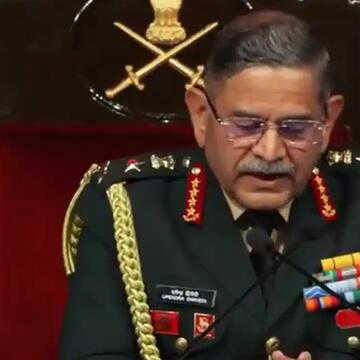
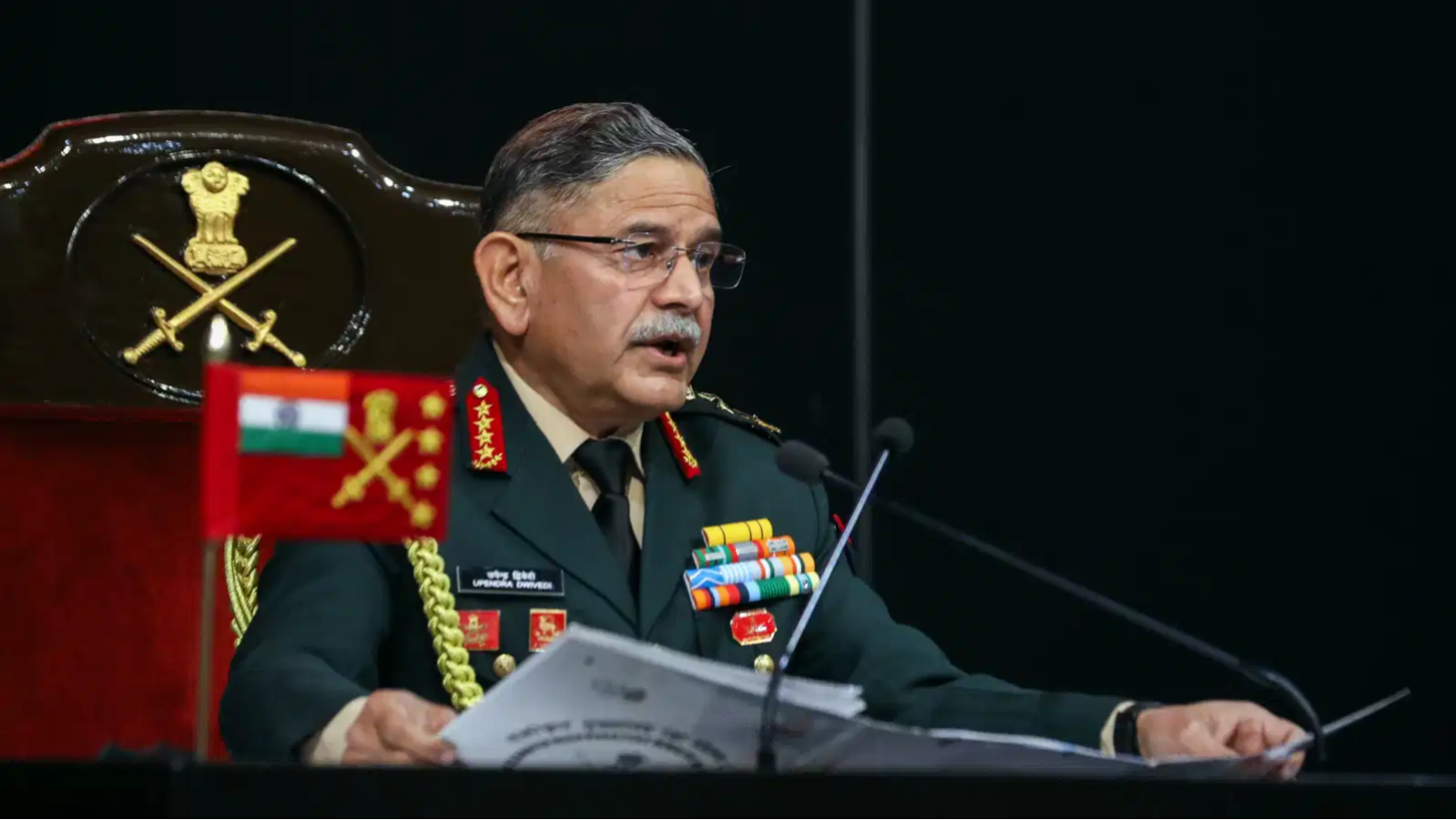
On Tuesday, General Upendra Dwivedi said at the annual press conference, “While addressing the annual press conference in New Delhi, the Army chief said that the Armed forces were given complete freedom to ‘act or respond’ during Op Sindoor.”
“I think we can understand the turning point at two stages. The first turning point was the 22-minute strike that we conducted on terror targets. During that 22 minutes, the decision-making cycle of the opposite side was completely bewildered,” he added.
Army Chief details India's 22-minute strikes
India launched Operation Sindoor in the early hours of May 7, when its military struck nine terror camps across Pakistan and Pakistan-occupied Kashmir, killing several terrorists. The operation, completed in just 22 minutes, has since been repeatedly cited by Prime Minister Narendra Modi, who has said Pakistan effectively surrendered within that narrow window.
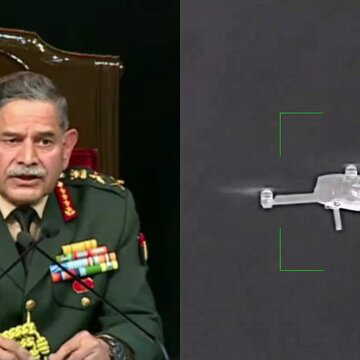
“It took time for them to understand the situation. After that, they started attacking with whatever they had: some started attacking with stones, some with drone or missiles. It was a chaotic situation and they didn't know what is happening,” Dwivedi explained.
“And the mismanagement that was happening on the other side, we gave a calibrated response. We didn't want to take the fighting further because our politico-military aims were achieved.”
“The second turning point was something which I cannot say in the public. But on the morning of May 10, there were certain orders which were given to all the three forces in case the fighting escalates. The message was clear on what was needed to be done and understood by those who needed to understand it,” he said.
ALSO READ| 'Army was prepared for ground operations', says General Upendra Dwivedi on Operation Sindoor
Dwivedi, however, revealed that Pakistan could see through satellite imagery which naval assets and aircraft India was repositioning. “When they connected the dots, they said that it was the right time to stop the fighting there itself and profitable for them,” the Army chief added.
Calling Operation Sindoor a textbook case of “tri-service synergy under clear-cut political directive,” Dwivedi concluded by saying the Indian Army remains satisfied with its progress in 2025.