The Indian government has imposed restrictions on the availability and distribution of petroleum, petroleum products, and natural gas under the Essential Commodities Act of 1955 as it is concerned over disruptions in global energy supplies due to the West Asia conflict.
This comes as tensions between Iran, Israel, and the US are still high and are affecting oil supplies.
According to officials, this will help the Centre to step into the fuel supply chain and ensure that essential energy supplies are available and there is no scope for hoarding and black marketing.
Also Read | No hot meals on trains? IRCTC considers packaged meals amid LPG supply worries
What the Essential Commodities Act allows the government to do
The Essential Commodities Act was introduced in 1955 to ensure that essential commodities are available at reasonable prices.
Under the Essential Commodities Act, as per Section 3, it is within the power of the central government to regulate the production, supply, and distribution of essential commodities in public interest. This includes the power to fix stock limits, control prices, and direct distribution and regulate storage and sale of essential commodities, if necessary.
Under this Act, essential commodities have ranged from food grains, edible oils, fertilizers, drugs, and petroleum products over the years.
Why fuel supply is being monitored closely
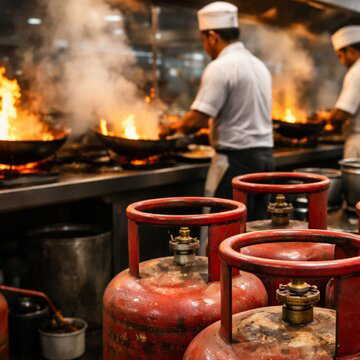
Fuel products are considered essential because they power transport networks, support electricity generation, sustain industrial activity and serve as cooking fuel for millions of households.
India imports more than 80 per cent of its crude oil requirements, making it particularly vulnerable to global supply disruptions. This is because any escalation in the West Asia conflict may impact shipping routes, energy infrastructure, or oil production in the region.
The government may invoke the Essential Commodities Act and direct oil companies on how to proceed with distribution priorities. This way, it can ensure equitable distribution of fuel and prevent panic buying or hoarding in the event of shortages. This is what government officials say is behind the decision to invoke the Essential Commodities Act.