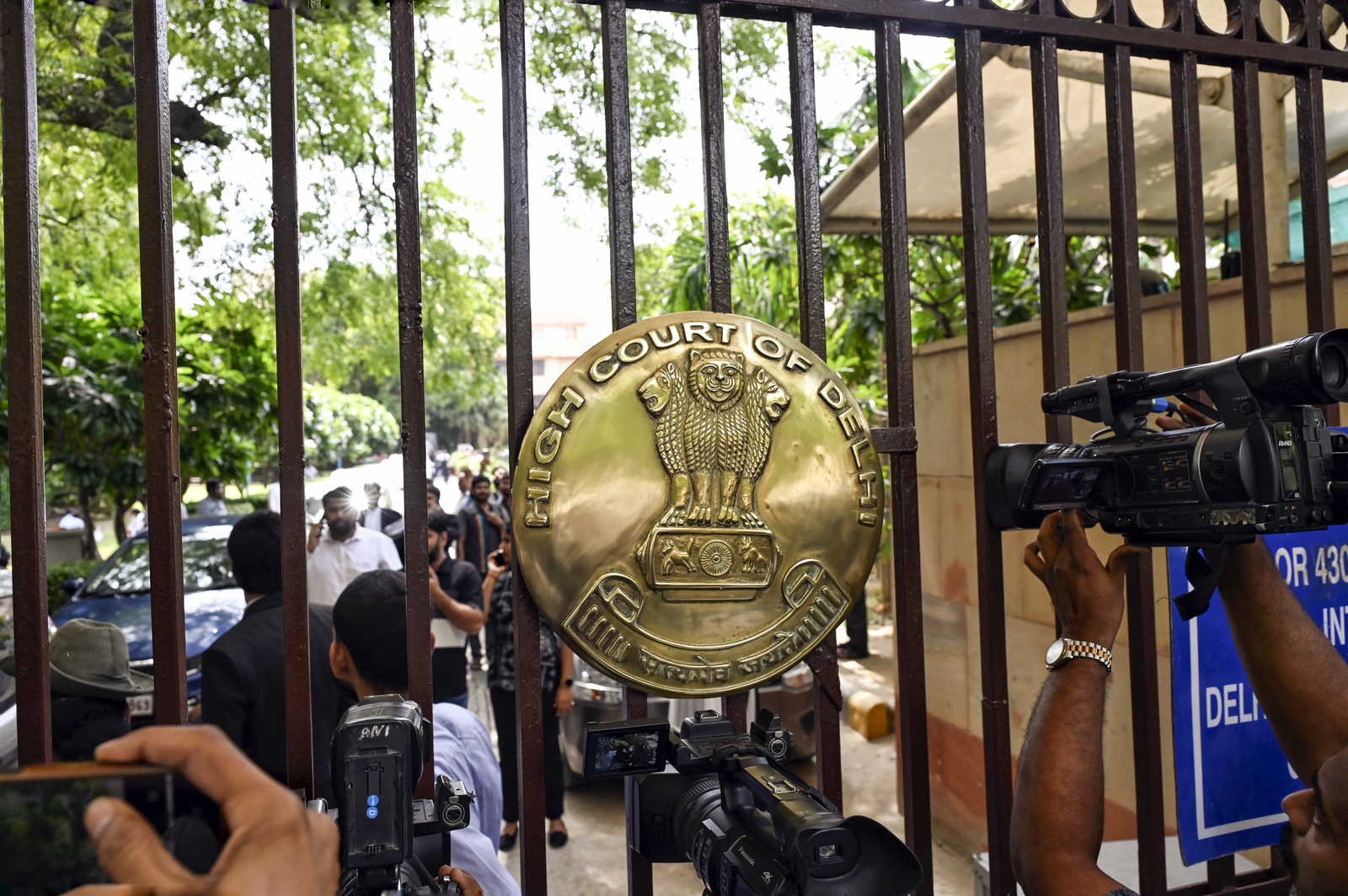
A Delhi Court has acquitted a man accused in a 2020 attempt-to-murder case in Jafrabad, observing that the prosecution failed to prove his identity as the attacker beyond a reasonable doubt.
Court cites lack of evidence, gives benefit of doubt
According to the Hindustan Times, the case was heard by Additional Sessions Judge Kumar Rajat, who ruled that the evidence presented was insufficient to convict the accused, Aamir, under Section 307 of the IPC. The court stated that the benefit of the doubt must go to the accused as the prosecution could not establish its case convincingly. According to the prosecution, the incident took place on October 9, 2020, in Chauhan Bangar, Jafrabad, where the complainant, Mohammad Suhail, alleged that he was attacked with a knife following a dispute over a scooter. He claimed to have suffered injuries to his neck and hand and was later taken to a hospital.
Also Read | ‘Not without divorce’: Allahabad HC’s past ruling on married man’s live-in now takes different view
Witness inconsistencies weaken prosecution case
During the trial, seven witnesses were examined, including the complainant and eyewitnesses. However, the court noted that several key witnesses either turned hostile or gave contradictory statements during cross-examination. The judge observed that the testimonies were not reliable and contained major inconsistencies, omissions and contradictions. This raised serious doubts about the identity of the accused as the assailant. The court also pointed out that the alleged weapon used in the attack was never recovered during the investigation. While medical reports confirmed that the injuries were caused by a sharp object, they could not establish the accused’s involvement without clear identification.
Also Read | Married man in live-in relationship with consenting adult woman not an offence: Allahabad High Court
The ruling highlights the importance of consistent and credible evidence in criminal trials. In the absence of reliable witness testimony and concrete proof linking the accused to the crime, the court concluded that the charges could not be sustained, leading to the acquittal.