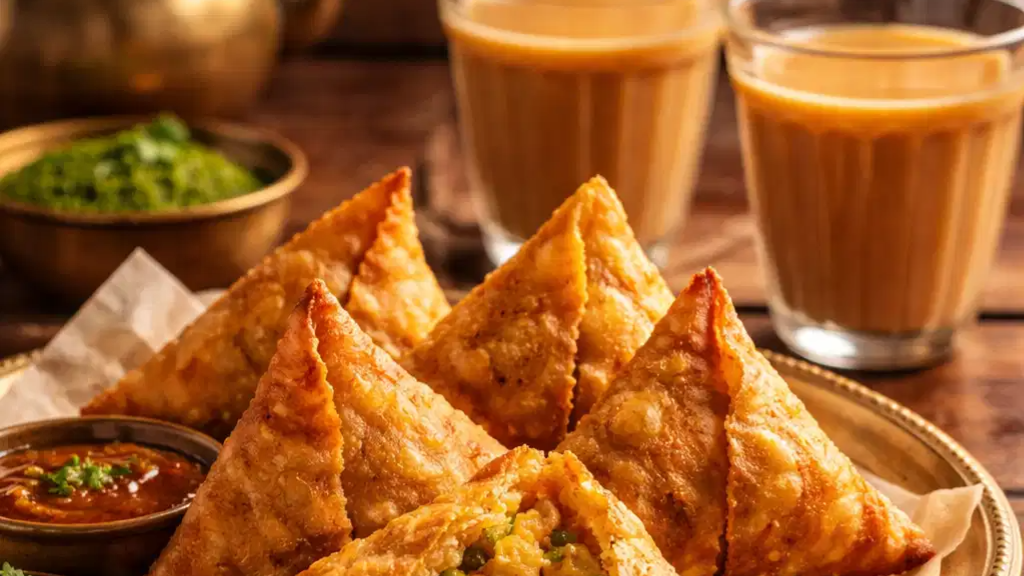
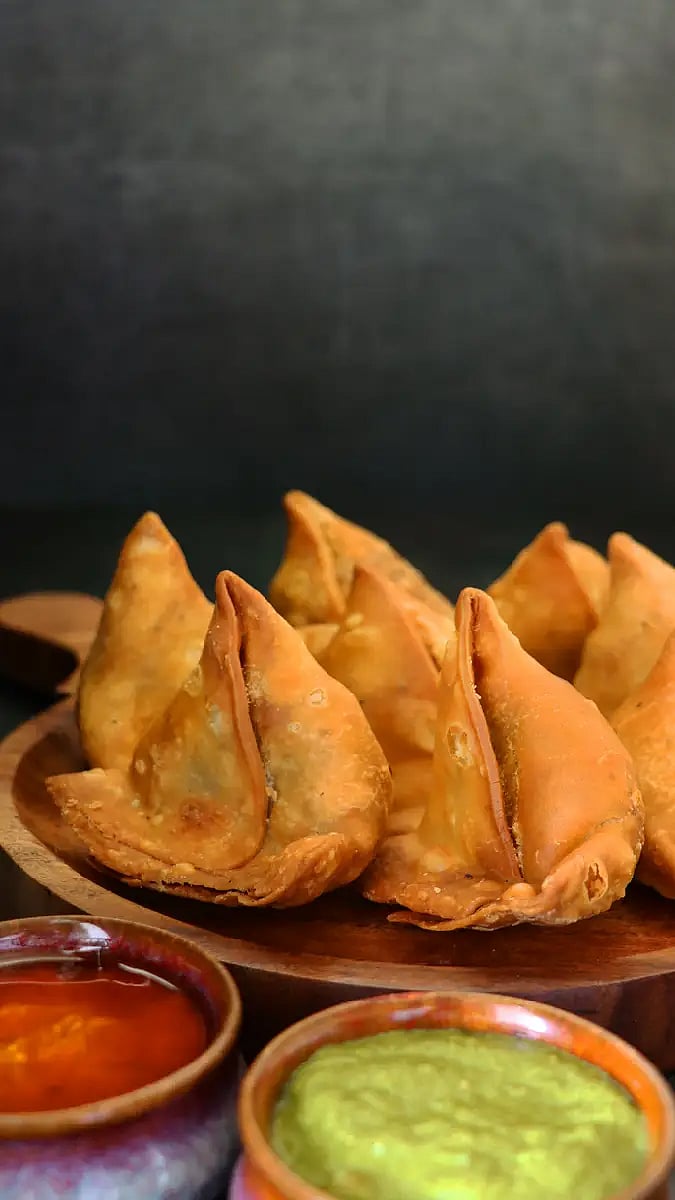
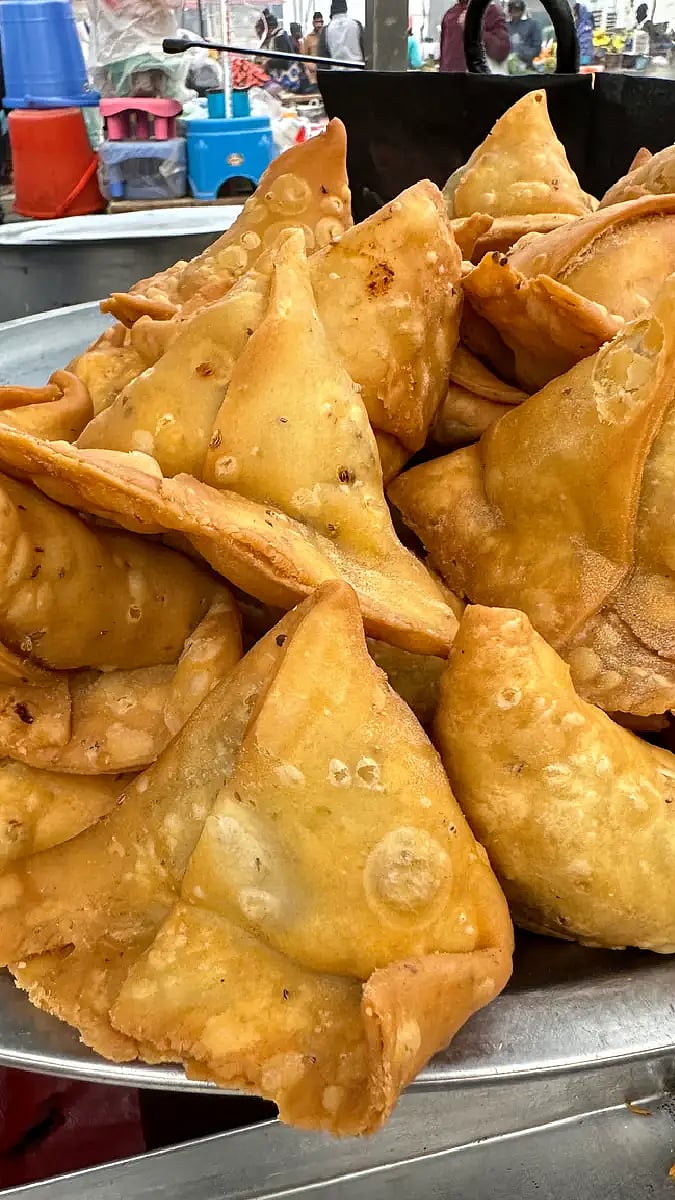
It is rare to find a Bengali who does not love singara. Besides, why only Bengalis – you can easily find this crispy snack anywhere in India. The name varies, of course. Somewhere it's singara, elsewhere it's samosa.
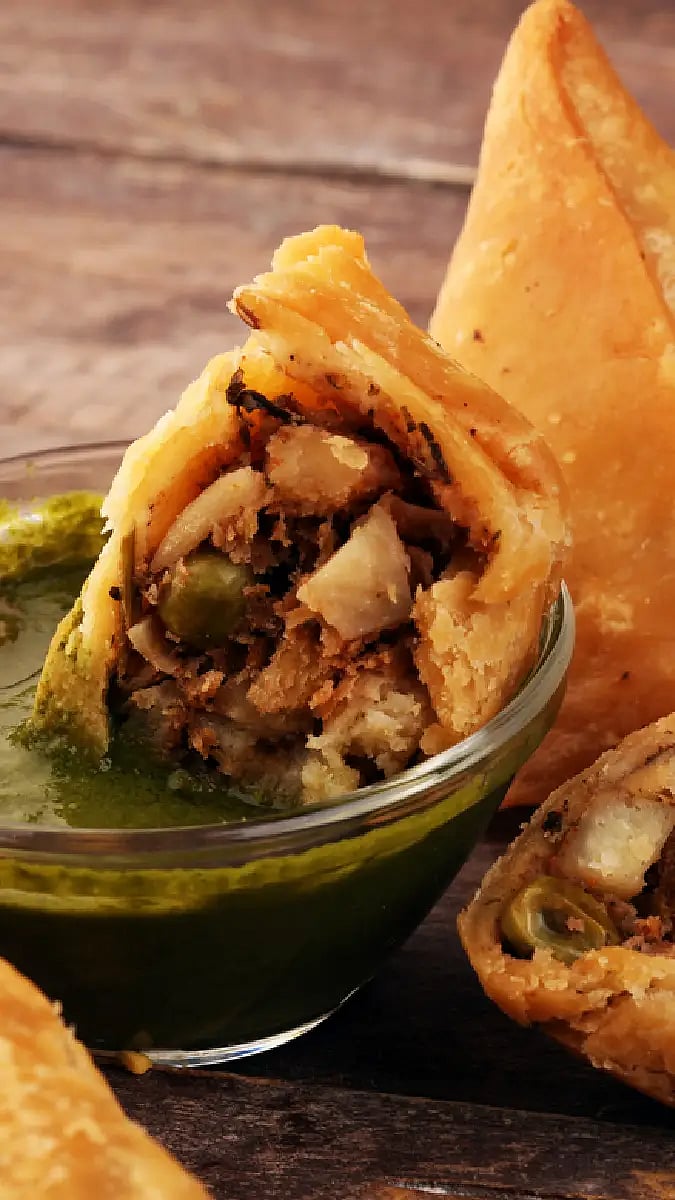
In the evening, with hot tea and a bite of crispy singara, one's mood is bound to lift. There are many varieties of singara. Some with potato filling, some with cauliflower twist in winter, some with meat filling. There are sweet singaras too. But do you know how it originated?
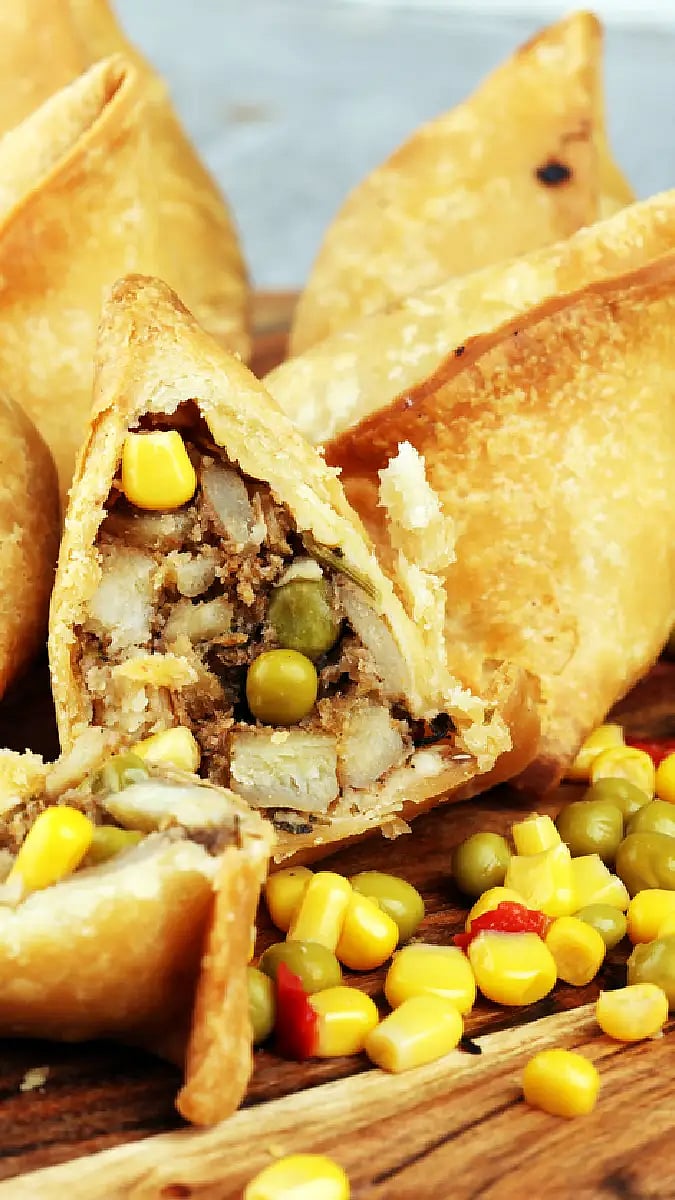
It is said that from around 900 AD, a type of appetizing food made from a mixture of barley and flour was found in Persia (present-day Iran).
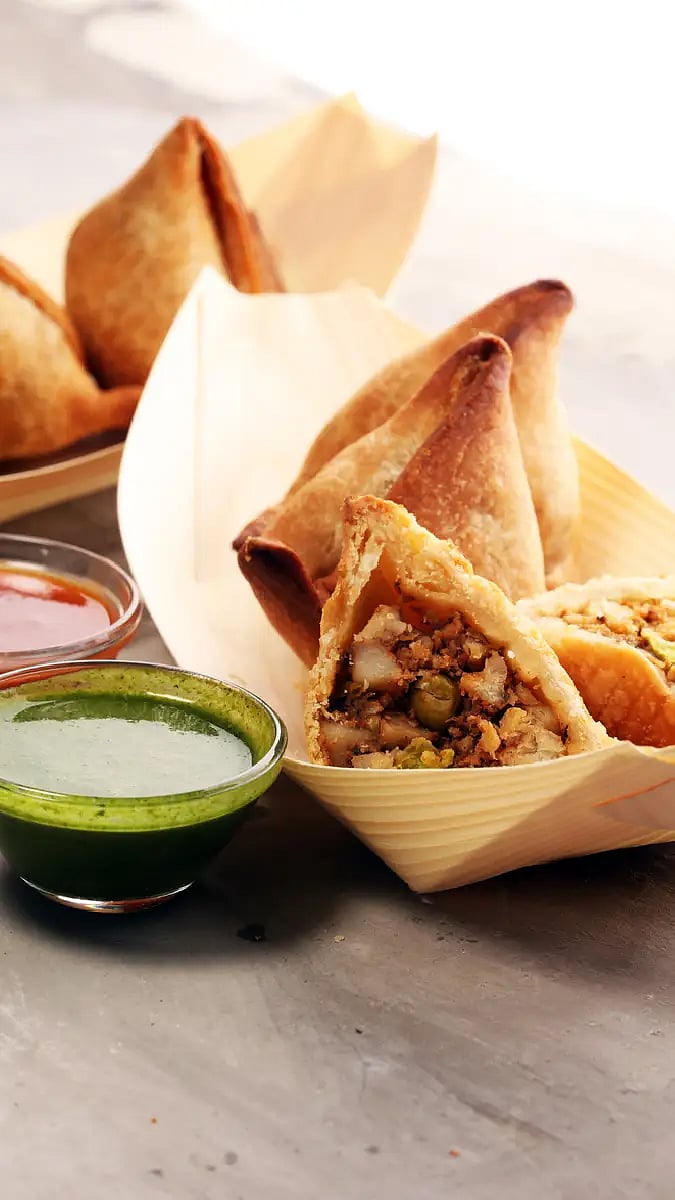
A dough was formed by mixing barley and flour. It was filled with a mixture of vegetables and meat. Its shape was like today's singara. This dish was customarily baked over fire and eaten. It was called sanbashak.
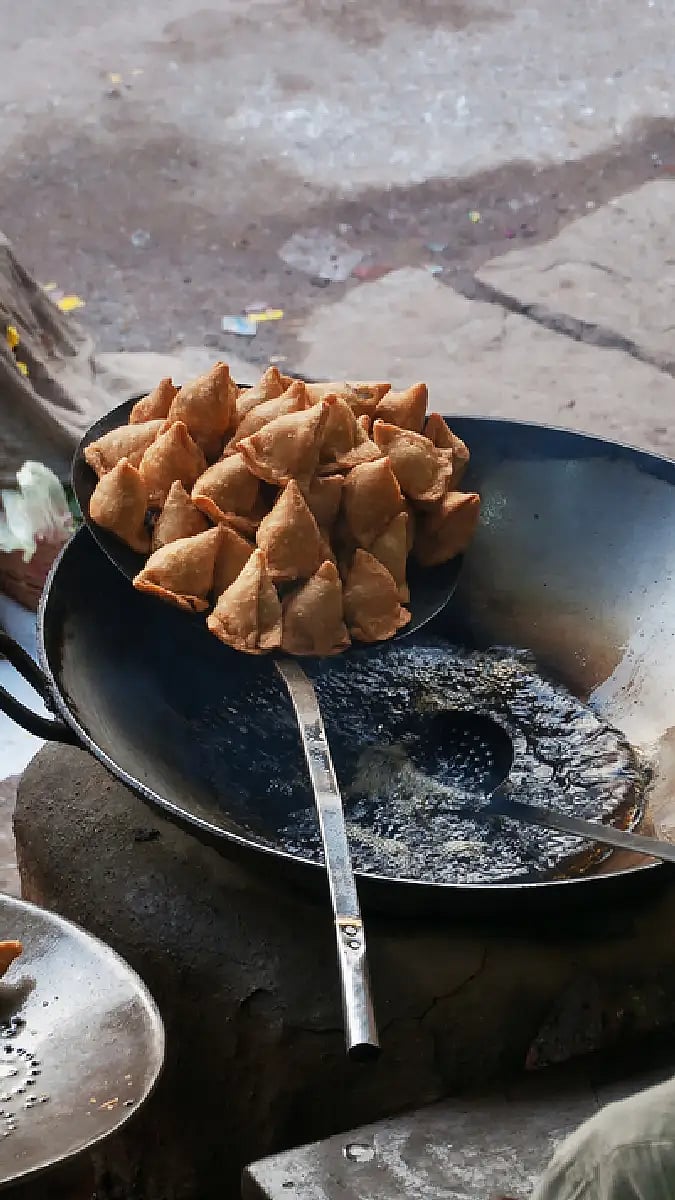
There are different opinions about the origin of singara. According to some historians, Iran's trade relations with India are very old. At that time, they were very fond of eating a type of local Indian food called sambusa here. Which is supposedly today's singara.
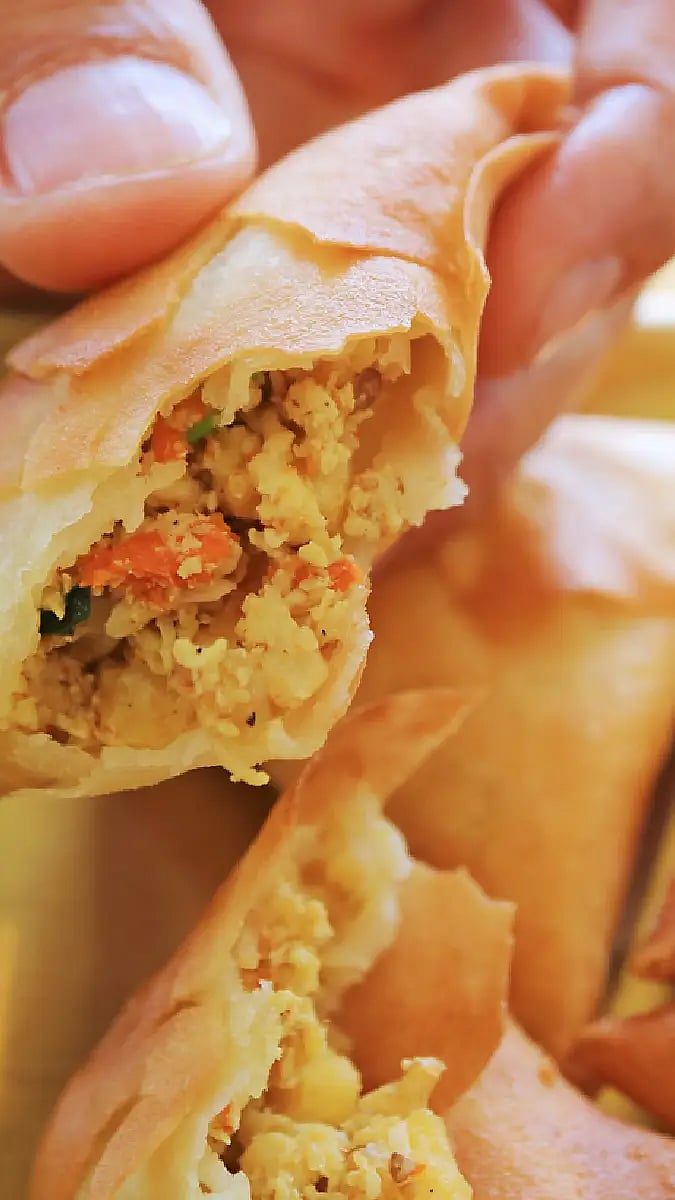
In many ancient texts, mention is found of a triangular dish made with flour and meat. Its name was shringatak. Some food experts believe that today's singara originated from there.
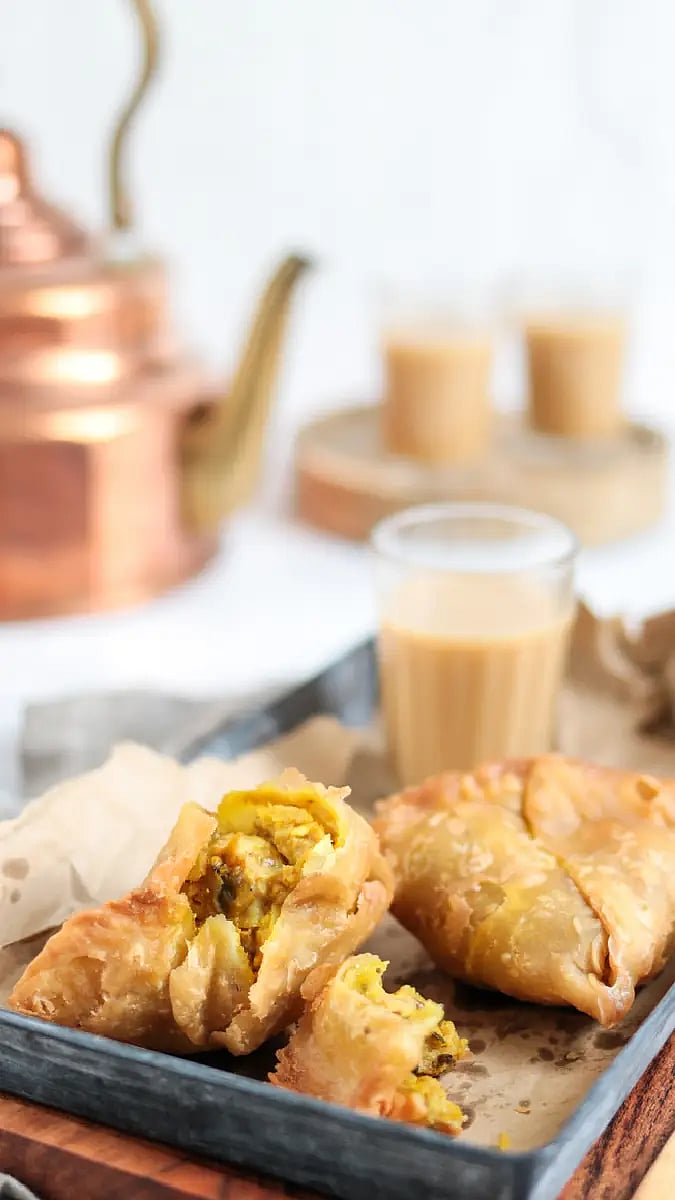
Bengal also has a connection with the invention of singara. King Krishnachandra of Nadia was known as a food connoisseur. A person from Odisha worked as a cook in his kitchen. His name was Giridhari Behera.
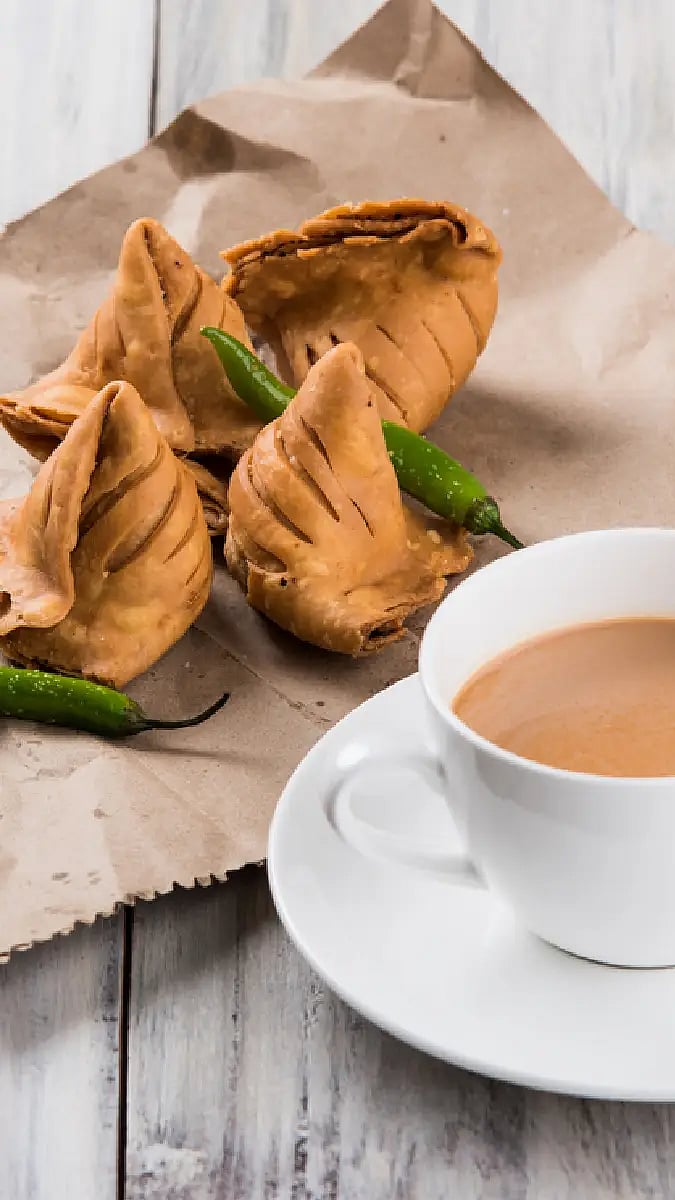
One day, the luchi cooked by Giridhari became cold while being served. King Krishnachandra became extremely angry and ordered him to be impaled. But later, though his heart softened due to pleading, he ordered Giridhari to leave the kingdom.
At this time, Giridhari's wife Dharitri Devi came as a savior. Going to the royal court, she asked for one last chance. She claimed she would make such luchi and curry that would remain hot even after a long time. The king also gave her that opportunity.
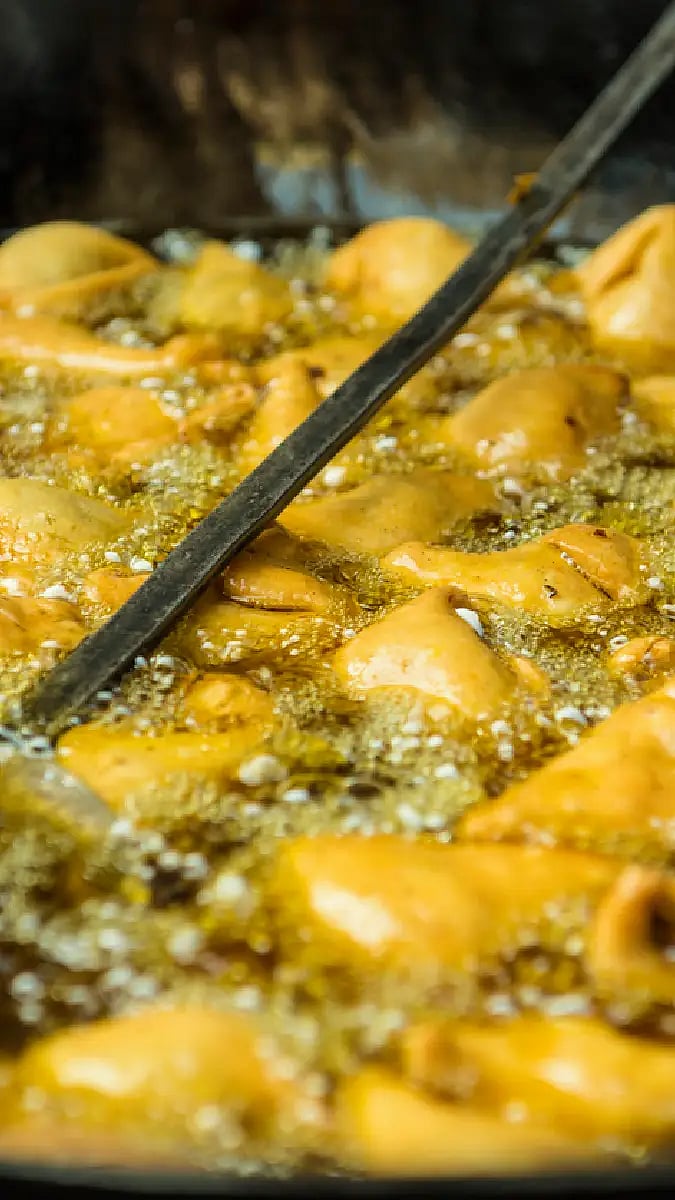
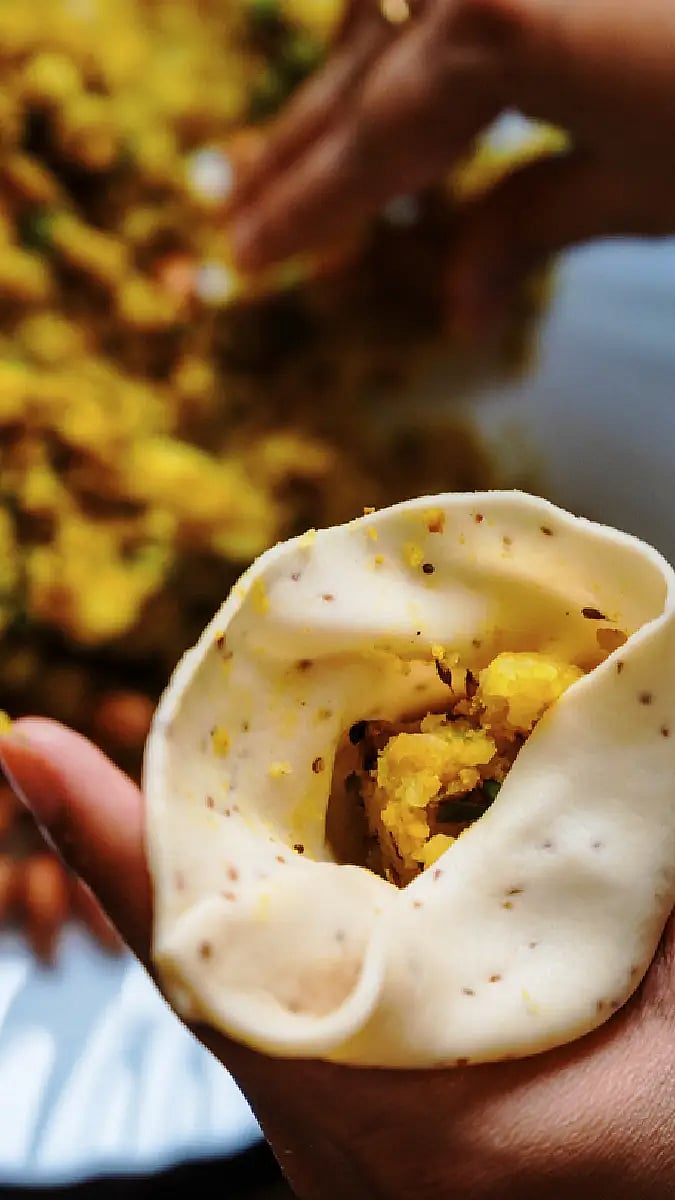
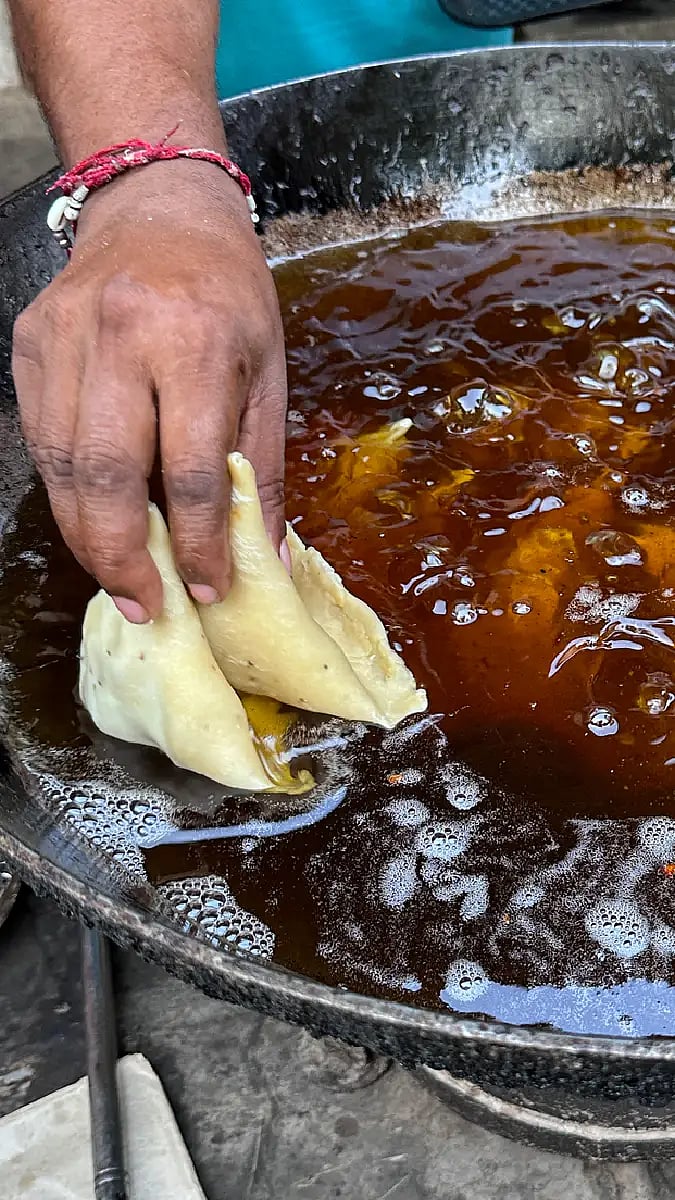
Going to the kitchen, Dharitri Devi prepared potato curry. She kneaded flour and rolled it out, filling it with that curry. With skillful hands, she wrapped the flour in triangular shape and fried it in oil. Then it was served before the king on a silver plate.
Also Read | No AC? These simple ways can still keep your home cool in summer
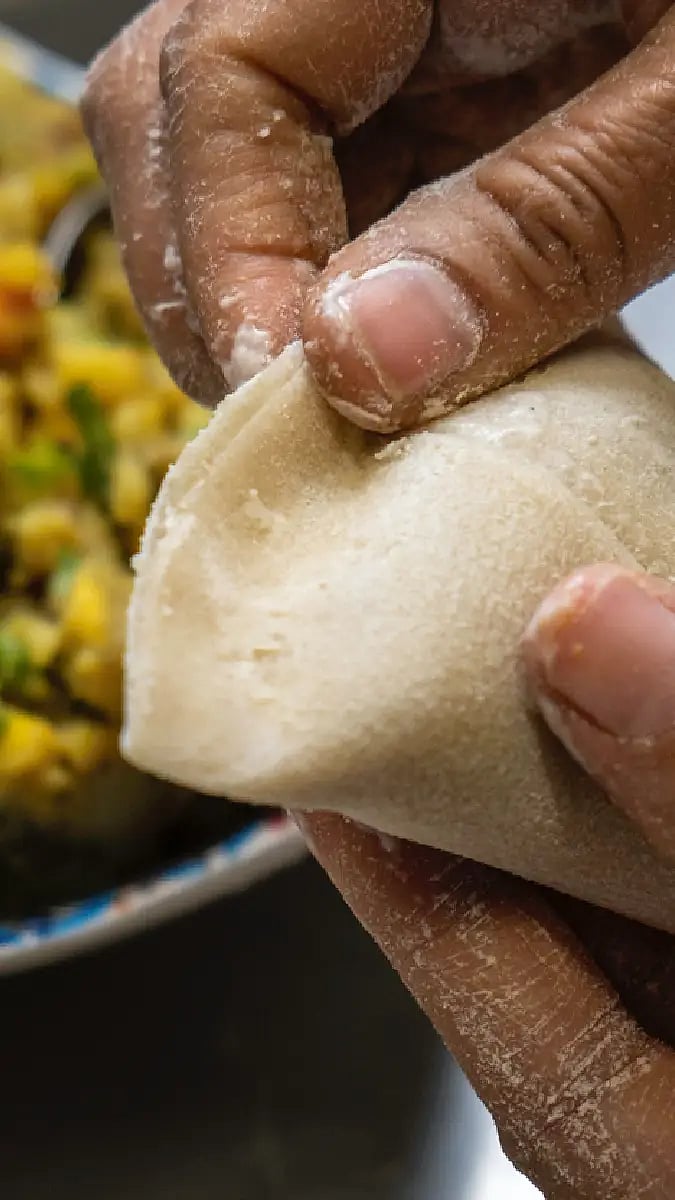
Krishnachandra was delighted eating this new luchi-curry. When asked about the name of this dish, she said samabhuja. From then began today's singara.
In the writings of 13th-century Sufi poet Amir Khusru, mention is found of singara-type food filled with meat. In Abul Fazl's book Tarikh-i-Behki, mention of the sambosa dish is also found, whose description resembles singara.
Notice that in most cases, all the singaras mentioned in ancient times used meat. Mention of singara with potato filling is found only during Krishnachandra's time.