
Menstrual cycles can vary from person to person-some may have a 28-day cycle, while others may have a 32-day one. Even for the same individual, periods can shift by a few days each month. However, when an important event like a trip, wedding or festival coincides with that time, it can feel inconvenient and stressful.
The physical discomfort during periods-such as abdominal pain, fatigue and heaviness-can take away from the joy of celebrations. Long hours of movement, travel or socialising can also feel difficult, especially while managing sanitary products.
Because of this, many women choose to delay their periods using medication when they fall on special occasions. Period-delaying tablets have become quite common for this reason. But an important question remains: how safe are these medications to use?
How effective are period-delaying medications?

Period-delaying medications usually contain a hormone called norethisterone, which increases progesterone levels in the body. This rise in progesterone helps postpone the shedding of the uterine lining, thereby delaying menstruation.
These medications are generally available in two main types. One is the phasic pill, which typically comes in a pack of 21 tablets and is taken in a specific sequence. The other is the mini pill, which primarily works by reducing estrogen levels in the body.
ALSO READ | International Day of Happiness 2026: How to stay happy with 5 simple, no-cost habits
Both types influence hormonal balance to delay periods, but they should be used with proper guidance.
How long can periods be delayed by taking this medication?

Typically, period-delaying medication is started 2–3 days before the expected date of menstruation. It should be taken continuously for as long as you wish to postpone your period. Once the medication is stopped, the menstrual cycle usually resumes within 3–4 days.
Is it right to delay periods by taking medication?
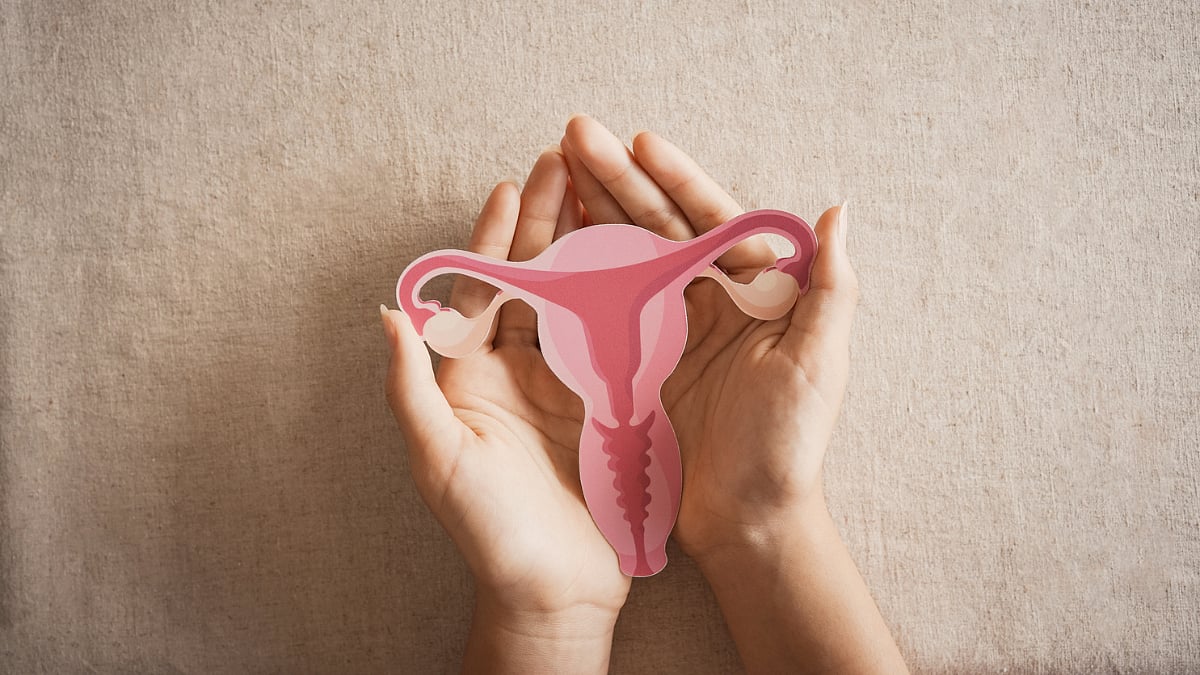
The menstrual cycle is a natural process of the body. When this natural process is disrupted, other physiological processes are also hindered. Various hormone levels in the body are disturbed. Therefore, when trying to delay menstruation, the entire physiological process gets disrupted. This also affects reproductive health. Firstly, it's better to avoid such medications as much as possible.
Additionally, these medications should only be taken following a doctor's advice.
What problems can occur in the body if periods are delayed by taking medication?

Period-delaying medications are not the same as contraceptive pills and cannot prevent pregnancy. These medicines should never be taken without consulting a doctor.
ALSO READ | No AC? These simple ways can still keep your home cool in summer
Using them without proper guidance can disturb hormonal balance and lead to side effects such as irregular bleeding, fluctuations in blood pressure, migraines and breathing-related issues. Some people may also experience digestive problems, weight gain, or changes in breast tissue.
With repeated or prolonged use, the risks may increase. In rare cases, it can lead to swelling in certain glands or serious complications like blood clots in the brain or lungs.
Because of these potential risks, it is important to use such medications only under medical supervision.