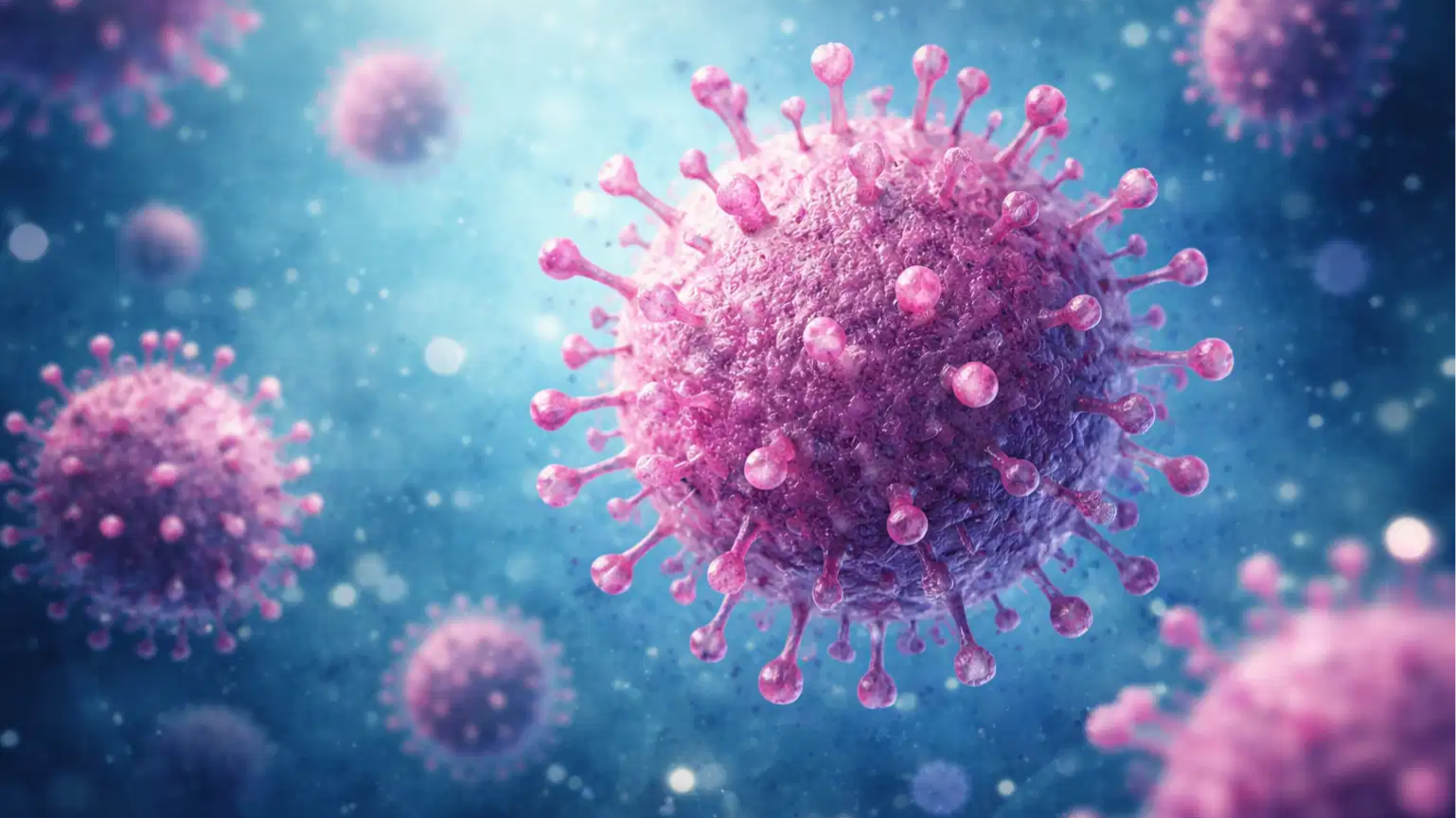
Human metapneumovirus (HMPV), a respiratory illness that mimics a common cold, is rising in the US, and the relevant health agencies are taking the situation seriously.
According to data from the Centers for Disease Control and Prevention (CDC), HMPV cases have made up 5% of positive respiratory tests in the United States as of early March. Surveillance of wastewater samples has also detected increased viral activity.
While cases of HMPV have been on the rise since fall 2025, they have recently raised concern as they can be hard to differentiate from other common winter ailments.
Also Read | 'Their courage will never be forgotten': Six US service members killed in Iraq crash, Trump pays respects
What is HMPV and how does it spread
HMPV is a viral infection of the human respiratory system. It was first detected in 200 and is a member of the same group of viruses as the Respiratory Syncytial Virus (RSV). It is seasonal. Its season peaks between winter and spring.
HMPV is spread by the direct transmission of the infected person's respiratory secretions into the air by coughing or sneezing. It is also spread by touching an infected person's hands by shaking hands. It is spread by touching an infected surface and then touching the face.
Similar symptoms to common viral infections
The symptoms of HMPV resemble those of other viral infections, making early detection of the infection challenging. The most common symptoms include coughing, fever, nasal congestion, and shortness of breath. The infection can lead to bronchitis or pneumonia in some cases.
Infectious diseases expert Dr. Tyler B Evans said in an interview with the Daily Mail that "for the vast majority of people outside those groups, HMPV is not a serious concern.” However, he noted that in high-risk individuals, “it can progress to lower respiratory tract disease," particularly in shared living environments.
Who is at greatest risk?
Health experts say infants, young children, older people over 65 years of age, and people whose immune system is weakened are at higher risk of getting severe illness from HMPV. Outbreaks in shared living situations, such as nursing homes and shelters, may also spread the virus faster.
Also Read | FBI hunts Indian national in fraud case—what did Kalpeshkumar Patel do?
There is currently no vaccine or antiviral medication to treat the disease. Most cases of the disease are mild and can be treated symptomatically.
Preventive measures have been recommended by the authorities. These include washing hands frequently, avoiding close contact with infected persons, disinfecting surfaces, and ensuring proper ventilation.