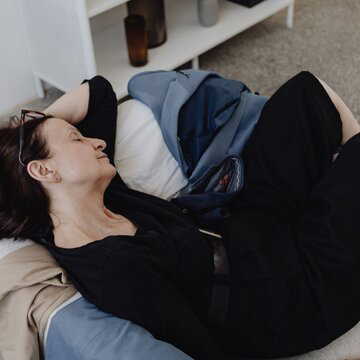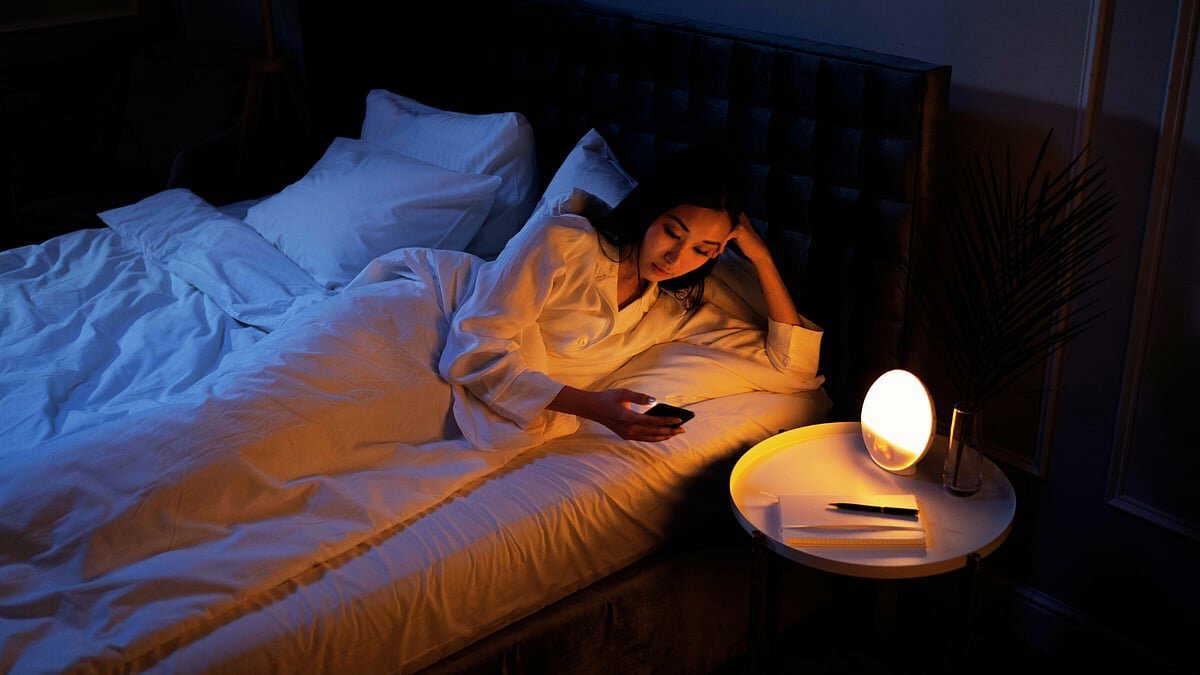
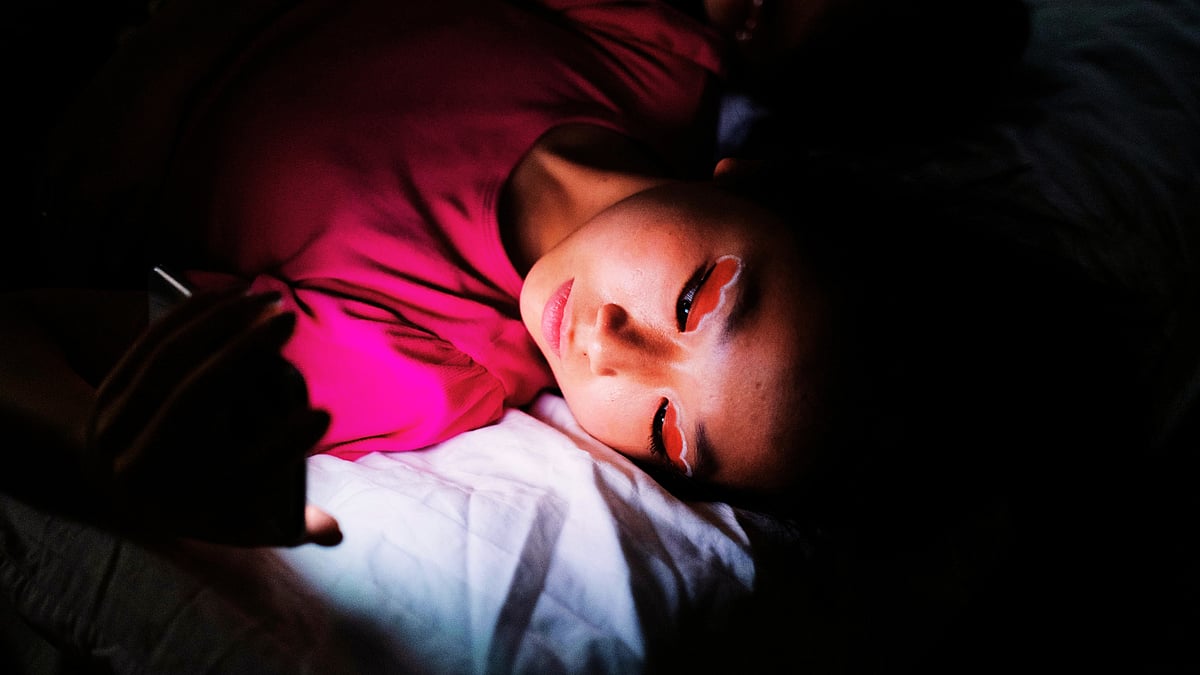
Even after a long day at work, when time finally comes to let yourself take some rest, falling asleep feels like a challenge that surpasses every challenge you had to face the entire day. Hours pass listening to music, scrolling through reels, or watching movies. Sleep finally arrives at dawn, just when it is time to wake up. Such irregular sleep patterns can eventually lead to mental stress and depression. So what is the way out of this problem?

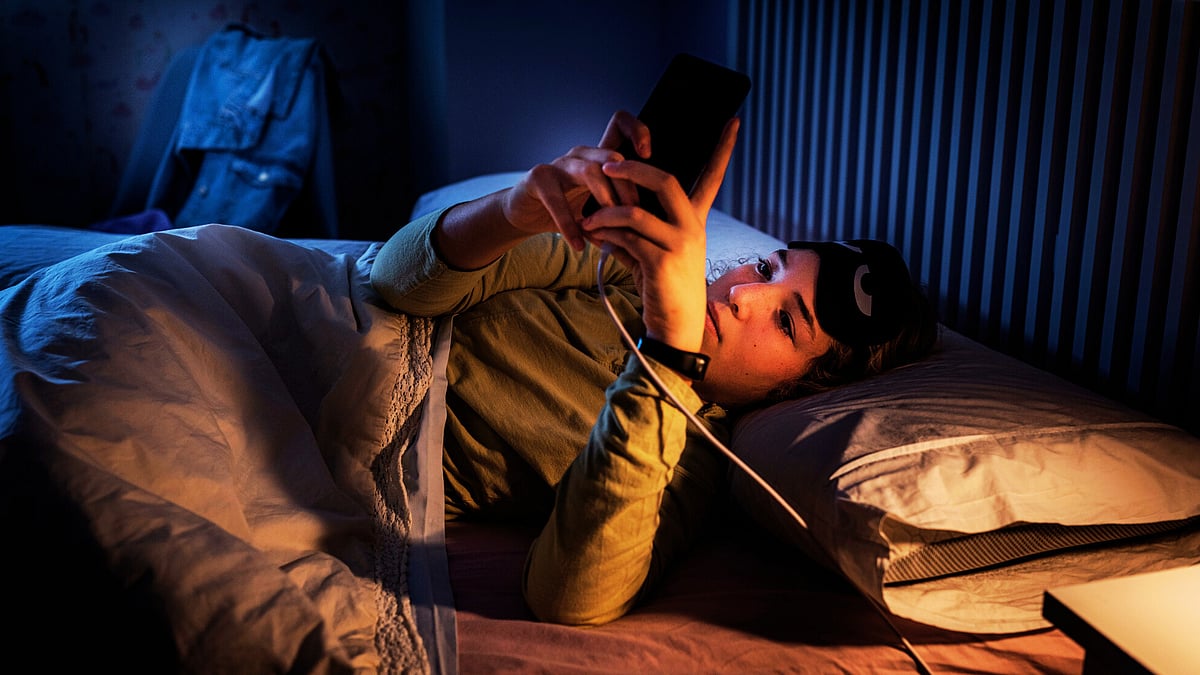
According to Kolkata-based renowned medicine physician Dr Rudrajit Pal, excessive mobile phone use is a major reason behind poor sleep. Looking at mobile phones for long periods after dinner and before bedtime often causes pain in the fingers and neck, which disrupts sleep.
How mobile phones affect sleep and health
When phones are used with hands raised upward, pain can develop in the hands. As this pain increases, falling asleep becomes difficult. For people suffering from spondylitis, prolonged mobile phone use significantly worsens neck pain and can also trigger headaches.
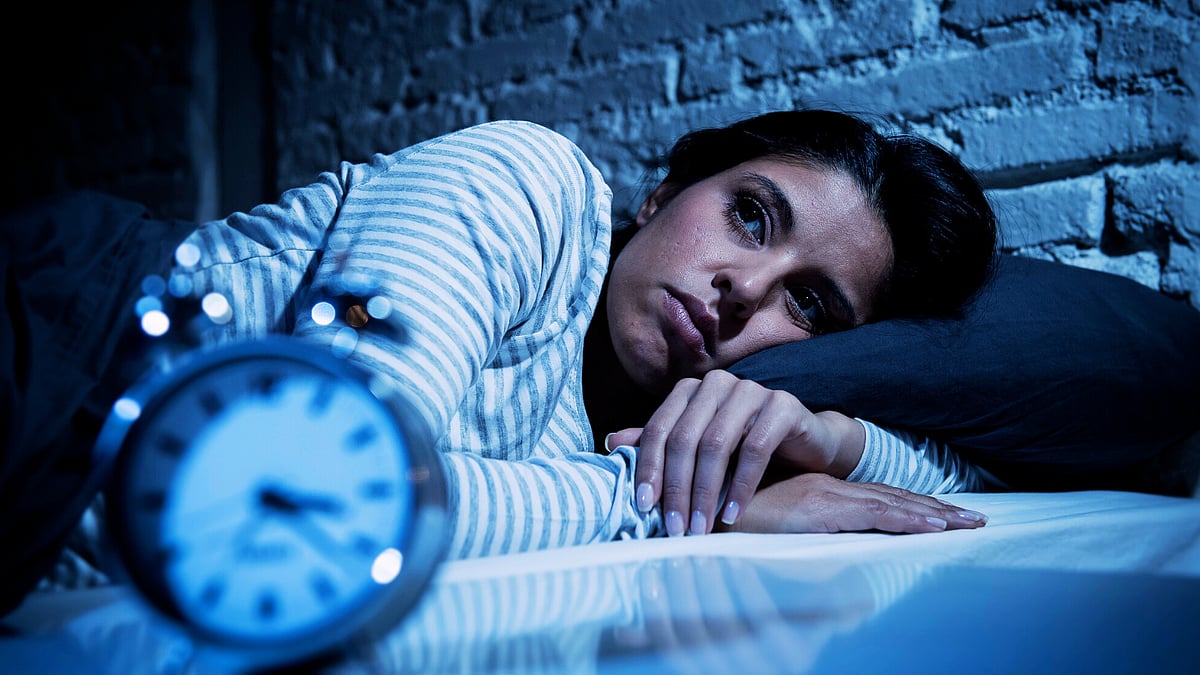
For migraine patients, extended screen exposure can intensify pain. Dr. Rudrajit Pal therefore, advises keeping nighttime screen time as low as possible. He points out that while watching movies or reels, people often lose track of time. Hence, he suggests watching movies during the daytime instead of late at night.

He further states that prolonged exposure to phone light in a dark room interferes with natural sleep and may also harm the eyes. Reading books before bedtime, according to him, is a much healthier habit. Excessive phone use can aggravate insomnia-related problems, making it important to avoid screens at night as much as possible.

Health risks of insomnia
Lack of proper sleep can lead to increased blood pressure. Mood swings and irritability may become frequent, and a noticeable lack of concentration at work can develop. The doctor notes that reduced sleep directly contributes to higher mental stress levels. Adults, therefore, should ensure they get 7–8 hours of sleep every night.

He also warns that prolonged mobile phone use at night can negatively affect memory. Over time, the tendency to forget things may increase.

Follow a fixed sleep routine
Dr Rudrajit Pal advises avoiding phone usage after 10 PM. Keeping the phone aside and reading books is a better alternative. Phones should only be used to answer emergency calls, while replying to text messages at night should be avoided.

In the case of children, parents must take responsibility for controlling screen time. The doctor recommends setting fixed time limits for all activities involving screens, whether listening to music or watching cartoons.