
Starting with bitter and ending with sweets on the last course is a special part of Bengali palate satisfaction. But eating sweets daily is not very good for the body. This habit is especially more dangerous for those who want to lose weight. Yet after finishing a meal, there's always a desire to have something sweet. The stomach is full, but it still feels like having a sweet would be nice. But do you know why this happens? Experts say the root cause of this tendency could be deficiency of some important nutrients, especially lack of protein. What are the reasons behind this craving?
Protein deficiency
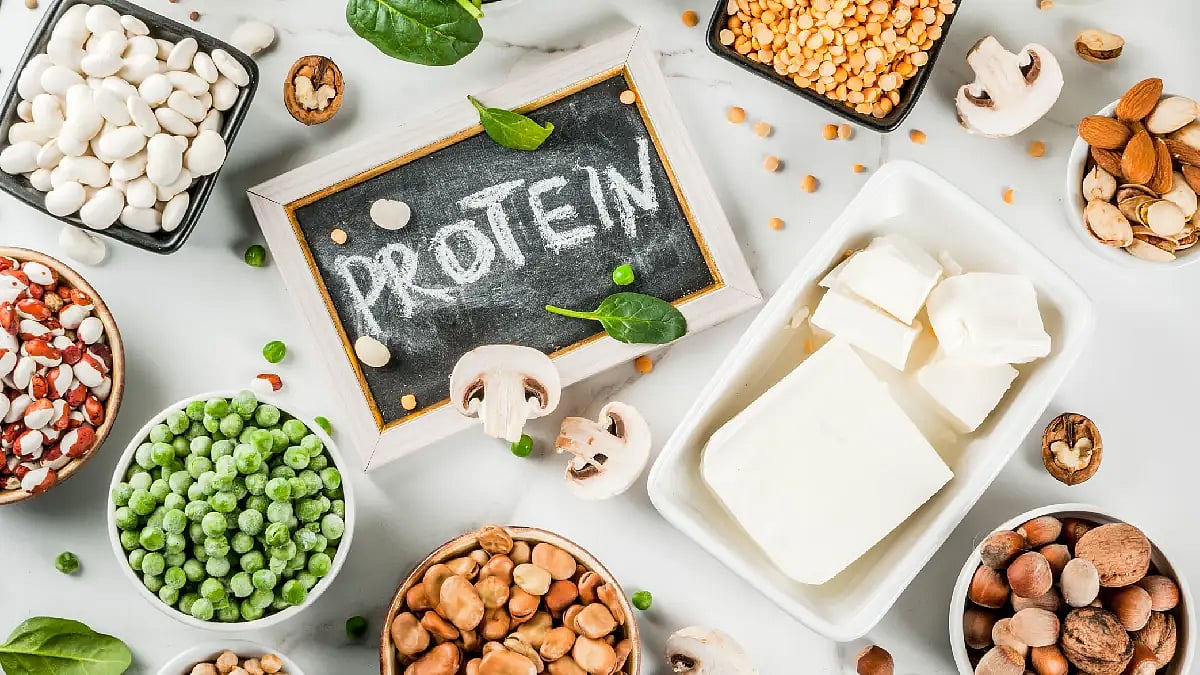 Protein Deficiency
This tendency appears when daily meals don't contain adequate protein. Blood sugar levels then fluctuate rapidly. As a result, the body suddenly starts looking for quick energy sources, and that's why attraction to sweet foods increases.
Protein doesn't just increase muscle strength. It also helps control blood sugar and maintain proper digestion. It simultaneously provides a feeling of fullness. But when protein is low, the body doesn't receive those signals, so it may crave sweet foods to maintain energy balance. However, if meals contain 20-30 grams of protein, this problem doesn't occur.
Also Read | What is puppy yoga? Here's why this wellness trend is gaining popularity
Bacterial influence
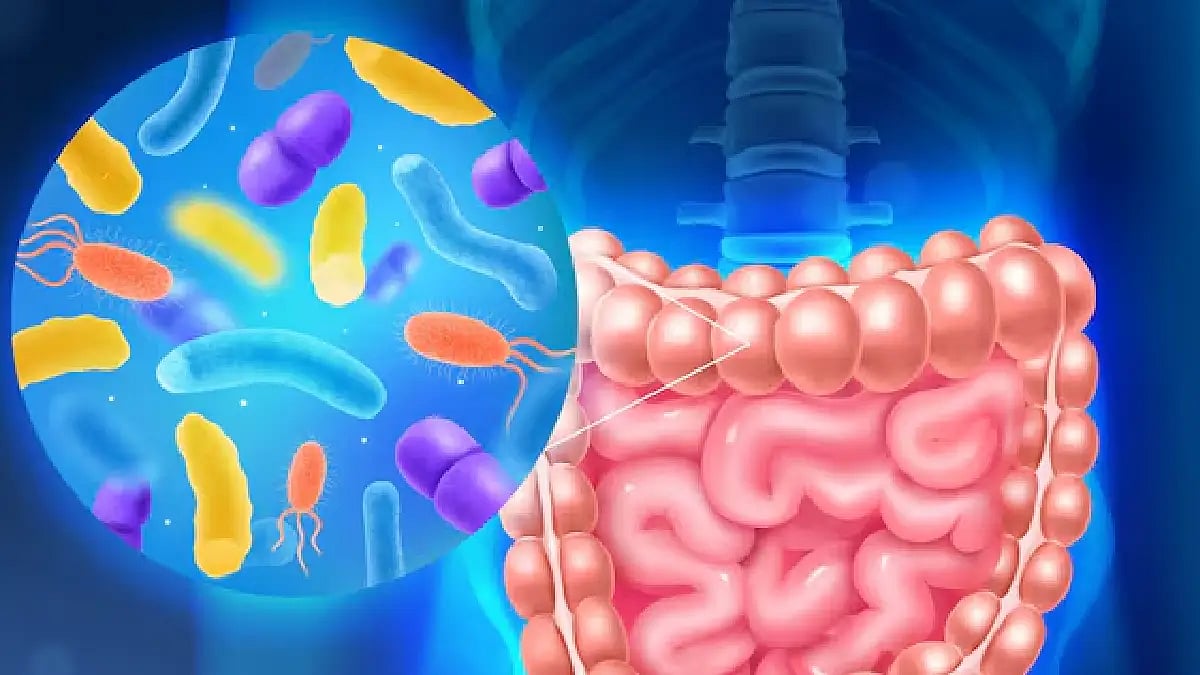 Gut Health
According to experts, the bacteria in our intestines or gut microbiome can also become the cause of your sweet cravings. Some bacteria work in such a way that they increase attraction to sugary foods. This tendency particularly increases when meals are low in protein and high in carbohydrates. As a result, even when you don't want to, the body starts sending signals from within for sweet foods. This creates sweet cravings.
Psychological reasons
 Happiness in Sweets
This can happen not just for physical reasons, but psychological ones too. Many people think of sweets as a 'reward' at the end of meals. This long-term habit becomes a need over time. When there's fatigue, stress, or mental pressure at the end of the day, eating sweets causes the brain to release dopamine and serotonin, which temporarily creates a feeling of well-being. This good feeling becomes a habit and increases sweet cravings.
Vitamin and mineral deficiency
 Vitamins
In some cases, vitamin and mineral deficiencies can also increase the tendency to eat sweets. For example, deficiency of magnesium, chromium, or vitamin B disrupts blood sugar balance, pushing the body toward sugary foods for quick energy.
Also Read | 'Think before you bite': FSSAI warns against eating fruits with stickers on
How to break this habit?
 How to Reduce Sweet Consumption?
To break this habit, it's essential to first correct the balance of food. When daily diet contains adequate amounts of protein, fiber, and healthy fats, blood sugar fluctuations decrease. Over time, sweet cravings naturally reduce. Additionally, eating fruits, vegetables, and fermented foods is beneficial for maintaining good gut health.