In the southern state of Kerala, elections don’t just end with quiet door-to-door persuasion or last-minute press conferences. They culminate in something far more dramatic, Kalashakkottu, a term that loosely translates to the “final burst” or “climactic beat” of campaigning.
What is Kalashakkottu?
Kalashakkottu is a popular political term used in Kerala to describe the final, high-energy phase of election campaigning just before the silence period begins. It marks the last few hours when political parties and candidates take to the streets with rallies, roadshows, slogans, drums, and loudspeakers in a coordinated push to reach voters.
Also Read | Last phase of SIR to kick off across 17 states, 5 UTs after election results
More than just a campaign tactic, Kalashakkottu has evolved into a cultural ritual of sorts, where the intensity peaks and then stops sharply once the deadline hits, reflecting both the competitive spirit of elections and a shared respect for electoral rules.
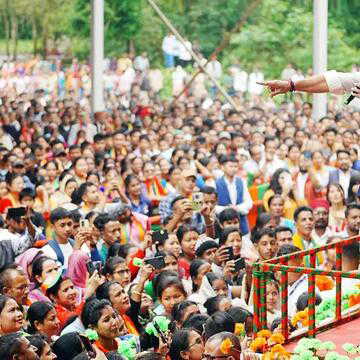
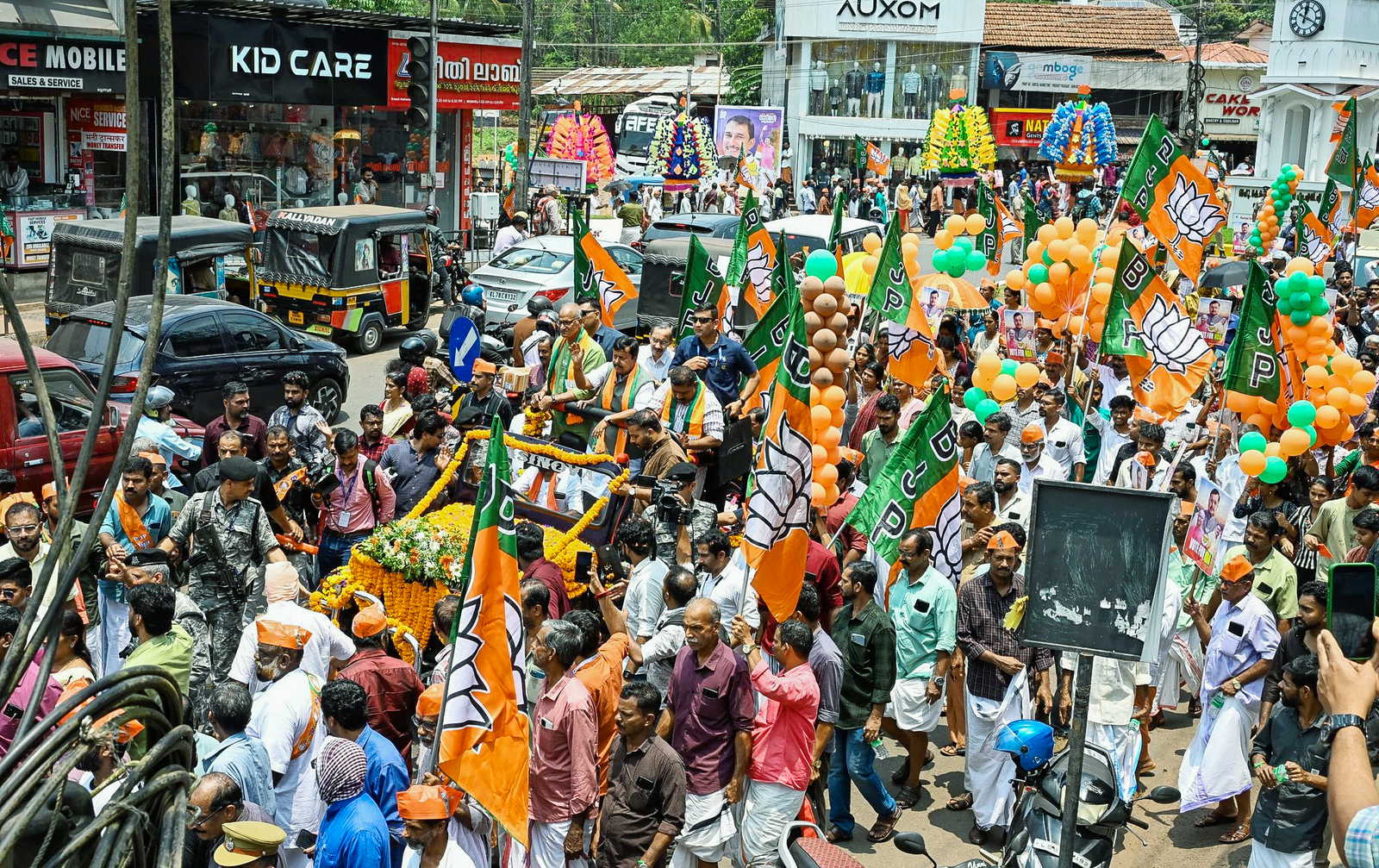 BJP national president Nitin Nabin, along with BJP members, holds a roadshow as part of his election campaign, in Kannur. File image/ANI
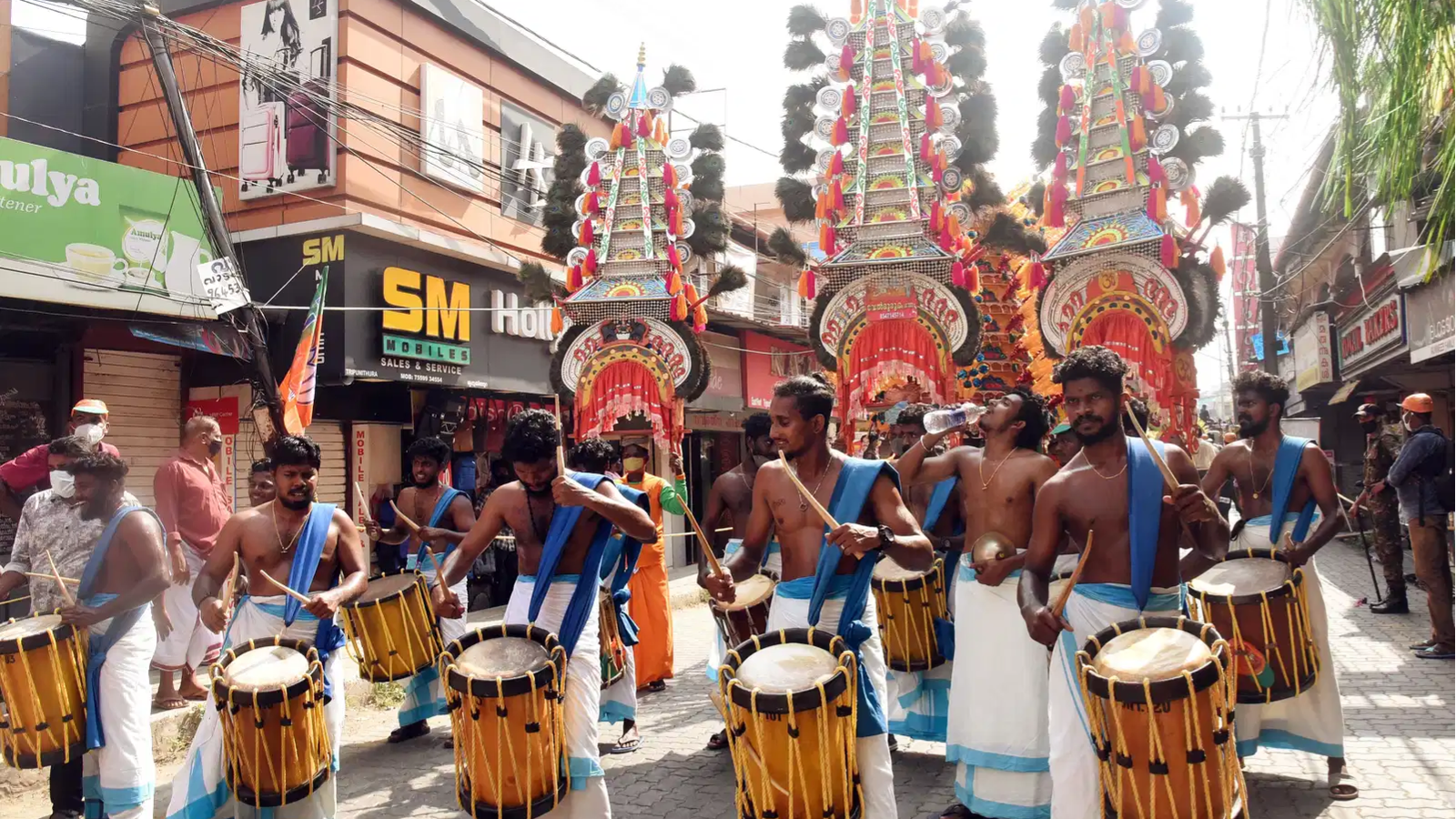
On the last permitted day before the mandatory silence period kicks in, constituencies across Kerala transform into arenas of controlled chaos. Political parties roll out roadshows, bike rallies, drum beats, slogan-shouting cadres, and loudspeaker-mounted vehicles in a synchronised surge of energy. Candidates wave from open jeeps, party flags flood the skyline, and neighbourhoods witness an almost festive convergence of ideologies.
But Kalashakkottu is not merely noise. It is choreography.
Also Read | Centre rolls out regularisation policy for 1,511 unauthorised colonies in Delhi
Unlike the often unstructured last-minute campaigns seen elsewhere, this final push in Kerala is tightly timed. Once the clock strikes the deadline set by the Election Commission, the frenzy stops almost instantly. Loudspeakers fall silent. Streets empty. Campaigning ceases with a discipline that has, over time, become part of the state’s political culture.
This ritualised crescendo serves a dual purpose. It allows parties one last opportunity to mobilise voters while ensuring a clear, respected transition into the silence period. For voters, it becomes a moment of clarity. It is the final exposure before they retreat into reflection.
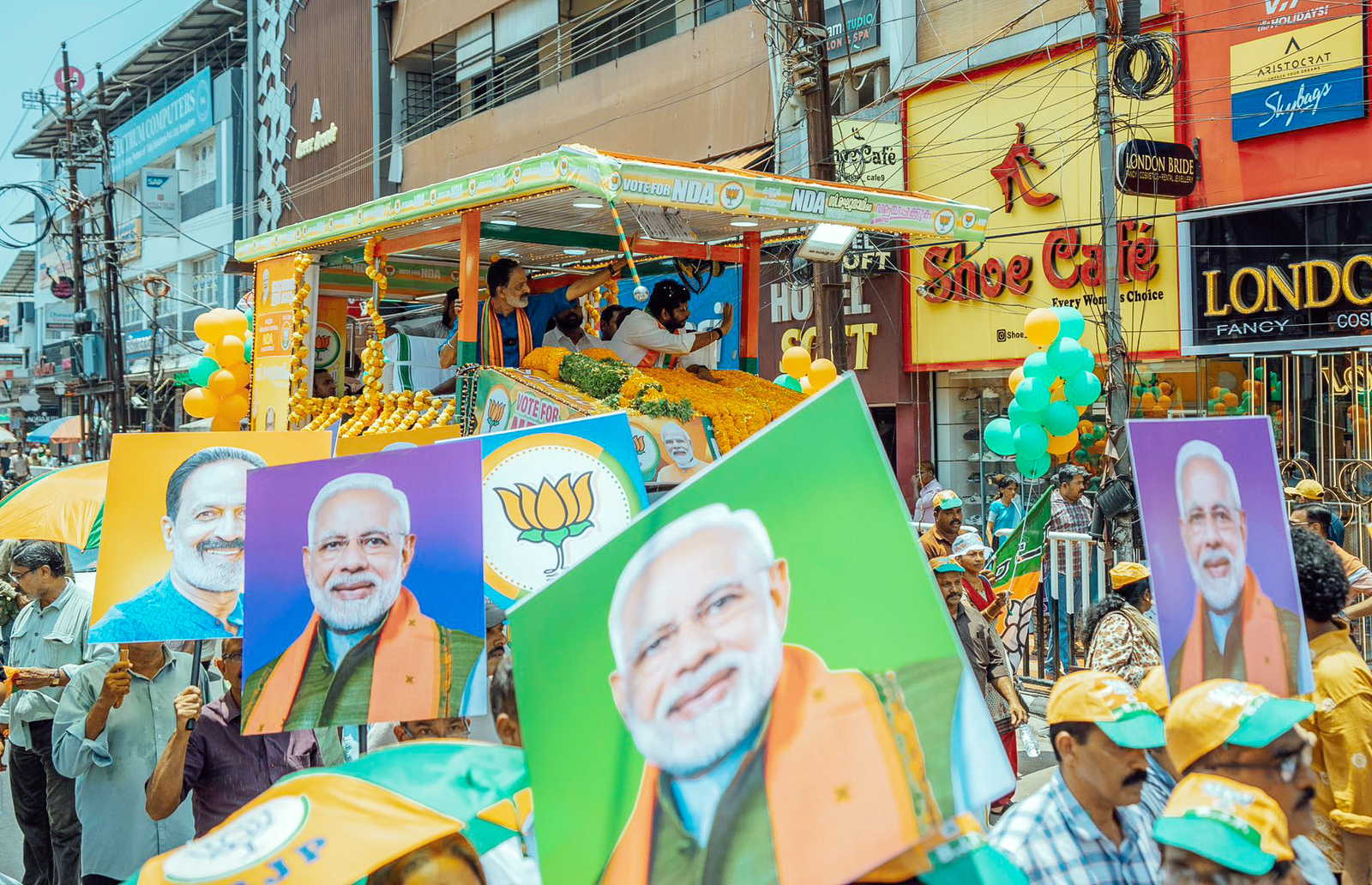 Leaders during the election campaign, in Kannur, Kerala, on Friday. File image/ANI
There is also a sensory memory attached to Kalashakkottu. The colours, the rhythm of slogans, the density of crowds all combine to create a shared political experience. Even those not aligned with any party often step out to watch. In that sense, it blurs the line between participation and observation, making elections feel like a collective civic event rather than a fragmented contest.
A lesson beyond borders
In contrast, states like West Bengal often witness extended, high-decibel campaigning that blurs into the silence period, sometimes testing regulatory boundaries. The absence of a culturally embedded cut off moment means enforcement frequently depends on administrative vigilance rather than collective political discipline.
Kerala’s Kalashakkottu offers a subtle but powerful lesson. When electoral practices evolve into shared traditions, compliance becomes organic.
There is also an emotional dimension. Kalashakkottu creates a sense of closure. Voters experience the campaign’s peak and its end in one sweeping moment. It is theatre, but with purpose. By the time silence sets in, the electorate has seen, heard, and absorbed enough. What follows is not confusion, but contemplation.
For West Bengal and other politically vibrant states, adopting a similar cultural marker, whether in form or spirit, could help streamline the often chaotic final phase of elections. Imagine a clearly defined, widely anticipated final push that all parties respect, followed by an equally respected quiet period. It would not just improve compliance. It could elevate the democratic experience itself.
There are practical advantages too. A structured finale reduces last-minute violations, lowers the burden on polling authorities, and gives security agencies a predictable window to prepare for polling day. It also minimises voter fatigue, a factor often overlooked in long election cycles where constant campaigning can overwhelm rather than inform.
Critics may argue that such practices cannot simply be transplanted. Kerala’s political culture is shaped by decades of high literacy, political awareness, and strong grassroots organisation. Yet traditions do not appear overnight. They are built, reinforced, and normalised over time.
Kalashakkottu, in that sense, is more than an electoral tactic. It reflects how politics and culture intersect to produce something uniquely functional.
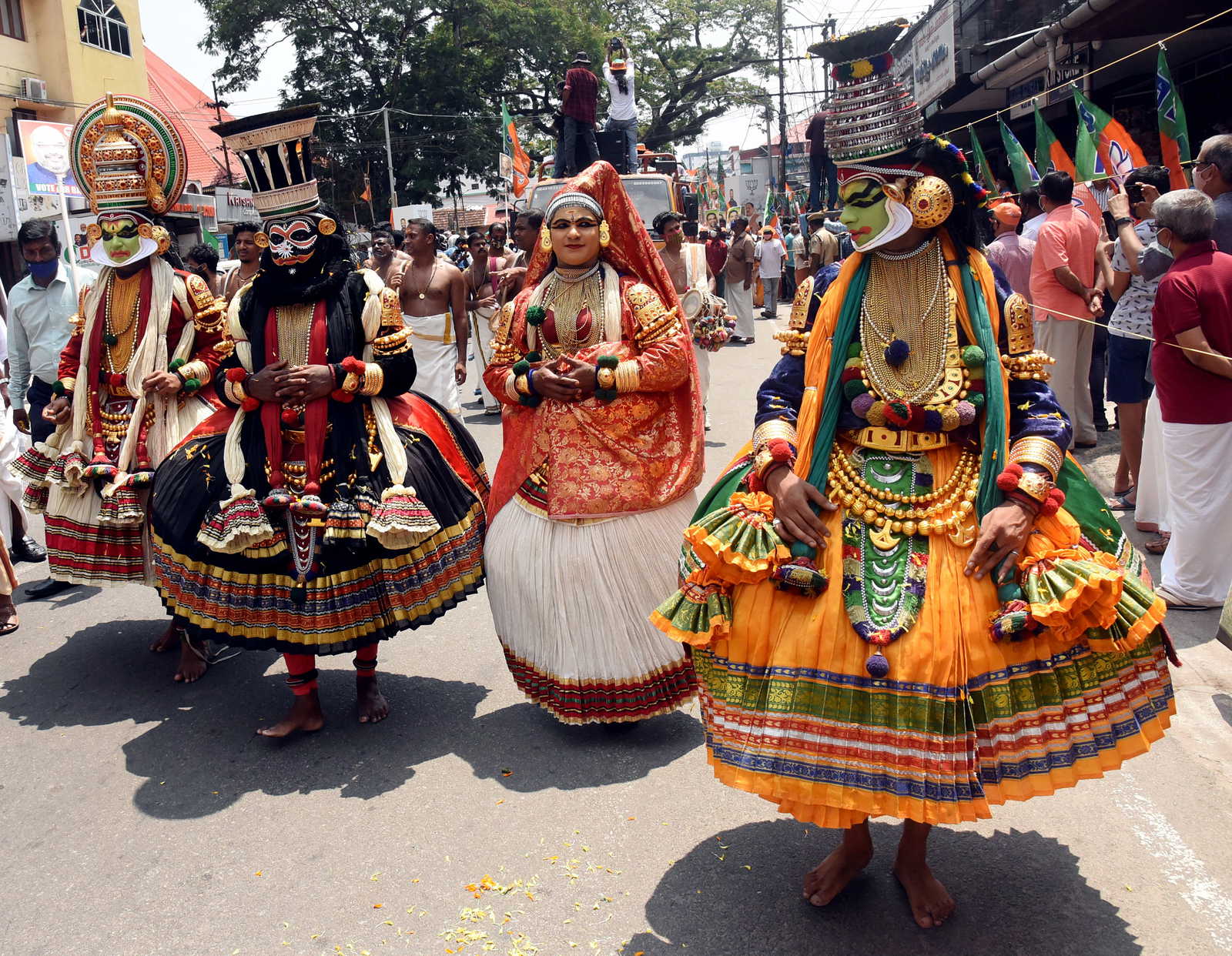 (Representational image) Artists perform during an election campaign rally, in Thripunithura. ANI
As India continues to refine its democratic processes, the answer may not always lie in stricter rules or harsher enforcement. Sometimes, it lies in creating rituals that people choose to respect.
And in Kerala, that ritual has a name, a rhythm, and a deadline.