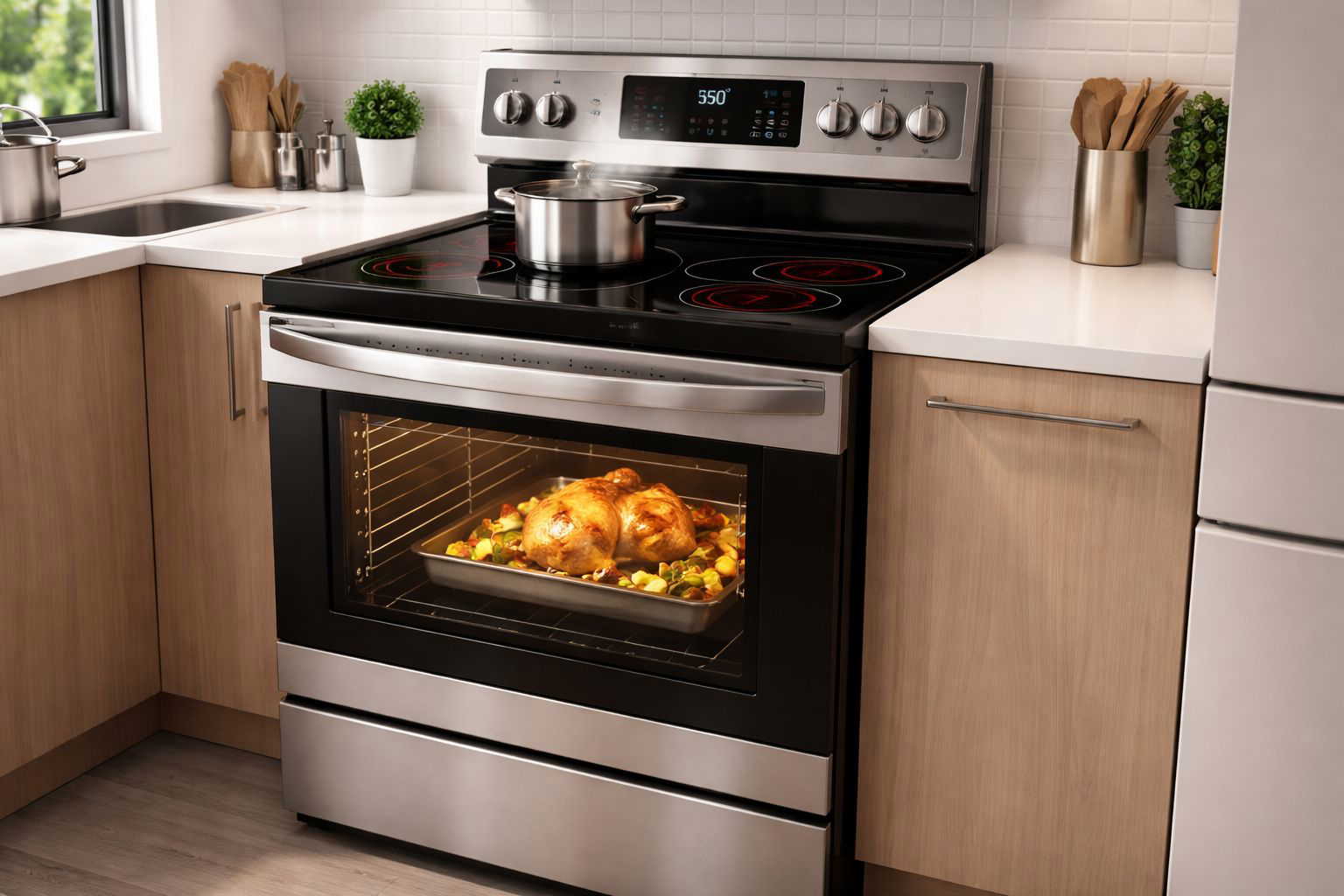
Induction ovens have become common in modern kitchens. They are fast, safe and energy efficient. But many people feel that food cooked on them is less tasty. This belief has sparked debate among home cooks and chefs.
“The issue is not the induction stove itself. The difference comes from how heat is delivered. Induction cooking uses electromagnetic energy to heat the pan directly. There is no open flame. This changes the cooking process,” said a chef from a prominent South Kolkata-based hotel.
ALSO READ | What is childhood dementia? Here's how to detect it early for your child
Faster heating and controlled temperatures can change how flavours develop during cooking
One key reason is browning. Traditional gas stoves provide uneven heat and open flame. This helps in better browning of food. Browning adds flavour, especially in meats and fried dishes. Induction cooktops give even heat, which may reduce this effect if not handled properly.
Another factor is temperature control. Induction stoves heat up very quickly. This can lead to overcooking if not monitored. Some dishes need slow cooking to develop deep flavours. Fast heating may not allow that.
ALSO READ | Who is Valerie Perrine? ‘Superman’ and ‘Slaughterhouse-Five’ star dead at 82
Utensils also play a role. Induction cooking needs specific cookware. If the pan quality is poor, heat distribution can suffer. This can affect how food cooks and tastes.
There is also a psychological factor. Many people are used to cooking on gas. The sight of flame and sound of cooking adds to the experience. Without it, food may feel different even if the taste is similar.
Good cooking techniques can solve most issues. Using the right pan, adjusting heat levels and allowing proper cooking time can improve results. In the end, induction cooking does not reduce taste by itself. It simply needs a change in method. Once adapted, it can produce food that is just as flavourful.