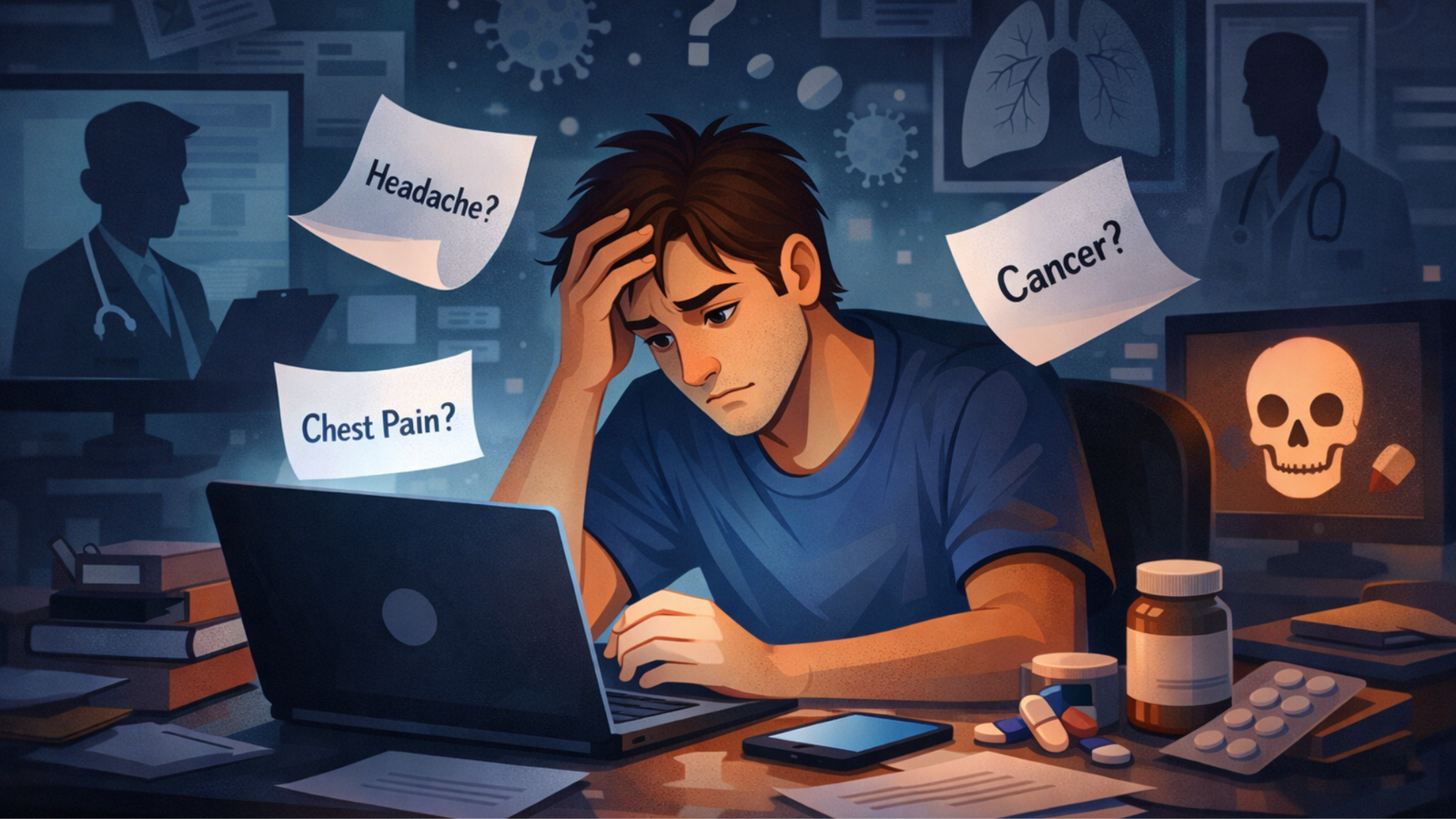
The internet has made health information more accessible than ever. From trivial to severe health conditions, people tend to rely on search engines to obtain information about their health conditions. However, the ease of availability of health-related information on the internet has given rise to a growing health-related issue named IDIOT syndrome.
What is IDIOT syndrome?
IDIOT stands for Internet Derived Information Obstruction Treatment. It refers to situations where excessive reliance on online medical information interferes with proper healthcare. A study published in the National Institutes of Health’s journal Cureus highlights how patients may self-diagnose based on internet searches, sometimes leading them to ignore prescribed treatments or attempt self-medication.
When information becomes overwhelming
The World Health Organization describes this situation as an “infodemic,” where an overload of information during health-related events creates confusion and mistrust. In such cases, people may struggle to distinguish between credible sources and misleading content.
Also Read | What is ‘Icing’ in dating? The confusing trend that’s hurting relationships
IDIOT syndrome: How online searches can trigger health anxiety
Feeling overwhelmed?
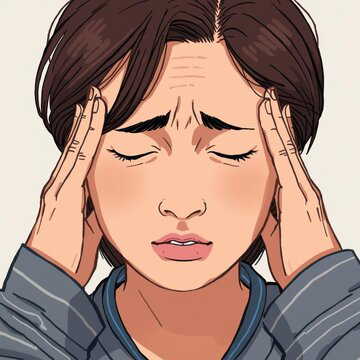
The internet offers endless health information, but constantly looking up symptoms can leave people anxious and uneasy. What starts as a simple search may quickly spiral into worry.
Reading it wrong?
Cyberchondria, often linked to IDIOT syndrome, can make people misread common symptoms as signs of serious illness. This can lead to unnecessary panic and confusion.
Putting off a doctor’s visit?
In some cases, fear driven by online information may cause people to delay seeking medical advice. Early consultation, however, is often key to proper diagnosis and treatment.
Trying to self-treat?
Online searches can also push individuals to change or stop medications without consulting a doctor. This can be risky and may worsen the condition.
The pressure on healthcare professionals
Doctors are also feeling the impact. Patients often come with preconceived notions shaped by online information, which can make consultations more challenging. There is a growing need for doctors to balance medical expertise with clear communication to address these concerns.
“Doctors are becoming sick because of stress, and they need to take care of their health. There is an added demand to acquire communication skills rather than merely technical and professional qualities”, NDTV quoted Dr CN Manjunath, Director, Jayadeva Hospital as saying.
Also Read | Migraine not improving? Key warning signs it’s time to change your treatment
Be informed, not anxious: Managing IDIOT syndrome
Be cautious about what you read
All online sources are not equally reliable. It is important to check where the information is coming from and rely on trusted medical platforms.
Consult a professional
If symptoms persist or cause concern, seeking medical advice remains the safest option. Doctors can assess the situation accurately and guide treatment.
Use the internet wisely
Online resources can help you understand health issues better, but they should support, not replace, professional medical care.