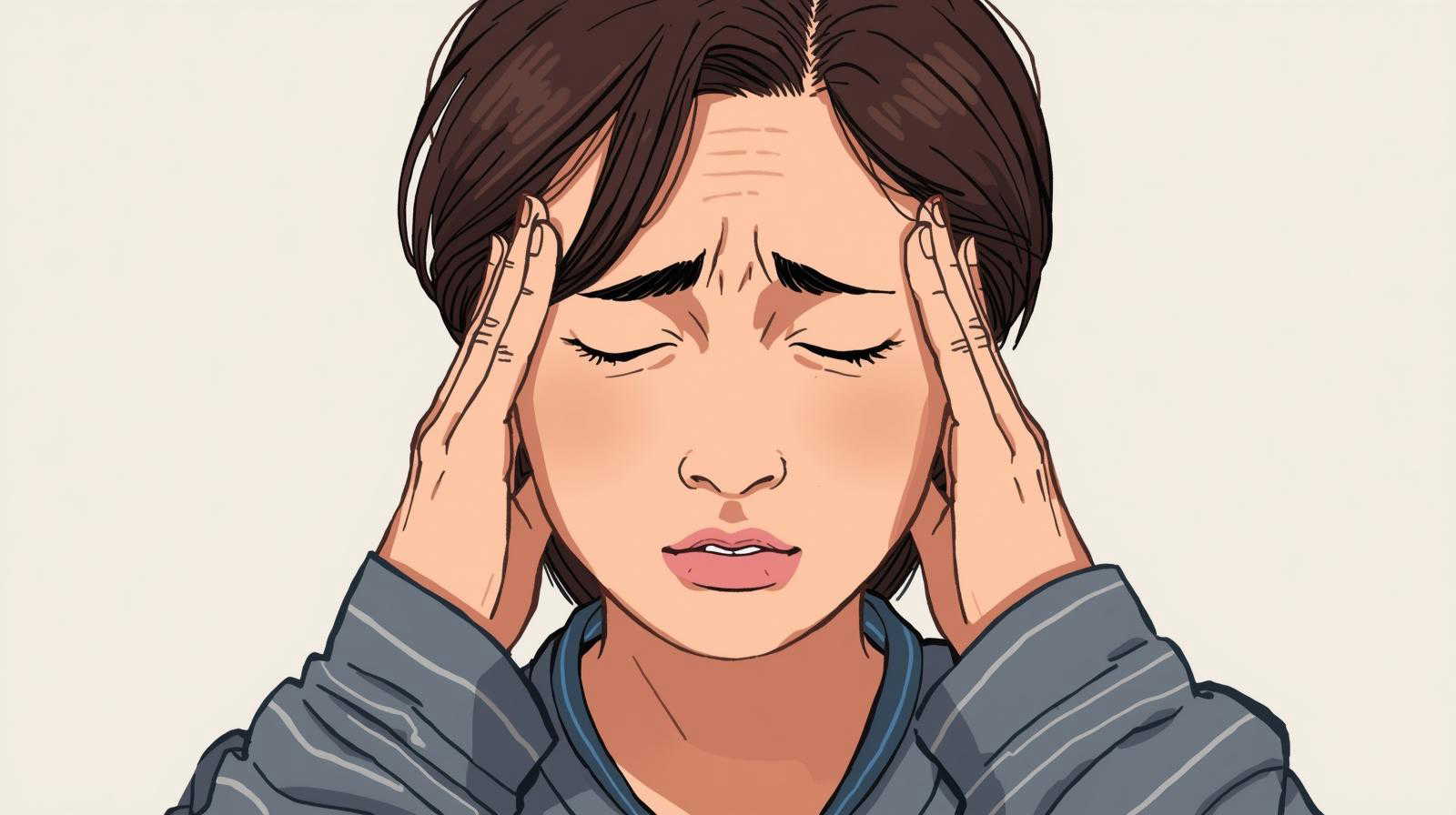
Migraines are not just a common headache; they are a complex neurological problem. Symptoms include severe headache, throbbing pain, nausea, vomiting, muscle pain, numbness, excessive sensitivity to light or sound, and fatigue. To get relief from all these problems, many people rely on old prescription medications. But not all medicines work equally effectively for everyone. Therefore, one must be cautious if the current treatment does not provide relief. But when should you understand that you need to consult your doctor?
Changes in pain pattern
 Headache
Migraine treatment is usually determined according to the patient's symptoms. But if you notice that the pattern or intensity of pain is changing, then you must understand that the current treatment is no longer sufficiently effective. The nature of migraine changes over time and the nervous system may become more sensitive to pain. So if this happens, consult a doctor.
Also Read | Craving sweets after meals? 6 healthy foods that help control sugar urges
Over-dependence on medication
 Taking excessive medication
If you have to take migraine medication repeatedly in a short time, then medication-overuse headache may occur. That is, the medicine itself becomes the cause of headache. This can worsen the problem and reduce the effectiveness of the medicine. In that case, changing medication is necessary.
When medicine takes time to work
 Severe migraine pain
Migraine medication usually works quickly. But if you see that it takes quite a long time for the pain to subside or it is not working at all, then you must understand that this medicine is not suitable for you. Especially during severe migraine attacks, rapid effective treatment is very urgent. However, this should not be done through self-medication, but specialist medical advice must be sought.
Impact on daily life
 Pain during sleep
The main goal of migraine treatment is to reduce pain and restore a normal life rhythm. But if the effect of pain disrupts work, sleep or social life, then the current treatment is not sufficient. If there is difficulty in doing normal daily tasks, you must understand that the medicine is not working properly. Therefore, one must be cautious and consult a doctor if necessary.
Unbearable side effects
 Nausea
If the side effects of medication affect your daily life, then it is also urgent to look for alternatives. For example, be cautious if you experience problems like nausea, fatigue, chest or throat pressure, skin redness or tingling, dizziness, weight changes, sleep problems or mood swings.
Also Read | Tired all day with muscle cramps? Don’t ignore these warning signs
What else should you do?
 Migraine trigger
If you have any of these symptoms, consult with a doctor. Alternatives may include preventive medication. Lifestyle changes are extremely necessary. To stay well, stress must be reduced and there can be no compromise with sleep. Besides, you must identify what causes trigger your migraine and avoid them.
Treatment response is different for each person, so it is important to choose personally suitable treatment. Remember, migraine will not control your life – if you take the right steps at the right time, you can get relief.