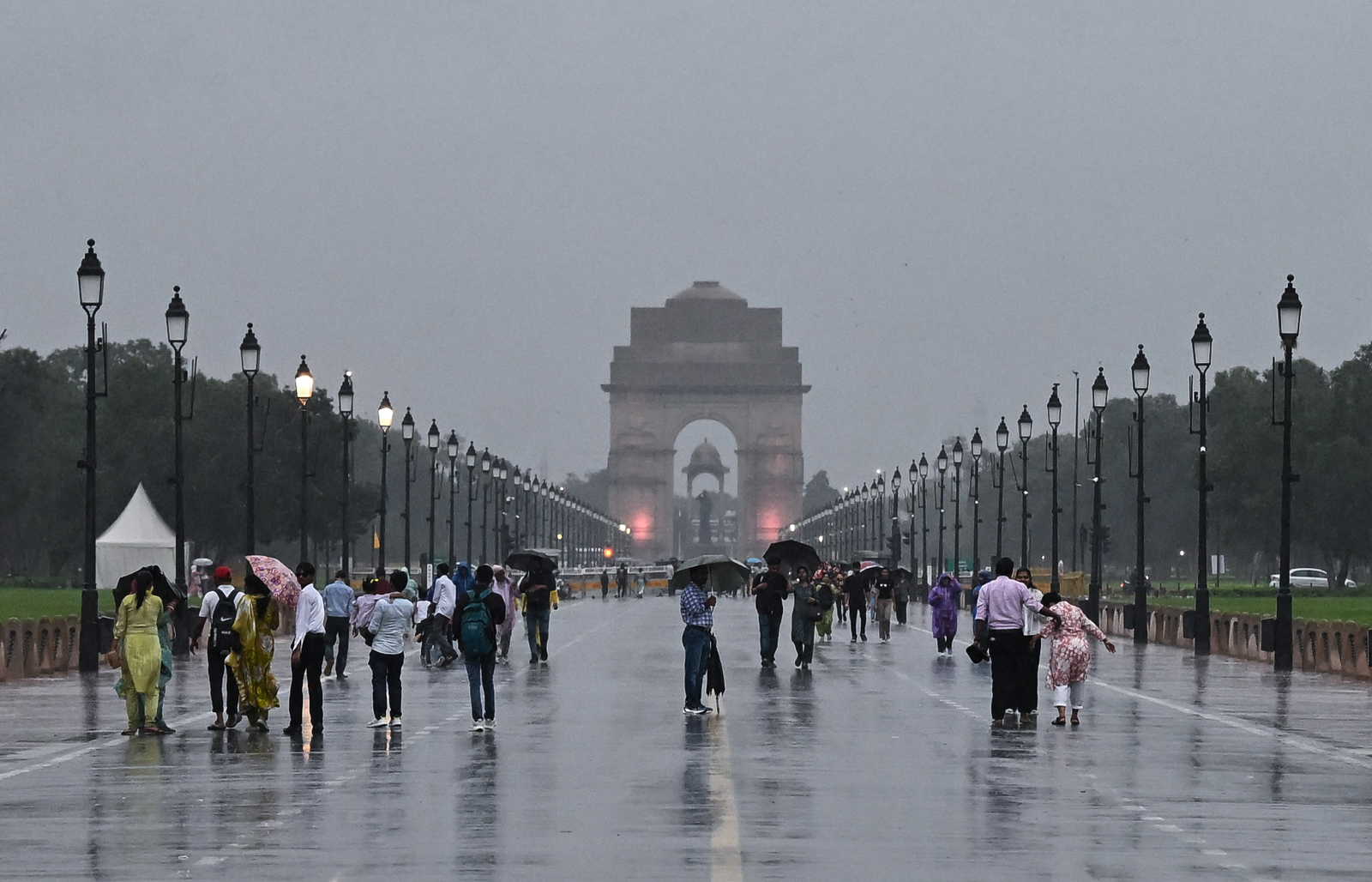
After an early and rapid advance across large parts of the country, the southwest monsoon has lost momentum, leaving several regions grappling with significant rainfall deficits and renewed concerns over agriculture, water supplies and inflation. As weather systems weaken and dry conditions persist across parts of central, western and southern India, comparisons with some of the country's worst monsoon years have begun to emerge.
According to recent rainfall data, India was facing a deficit of nearly 40 per cent as of June 18 after monsoon activity slowed due to a combination of unfavourable weather conditions, including weak moisture transport, the absence of low-pressure systems over the Bay of Bengal, subdued Madden-Julian Oscillation activity and emerging El Niño conditions in the Pacific.
While the situation has raised concerns, meteorologists caution that a weak June alone does not necessarily indicate a drought year.
Why June matters, but does not decide the season
The June-September southwest monsoon provides around three-fourths of the annual rainfall in India and is extremely vital for agriculture. June is critical since it represents the start of kharif planting of crops like rice, soybean, cotton, corn and pulses.
Also Read | Feels unreal, Indian woman compares Dubai’s spotless streets to disney world
Yet, climatologists have indicated that July and August provide a much greater proportion of the seasonal rains. Typically, heavy rainfall in these months has been known to help wipe away any early deficiencies and ensure growth of crops in spite of a poor beginning.
The India Meteorological Department categorizes seasonal rainfall between 96 to 104 percent of the Long Period Average (LPA) as normal and rainfall less than 90 percent of the LPA as deficient. Yet, climate experts say that the distribution of the rainfalls is just as significant as the national rainfall figure.
Lessons from India's worst monsoon years
India's history offers several examples of how prolonged rainfall deficits can affect agriculture and the economy. The drought of 1918 remains one of the worst on record, with climate studies estimating that nearly 40 per cent of the country experienced extreme drought conditions. Crop failures and food shortages triggered widespread hardship during the final years of British rule.
The 1972 drought, often used as a benchmark for severe monsoon failure, saw seasonal rainfall fall roughly 24 per cent below normal, causing major agricultural losses across western and central India.
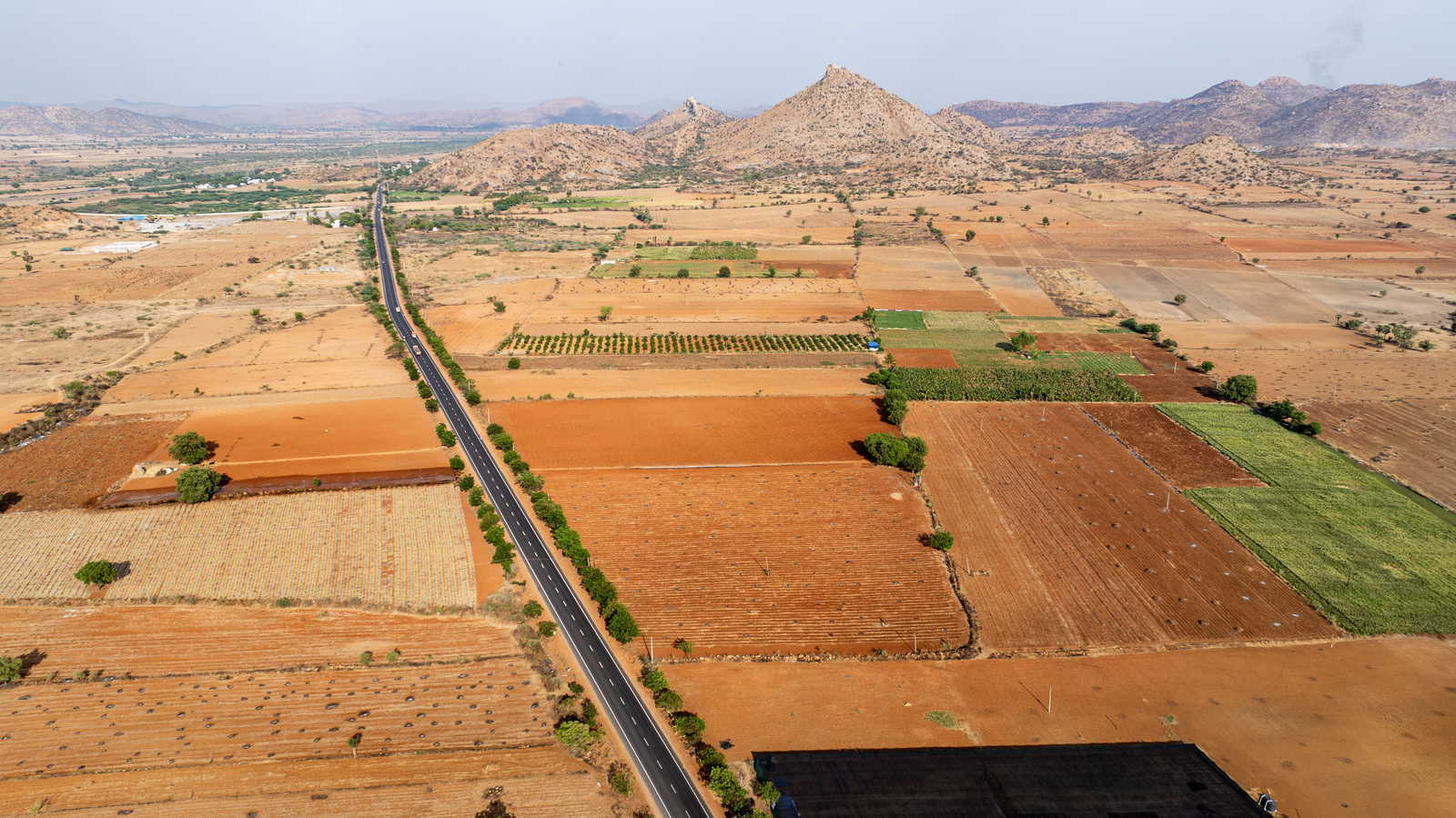 Pexels
 In 1987, seasonal rainfall ended nearly 19 per cent below normal, affecting almost 60 per cent of India's cropped area and exposing more than 85 million people to severe drought conditions. Researchers continue to describe it as one of the most widespread droughts of the twentieth century.
The 2002 monsoon delivered another major setback, with rainfall ending around 19 per cent below normal. A collapse in July rainfall severely affected reservoir levels and kharif production, leading to a contraction in agricultural growth.
Similarly, the 2009 monsoon finished approximately 22 per cent below normal, affecting rice, sugarcane and pulses while contributing to rising food inflation across the country.
Why 2026 is different?
Despite similarities with past weak monsoon years, experts stress that it is still too early to classify 2026 alongside major drought seasons.
Fresh low-pressure systems over the Bay of Bengal during late June and July could help revive monsoon activity and reduce the current deficit. Historically, such systems have often played a critical role in accelerating monsoon progress after temporary pauses.
Another factor working in India's favour is improved resilience. Irrigation coverage has expanded significantly over the past decade, while reservoir storage levels entering the season were healthier than during several previous drought years. These developments could help cushion the impact of below-normal rainfall.
The real concern is timing
According to agricultural analysts, it is not the amount of rainfall but its timing that may become the decisive factor in the future. Long drought periods at the stage of seeding may require crop reseeding for farmers, raising their costs and lowering productivity despite the improved conditions of precipitation further on in the season.
Also Read | PM Modi in Bengal: PM-Kisan funds, development projects and Yoga Day events on agenda
The economists are closely watching the current situation because weak monsoon performance can affect the food production, reservoir level, rural incomes and inflation trends in the coming months.
For the time being, the next two weeks are going to be decisive. The recovery during late June-July will bring the monsoon season back on track, whereas its prolongation during the key months will result in growing worries about agriculture, water resources and food prices.
FAQs
1. What rainfall deficit has India observed up till now in the Monsoon 2026?
By June 18, India had observed almost a 40 per cent rainfall deficit owing to monsoon performance weakening in various areas.
2. Is poor performance in June an indicator of drought?
No. Meteorologists say July and August contribute a larger share of seasonal rainfall, and strong rainfall during those months can still help erase early deficits and support agricultural activity