Menopause is an extremely natural phase in any woman's life cycle. However, while the matter is common, this period is anything but ordinary. One has to face mood swings, depression, hormonal imbalances in the body, weight gain, decreased bone density, and various other problems. Menopause typically occurs between the ages of 45 and 55. During this time, estrogen hormone levels in the body decrease. As a result, various physical and mental changes may appear. However, with proper dietary habits and some changes in lifestyle, it is possible to make this period much easier. Here are those tips.
What foods should be avoided during menopause?
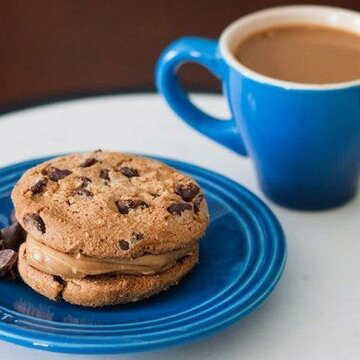
Excessive sugar and sweet foods
Chocolate, cake, pastry, soft drinks, etc., contain excessive sugar. These suddenly increase blood sugar levels, which can increase mood swings and fatigue. Additionally, the risk of weight gain also increases.
Excessive salt
Chips, processed foods, pickles, or packaged snacks contain high amounts of sodium. This increases water retention in the body and creates the risk of high blood pressure. The possibility of heart disease also increases during menopause, so it is better to consume less salt during this time to stay healthy.
Caffeinated beverages
Excessive tea, coffee, or energy drinks can increase sleep problems and hot flashes. When sleep is disrupted at night, mental stress increases further. Therefore, caffeine should be consumed in limited amounts during the day.
Also Read | 9–5 lifestyle and weight gain? Tamanna Bhatia’s trainer shares what to eat at work
Excessively spicy and hot foods
Spicy foods can increase body temperature and intensify hot flashes. Those who have this problem more often should eat less spicy food.
Alcohol
Alcohol affects hormonal balance and increases sleep problems. It also has a negative impact on bone health.
What to eat?
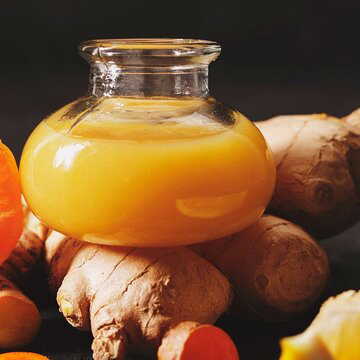
During menopause, one should eat more foods rich in calcium and vitamin D (such as milk, yoghurt, and small fish), protein (such as lentils, nuts, eggs), omega-3 fatty acids (such as fish, flax seeds), and fibre-rich foods (such as vegetables, fruits, oats). Soybean and soy-based foods contain phytoestrogens, which can help maintain hormonal balance.
What needs to be kept in mind?
Regular exercise, adequate sleep, and stress management are also extremely important. Remember, menopause is not a disease, but rather a natural change in life. Conscious dietary habits and healthy living are the key to staying healthy during this time.
Also Read | 'Food doesn’t just sustain my work anymore. It sustains my peace’: Vikas Khanna on healing through rhythm
FAQ.
Is occasional smoking or drinking harmful during menopause?
Even occasional smoking is harmful. It further reduces estrogen hormone levels and increases the risk of early onset of menopause. However, while many do not consider small amounts of alcohol harmful, it can cause problems during menopause.
What symptoms indicate menopause?
Menopause is generally considered when menstruation stops for 12 consecutive months. However, some symptoms appear during the perimenopause phase before that—
Such as irregular menstruation, hot flashes (sudden body heating), excessive night sweats, sleep problems, mood swings, irritability, vaginal dryness, decreased sexual interest, bone or joint pain, sudden weight gain, especially in the abdominal area. Some women may experience memory loss-like feelings or concentration problems.
Is pregnancy possible after menopause?
Once menopause is complete, pregnancy is naturally not possible because ovulation stops. However, there is a possibility of pregnancy during the perimenopause period.