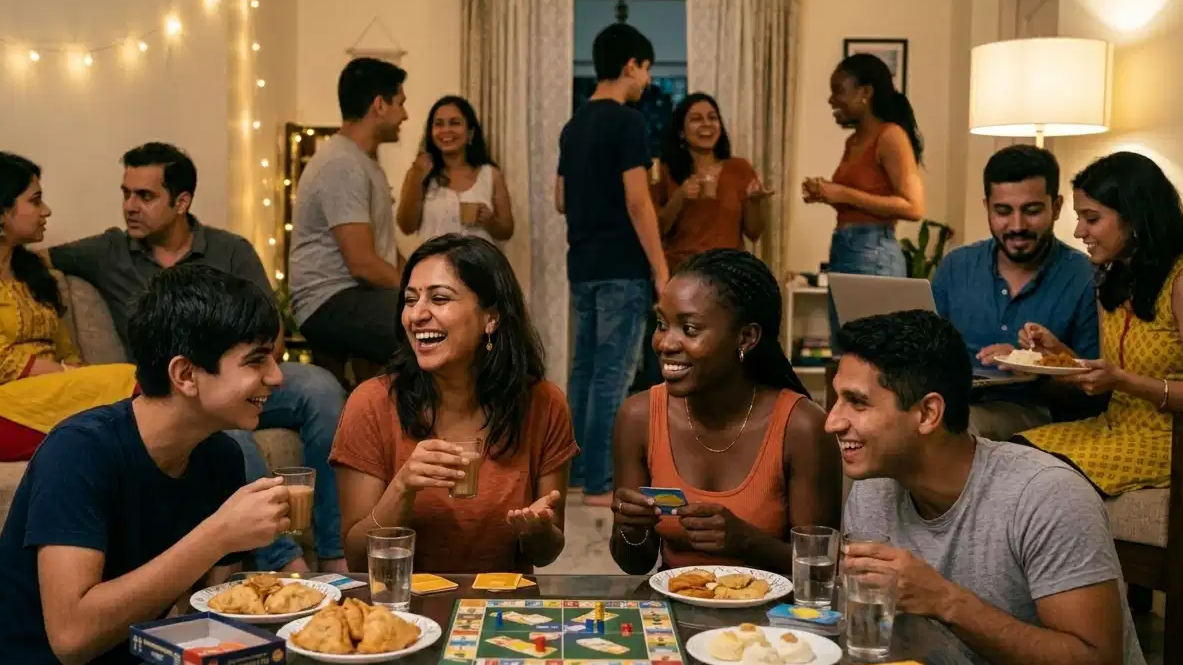
The dating scene in 2026 looks very different from the swipe-heavy culture that defined the past decade.
Based on a recent report produced by PeopleWin after studying the findings of various surveys conducted by Tinder, Hinge, Forbes, BMO, Psychology Today, and other similar research sources, the trend among singles in the United States is to go away from costly dates and online algorithm-matching services towards social get-togethers and more meaningful relationships.
Social parties, dinners in backyards and informal gatherings are becoming increasingly popular ways for singles to meet their future partners. The change is said to be prompted by three key reasons including high cost of dating, frustration with dating apps, and a need for more emotional connection.
Also Read | Hypertension no longer an old-age disease, doctors warn after Kolkata findings
Dating has become expensive
One of the clearest reasons behind the shift is financial pressure. Data from BMO’s Real Financial Progress Index found that the average all-in cost of a date in early 2026 reached $189, including transport, grooming and the outing itself. That marked a 12.5 per cent increase from 2025.
Millennials reportedly spend an average of $252 per date, while Gen Z spends around $205. Americans who dated throughout 2025 and early 2026 spent an average of $2,323 annually on dating, according to the report. The rising costs appear to be changing behaviour.
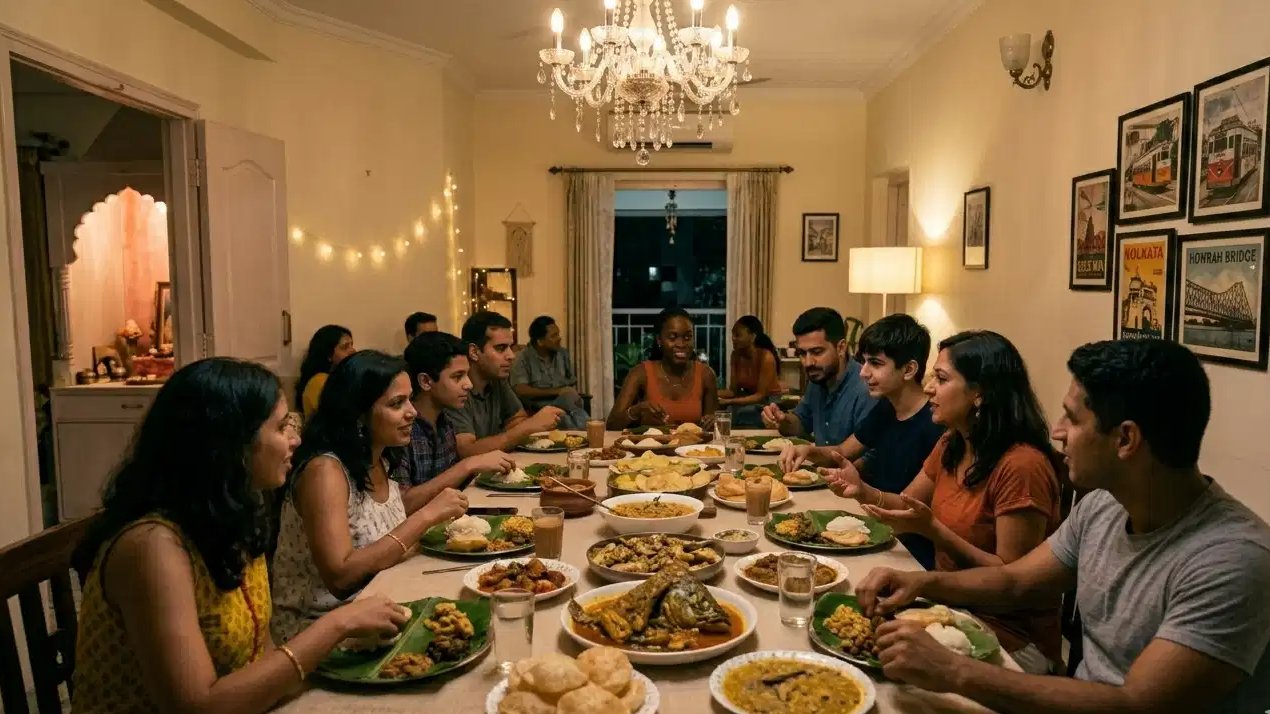 Dating in 2026 is cheaper, slower and far more intentional AI Generated
 Nearly half of Americans surveyed said they had either gone on fewer dates or chosen cheaper activities because of financial concerns. Coffee dates, hikes, picnics and home-cooked meals are increasingly replacing traditional dinner outings.
Dating app fatigue is pushing singles offline
Frustration with dating apps is another issue that seems to be gaining momentum, especially among younger users. According to the Forbes survey quoted in the report, 79 per cent of Gen Z users reported experiencing dating app burnout. They complained about the repetitiveness of the conversations, the lack of connection, and emotional exhaustion.
The number of searches for “matchmaker” in the US increased almost two-fold from January 2025 to January 2026, according to Global Dating Insights referenced in the report.
Instead of giving up on dating altogether, many singles seem to be rejecting curated and algorithm-driven experiences, experts think. Tinder called the new phenomenon “Friendfluence” in their 2025 Year in Swipe report, referring to the return to meeting romantic partners via acquaintances, friends, and events in real life.
According to Psychology Today, the group of friends can be seen as a natural screening system that helps to build trust before any romantic interaction takes place.
Slow dating and emotional honesty are taking over
However, apart from the places where singles can meet, the philosophy behind dating seems to be evolving as well. A lot of single individuals have started practicing “slow dating,” which entails having a few quality interactions rather than rushing into fast-paced hookups or numerous app matches.
According to the research conducted by Hinge, 84 per cent of Generation Z users desired to build stronger emotional connections; however, at the same time, a number of them were reluctant to start emotionally vulnerable talks early on.
The traits like emotional intelligence, honesty, communication skills, and fiscal responsibility have been gaining popularity among young daters, according to dating specialists. Moreover, Tinder predicted that 2026 will be the year of “no mixed signals.”
Also Read | What is spiritual bliss? The hidden state beyond temporary happiness
While dating apps continue to dominate how many people initially meet, the broader trend suggests modern romance is slowly shifting back toward in-person chemistry, slower connections and more authentic social interaction.
For a generation exhausted by swiping, curated profiles and expensive first dates, the future of dating may look surprisingly familiar, meeting someone naturally at a house party and simply having a real conversation.