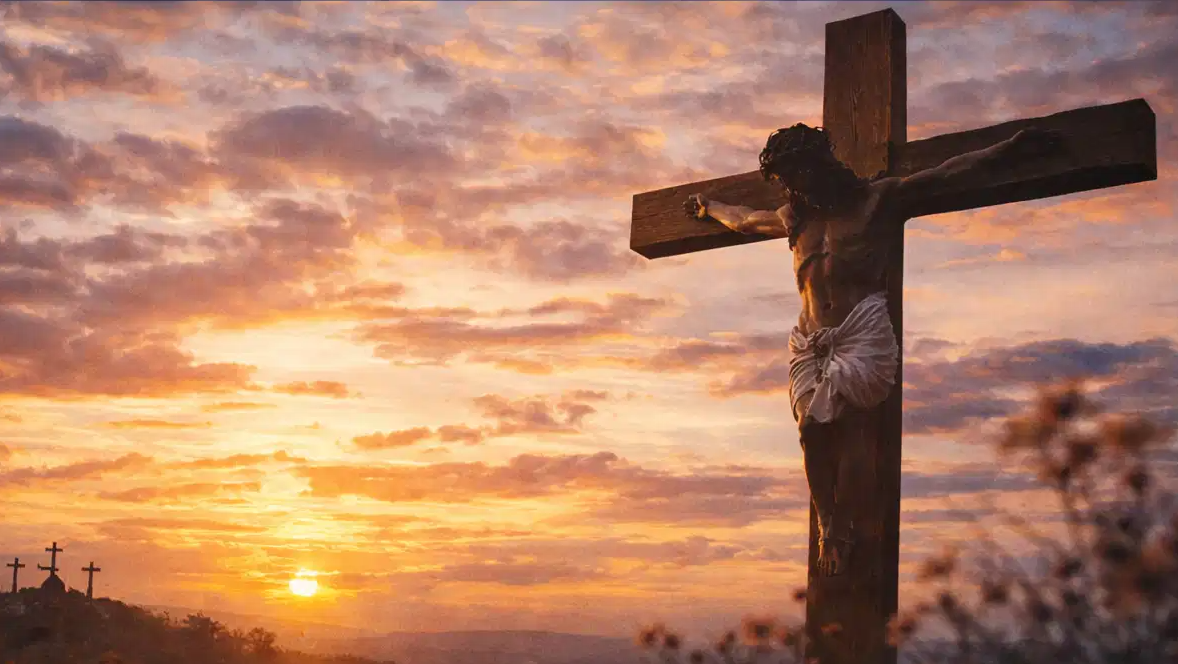
Observed on the 3rd of April this year, Good Friday is one of the most somber events in the Christian calendar, commemorating the crucifixion of Jesus Christ. Ironically, this somber occasion is referred to as ‘Good’ Friday, a name that sparks a lot of curiosity.
The name ‘Good’ Friday is a reflection of the spiritual significance of the day.
Why is it called ‘Good’?
At first glance, the term “Good” may seem contradictory, as the day marks the execution of Jesus Christ. However, it is believed that Jesus was crucified for the salvation of humankind.
Also Read | What is ‘RR’ on your boarding pass? The meaning behind the code explained
According to Christian theology, Jesus’ death is believed to have paved the way for salvation and eternal life, thus making it a “good” day.
It is also argued by other historians that the word could have been derived from “God’s Friday” or “Holy Friday,” both of which underscore the holiness of the day.
Crucifixion and its significance
Good Friday is a day of remembrance of Jesus Christ’s crucifixion at Calvary, as it is an essential part of Christian theology. Although it is a day of sorrow, it is also a day of reflection.
The concept of atonement, or Jesus’ agony expiating mankind of its sins, is the theological foundation of Good Friday.
Also Read | From Google searches to apps—here's how you can erase your digital trail in minutes
Church ceremonies on Good Friday are usually sombre affairs that concentrate on prayer, fasting, and remembrance. Christians observe a day of silence to reflect on the concept of atonement before Easter Sunday, a day to celebrate Jesus Christ’s resurrection.
The day holds a double meaning as it serves as a day to lament Jesus Christ’s crucifixion while celebrating the hope that comes with it.