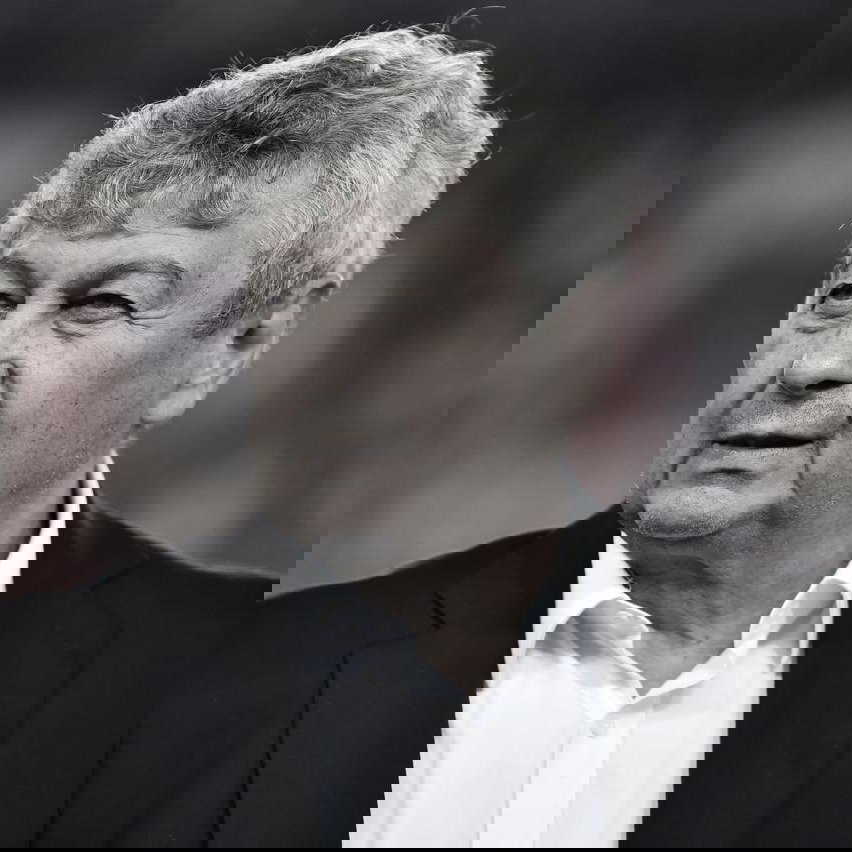
Mircea Lucescu, one of Romania’s most influential football personalities, has passed away at the age of 80 following a reported heart attack. His death was confirmed by Bucharest University Emergency Hospital, where he had been admitted days earlier. Lucescu was widely regarded as a national icon, having captained the Romanian national football team during the 1970 FIFA World Cup and later guiding the country as a coach. He played a crucial role in helping Romania qualify for the 1984 European Championship, marking a major milestone in the nation’s footballing history. His contributions shaped generations of players and fans alike.
Coaching legacy across Europe and beyond
Lucescu’s managerial career spanned nearly five decades, making him one of the most enduring figures in global football. His most successful stint came with Shakhtar Donetsk, where he spent 12 years building a dominant side that became a regular in European competitions.
Under his leadership, the club won the 2009 UEFA Cup, cementing his reputation as a top-level coach. Backed by owner Rinat Akhmetov, Lucescu developed a squad featuring emerging Brazilian talent, transforming Shakhtar into a powerhouse. He also managed top clubs such as Inter Milan, Brescia, and Zenit St. Petersburg, leaving a lasting imprint across multiple leagues.
Also Read | Floodlight mandate throws Rajasthan United into turmoil mid-season
Final years marked by dedication to national team
Even in his later years, Lucescu remained deeply involved in the game. He returned to coach Romania in 2024, nearly four decades after his first stint, showcasing his enduring passion. His final match came in a World Cup qualifying playoff defeat to Turkey, just days before he stepped down due to health issues.
Also Read | India set for Unity Cup 2026 participation in London against Jamaica, Nigeria, Zimbabwe
Lucescu also coached the Turkish national football team, further underlining his international influence. In Italy, he is fondly remembered at Brescia, where he worked with legends like Gheorghe Hagi. His passing marks the end of an era, but his legacy as a player, mentor, and pioneer in European football will endure for generations.