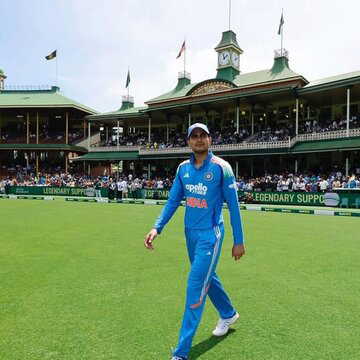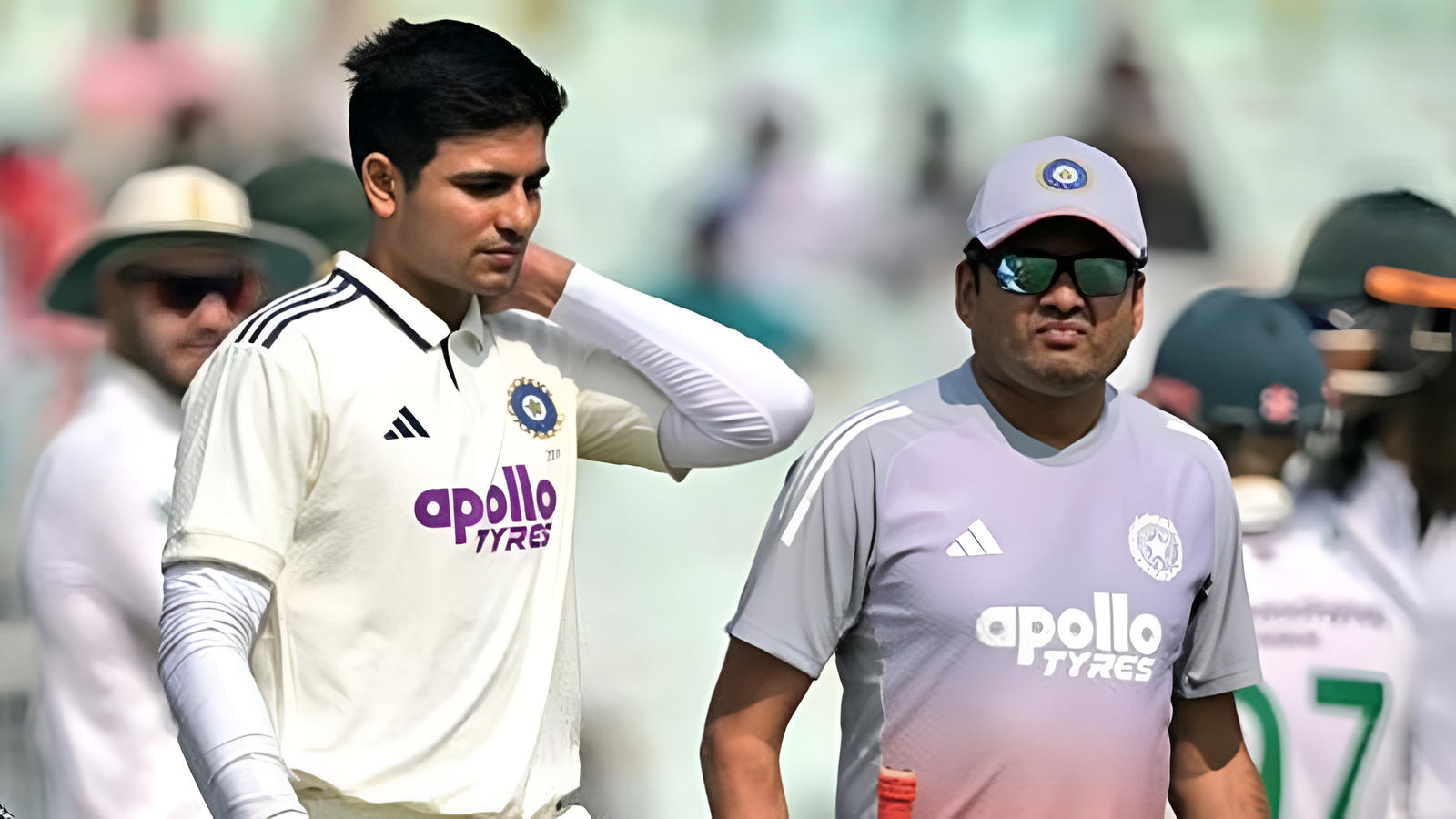
India’s Test and ODI captain Shubman Gill has once again found himself battling a recurring neck issue, forcing the Board of Control for Cricket in India to reassess how it manages one of its most valuable assets. With a packed calendar spanning international tours, domestic cricket, and IPL commitments, Gill’s physical strain is now becoming a serious concern.
Continuous cricket is taking a toll
Since early 2025, Gill has barely had any downtime. After completing IPL duties with the Gujarat Titans, he transitioned straight into India’s England tour, followed by a home Test series. It was during this phase that his neck trouble first surfaced.
The injury proved severe enough to rule him out of the Test series against the South Africa national cricket team, a series India eventually lost 2-0. Gill later revealed the seriousness of the condition, explaining that a swollen neck disc was compressing nerves, leading to spasms and forcing him into hospital care. His recovery took nearly three weeks—an early warning sign of the toll his workload was taking.
Neck injury resurfaces in IPL 2026
After returning to action across formats, Gill resumed leadership duties for the Gujarat Titans in IPL 2026. However, concerns resurfaced almost immediately.
Also Read । Cameron Green set to resume bowling, big boost for KKR ahead of LSG clash
During the April 4 clash against the Rajasthan Royals, Gill suffered a similar neck issue, which he had faced during the South Africa test series, prompting Rashid Khan to step in as captain. While Gill later downplayed the severity, admitting he felt “much better,” he also confirmed that the injury was nearly identical to his previous one, raising questions about incomplete recovery and recurring stress. Despite the setback, Gill returned on April 8 against the Delhi Capitals and produced a fluent 70 off 45 balls, showcasing his resilience. But the recurrence of the same injury within such a short span has intensified concerns within Indian cricket circles.
How will BCCI handle the situation?
For the BCCI, the situation is now less about short-term availability and more about long-term sustainability. Gill is not just a key batter but also a leadership figure in red-ball and ODI formats, making his fitness critical to India’s plans. Managing his workload will be essential. One possible approach could involve limiting his participation in shorter formats, particularly T20 cricket, where the physical demands and frequency of matches are high. Selective rest from domestic tournaments may also be necessary to prevent further aggravation.
Also Read । KKR bowling crisis in IPL 2026: Sunil Narine returns but Varun Chakravarthy doubtful vs LSG
At the same time, competition from players like Abhishek Sharma, Ishan Kishan, and Sanju Samson gives the board flexibility to rotate Gill in and out of certain squads without weakening team balance. Gill’s neck injury is a reminder of the physical demands modern cricketers face across formats. If not managed carefully, it could evolve into a chronic issue that hampers both performance and longevity.
The BCCI now have to make a crucial decision about protecting Gill through strategic workload management or risk overexposing a key player at the cost of his long-term fitness.