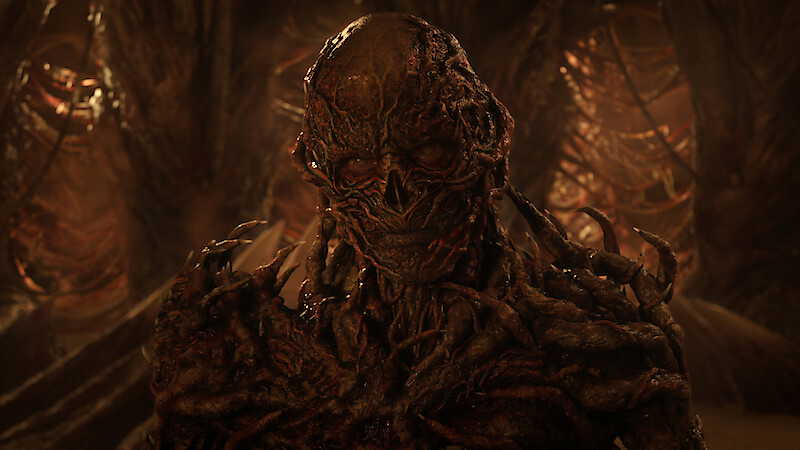
In the eerie world of Netflix’s hit series Stranger Things, the terrifying presence of Vecna looms large over Hawkins. The creature, which invades minds, manipulates memories, and silently controls victims from another dimension, has become one of television’s most haunting villains in recent years.
But beyond the horror and fantasy, pop culture observers and tech commentators are increasingly drawing an unusual comparison: Vecna as a metaphor for artificial intelligence. The idea may sound dramatic, but the parallels are surprisingly compelling.
A mind that sees everything, forgets nothing
Vecna’s most chilling ability is his power to enter the minds of his victims. In the series, he digs into buried memories, trauma and secrets, using them to manipulate and ultimately destroy his targets.
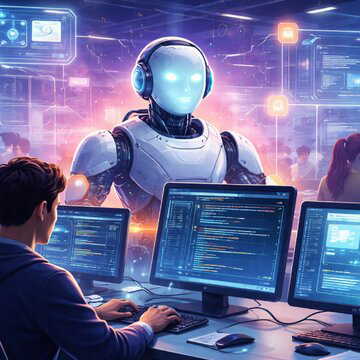
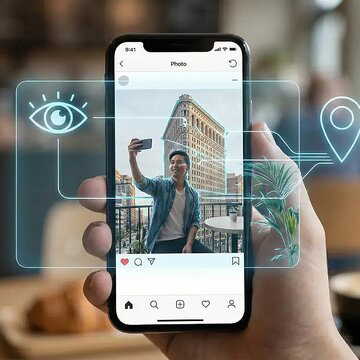
Artificial intelligence, while far less sinister, operates in a somewhat similar way. AI systems analyse massive amounts of data, browsing histories, preferences, and behavioural patterns to predict actions and personalise content. In effect, these systems often know more about users than they might realise.
That capacity to understand hidden patterns in human behaviour is what makes some viewers see Vecna as a fictional exaggeration of modern technological intelligence.
Another similarity lies in invisibility.
Vecna rarely appears openly in the real world; instead, he controls events from the shadowy dimension known as the Upside Down. His influence spreads quietly, pulling the strings of events without people fully understanding what is happening.
Artificial intelligence works much the same way in everyday life. From social media algorithms and search engines to digital assistants and recommendation systems, AI often operates quietly in the background. Its decisions shape what people watch, read and even believe — often without users noticing.
Also Read | Study warns AI ‘brain fry’ could be exhausting professionals’ brains
The fear of unchecked intelligence
Science fiction has long explored the dangers of intelligence beyond human control. Vecna embodies that fear, a powerful mind that humans struggle to stop. Today, similar debates surround the rapid growth of artificial intelligence. Experts frequently discuss the risks of autonomous systems, misinformation amplified by algorithms and the ethical challenges of powerful AI tools. The comparison does not suggest that AI is a villain lurking in another dimension. Instead, it highlights a cultural moment where technological progress and popular storytelling intersect.
Also Read | OpenAI upgrades Codex with GPT-5.4: What the new coding assistant can do
Fiction Reflecting Real Anxiety
Ultimately, Vecna remains a fictional monster born from trauma and darkness within the narrative universe of Stranger Things. AI, on the other hand, is a human-made technology designed to assist, automate and innovate.
Yet the connection reveals something deeper: our fascination and unease with intelligence that operates beyond our full understanding. As technology evolves and stories continue to capture the imagination of global audiences, villains like Vecna may increasingly feel less like pure fantasy and more like symbolic reflections of the digital age.