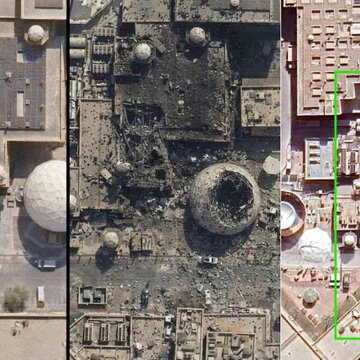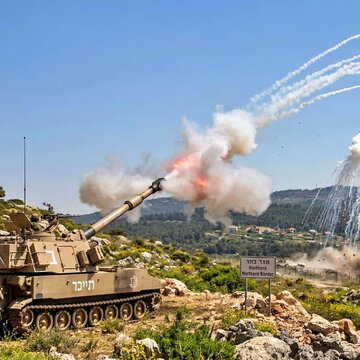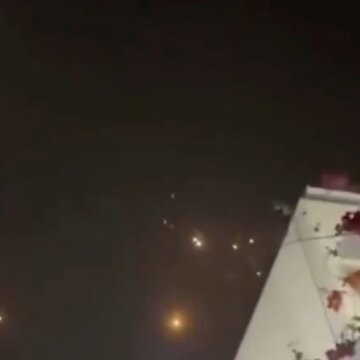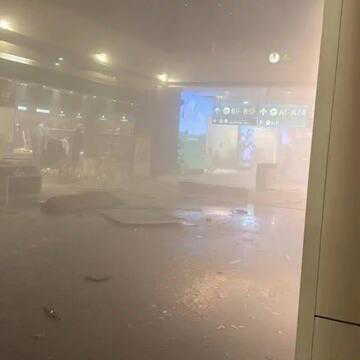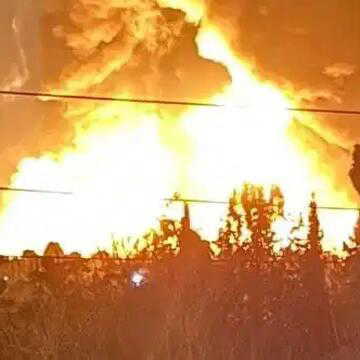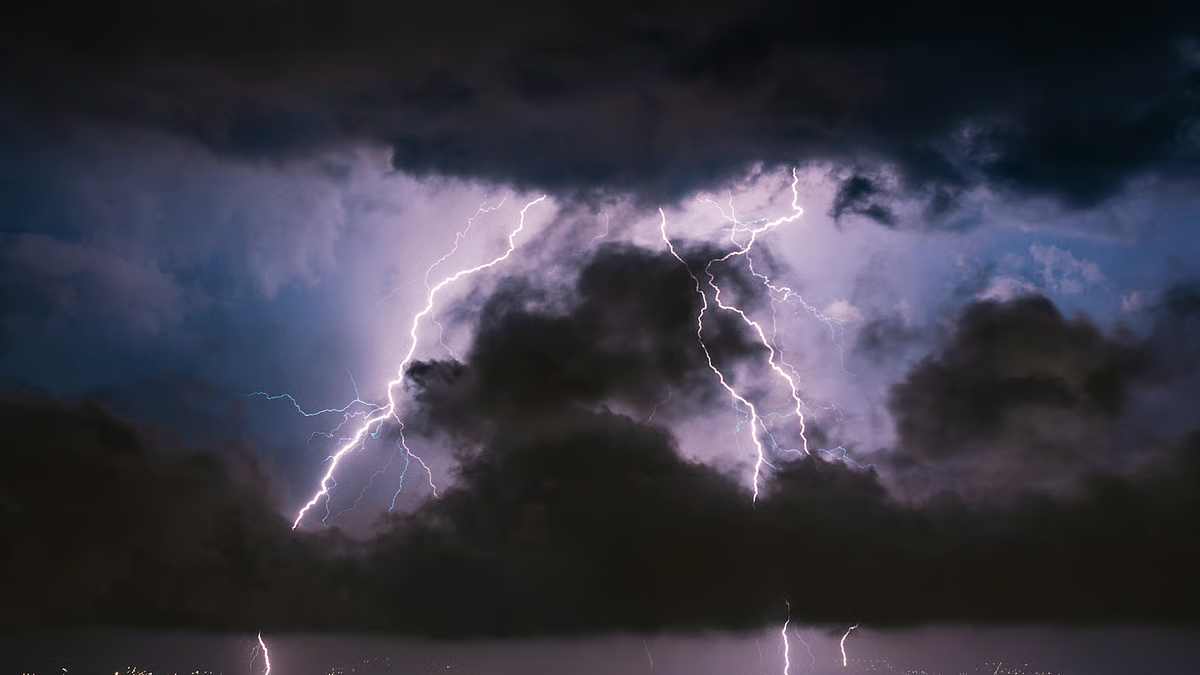
The Iranian authorities have reported that the Israeli strikes on the major fuel depots have initiated large-scale oil fires that released dense clouds of smoke and harmful gases into the atmosphere. As a result, people complained about itchy eyes and throat irritation, and fears of hazardous rainfall increased significantly.
What is ‘black’ rain?
“Black rain” is a unique atmospheric phenomenon where rainfall appears dark due to the presence of various elements such as soot, ash, oil particles, and other pollutants. Then, as the rain clouds form in such heavily polluted environments, the falling droplets capture these particles through a process known as atmospheric scavenging, making the rain appear black or oily.
Thus, after the Israeli attack, the burning petroleum from the fuel tankers produced thick smoke, which was filled with hydrocarbons and particulate matter. And with the rainfall taking place, there was a dark-coloured environment all around.
Also Read | Succession in Iran: War, power and the search for Iran’s next Supreme Leader
Why can it become ‘acidic’
When such particles get enmeshed in the atmosphere, there is not only a change in the colour. The rainfall, too, turns acidic. The large fires release sulphur dioxide and nitrogen oxide, which react with the oxygen and water vapour to form sulphuric and nitric acids. As a result, these chemicals dissolve in the rainwater and produce acidic rain.
Acid rains have a lower pH level than normal rainfall and cause damage to the vegetation, water resources and infrastructure and serious harm to the human skin and lungs.
Environmental and health concerns
Owing to this hazardous situation, the authorities in Tehran have issued an alarm for its citizens to stay indoors and avoid exposure at all costs. The mixture of acidic rainfall and oil pollutants causes respiratory diseases and also affects the environment to a large extent.
Also Read | US–Iran tensions deepen after Mojtaba Khamenei’s rise; what lies ahead for the Middle East?
While black rain events are rare, they have historically been observed after major industrial fires or wartime destruction. The situation unfolding over Iran highlights how large-scale fires and warfare can rapidly alter atmospheric chemistry, creating dangerous environmental conditions far beyond the immediate site of conflict.