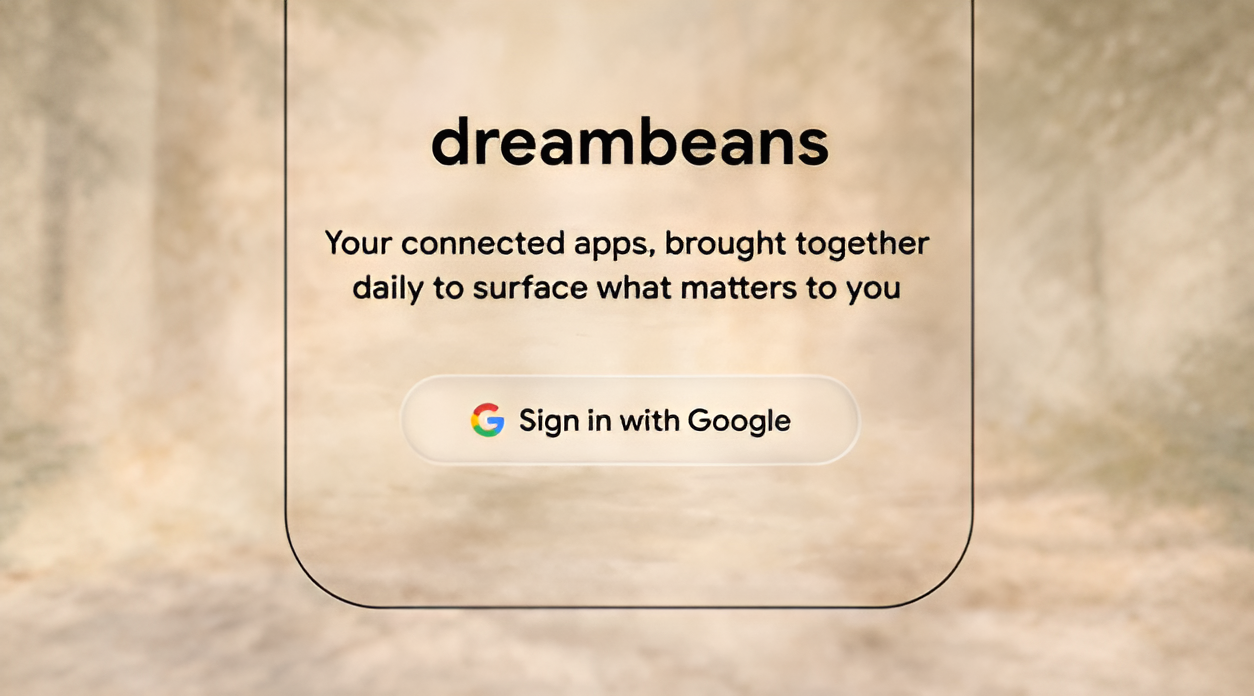
It seems that Google is trying a new way to deliver information to internet users through its experimental lab. Google Labs, one of Google's divisions that develops experimental products, introduced Dreambeans – an application powered by AI which aims to offer a selection of personalised stories to replace scrolling forever.
This comes after a period of increased criticism towards technology firms regarding their role in creating addictive apps and encouraging excessive screen usage. Instead of keeping people glued to their phones, Dreambeans offers a simple concept – offer a limited selection of stories and let the users go about their business.
As per Google's official announcement, Dreambeans provides users with up to 10 to 14 personalized stories per day based on the data collected via their Google accounts combined with AI-powered illustrations and suggestions.
Also Read | Meta eyes binge-watch culture with new Reels series feature on Instagram and Facebook
Designed to fight doomscrolling
Google says Dreambeans was created to address doomscrolling, the habit of endlessly consuming negative news and online content.
"The goal is not to scroll forever," the company said while introducing the app. Instead, Dreambeans offers a finite collection of stories intended to inspire ideas, surface useful information and highlight topics that matter to individual users.
The app pulls data from connected Google services such as Gmail, Calendar, Photos, YouTube and Search History. Based on this information, it generates personalised content ranging from travel suggestions and local discoveries to reminders, event recommendations and curated news updates.
For example, if a user receives a delivery confirmation for pet supplies, Dreambeans may suggest dog training tips or nearby pet-friendly locations. Similarly, calendar events can trigger recommendations related to restaurants, activities or travel plans.
How Dreambeans works
Dreambeans is powered by Google's Personal Intelligence technology and Nano Banana 2 image-generation system. Each story includes AI-generated illustrations designed to reflect a user's interests, locations and activities.
The app processes information overnight and presents users with a fresh collection of stories each morning. Google says users can save stories, provide feedback and customise which Google services are connected to the platform.
Speaking about the concept, Dreambeans product lead Gozde Oznur explained that the app's name reflects its functionality.
‚¨ NEW EXPERIMENT ‚¨
Google Labs (@GoogleLabs) June 3, 2026
Dreambeans is a new, experimental mobile app that uses Personal Intelligence to connect to your Google apps. Every day, it delivers collections of personalized stories, surfacing things you might otherwise miss, alongside topics that are relevant to you, to pic.twitter.com/8urEsuVEzf
"The dream part is literal because while you sleep, the app is processing information from connected services. The beans part refers to starting your day with a concentrated dose of inspiration, much like a fresh cup of coffee," Oznur said, according to TechCrunch.
Part of a broader push for digital wellbeing
The launch comes as governments and regulators worldwide increasingly focus on the effects of social media addiction and excessive screen use, particularly among younger users.
Also Read | How a Meta AI vulnerability led to Instagram account takeovers
Google's experiment follows a growing trend of technology companies introducing tools aimed at encouraging healthier digital habits. Rather than competing for attention through infinite feeds, Dreambeans attempts to create a more intentional experience centred on relevance and personal value.
Currently, Dreambeans is available only to Google AI Ultra subscribers aged 18 and above in the United States. Interested users outside the programme can join a waitlist through Google's website.
Whether Dreambeans becomes a mainstream product remains to be seen, but its debut signals a shift in how major technology companies are approaching user engagement in an era increasingly concerned with digital wellbeing.