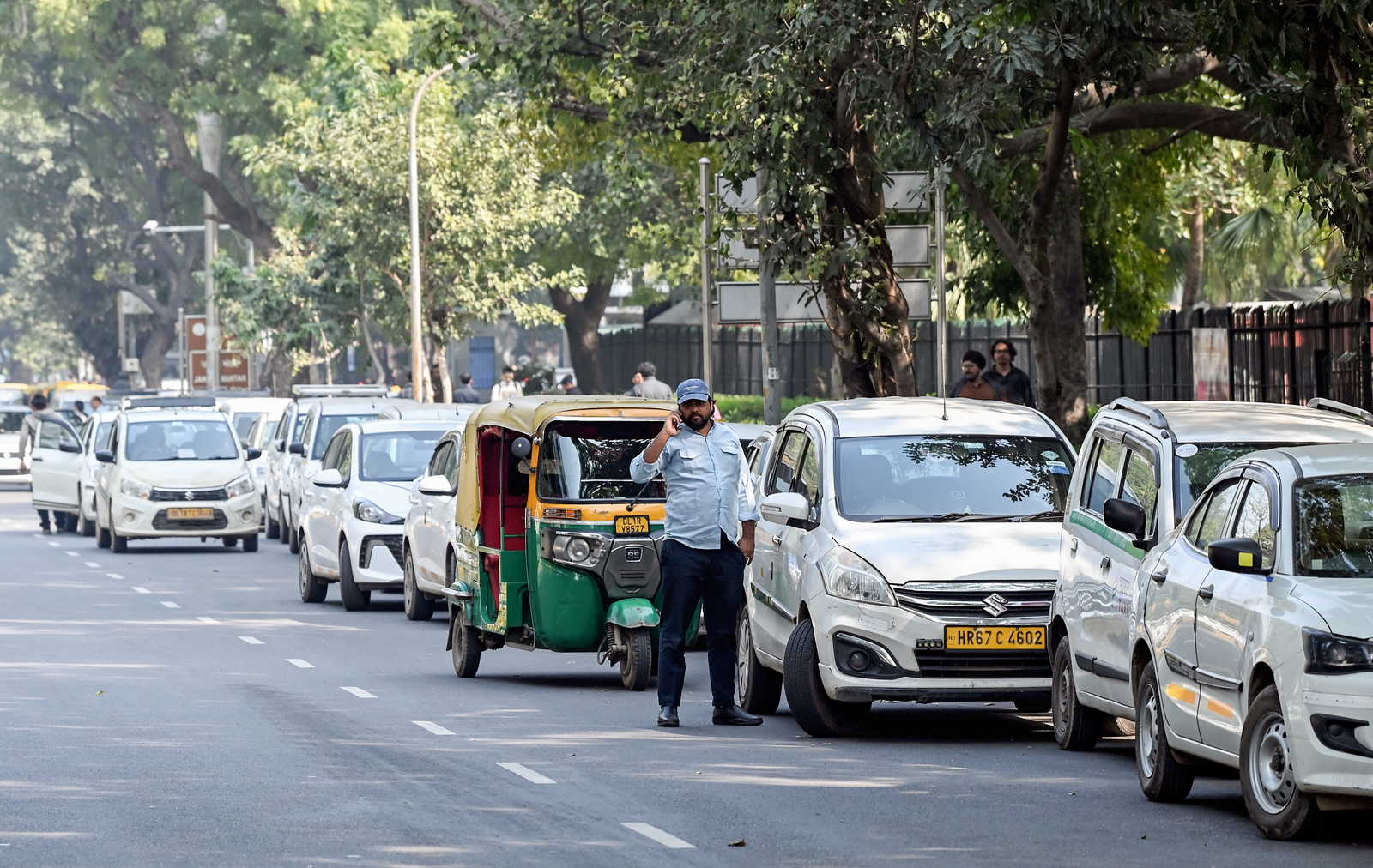
India’s telecom regulator, the Telecom Regulatory Authority of India (TRAI), has released a consultation paper proposing the rollout of a real-time wireless communication system for vehicles aimed at reducing road accidents and improving traffic management.
At its core lies the idea of vehicle-to-everything (V2X) technology, through which the vehicles will be able to interact with other automobiles, infrastructure, and cellular base stations to exchange data. This would help to provide alerts to the drivers about any imminent risks like emergency braking or loss of control.
Also Read | Meta’s smart glasses row deepens as worker claims and layoffs trigger privacy storm
Shift from passive safety to preventive systems
The regulator’s proposal signals a move beyond traditional safety measures such as airbags and seatbelts toward predictive, technology-driven systems.
#TRAI has released a consultation paper on how vehicles can “talk” to each other & their surroundings (V2X), making roads safer & travel smarter.
— TRAI (@TRAI) April 30, 2026
Share your views by 28 May ’26
Counter-comments by 11 June ’26
Details: https://t.co/uJBa3xXpS4 pic.twitter.com/9lXeTGgM5P
According to the consultation paper, onboard communication devices installed in vehicles would enable alerts for collision risks, optimise traffic signal timing and support dynamic route planning to ease congestion and reduce fuel consumption.
“The first and foremost reason for adoption of V2X technology is to improve road safety and reduce road fatalities,” the paper states.
India recorded an estimated 173,000 road deaths and 463,000 injuries in 2023. TRAI noted that nearly 92% of accidents are linked to human error, including delayed reaction, distraction and misjudgement.
Also Read | OnePlus Pad 4 set to launch in India: Price, specs and features revealed
How the system will work
The proposed network will operate through four communication modes:
Vehicle-to-vehicle (V2V): Cars can send instant alerts about sudden braking or loss of control up to several hundred metres away.
Vehicle-to-infrastructure (V2I): Traffic signals and road systems can communicate warnings, including red light violations or speed alerts near blind curves.
Vehicle-to-pedestrian (V2P): Vehicles can detect pedestrians or cyclists through connected devices, reducing blind-spot risks.
Vehicle-to-network (V2N): Integration with 4G and 5G networks enables real-time navigation updates and cloud-based services.
Rollout challenges and policy questions
The consultation paper acknowledges several hurdles, including integration with older vehicles and the need for supporting infrastructure such as roadside units.
According to industry representatives, the talks are only in the initial stages, requiring further elaboration on the issue of spectrum availability, especially in relation to the 5.9 GHz band.
Also Read | NITI Aayog pushes wider fuel efficiency rules as India eyes cleaner mobility
Other concerns raised by the regulatory body include cybersecurity threats and privacy issues, since V2X devices will constantly transmit data relating to their locations and speeds, and protection against misuse must be provided.
The proposal seeks feedback on key issues including spectrum pricing, licensing norms and the creation of a secure public key infrastructure to prevent fake alerts.