A Bengaluru-based couple has gone viral after their monthly spending of ₹12,000 to ₹15,000 on their pet dog sparked a wider conversation online about evolving urban lifestyles. The discussion began when Gagan Arora shared his experience on LinkedIn of visiting the couple’s home in Indiranagar.
“A couple I know in Indiranagar, both working in tech, no kids, adopted a Golden Retriever last year. I was at their place last month and noticed something on the kitchen counter," Arora wrote.
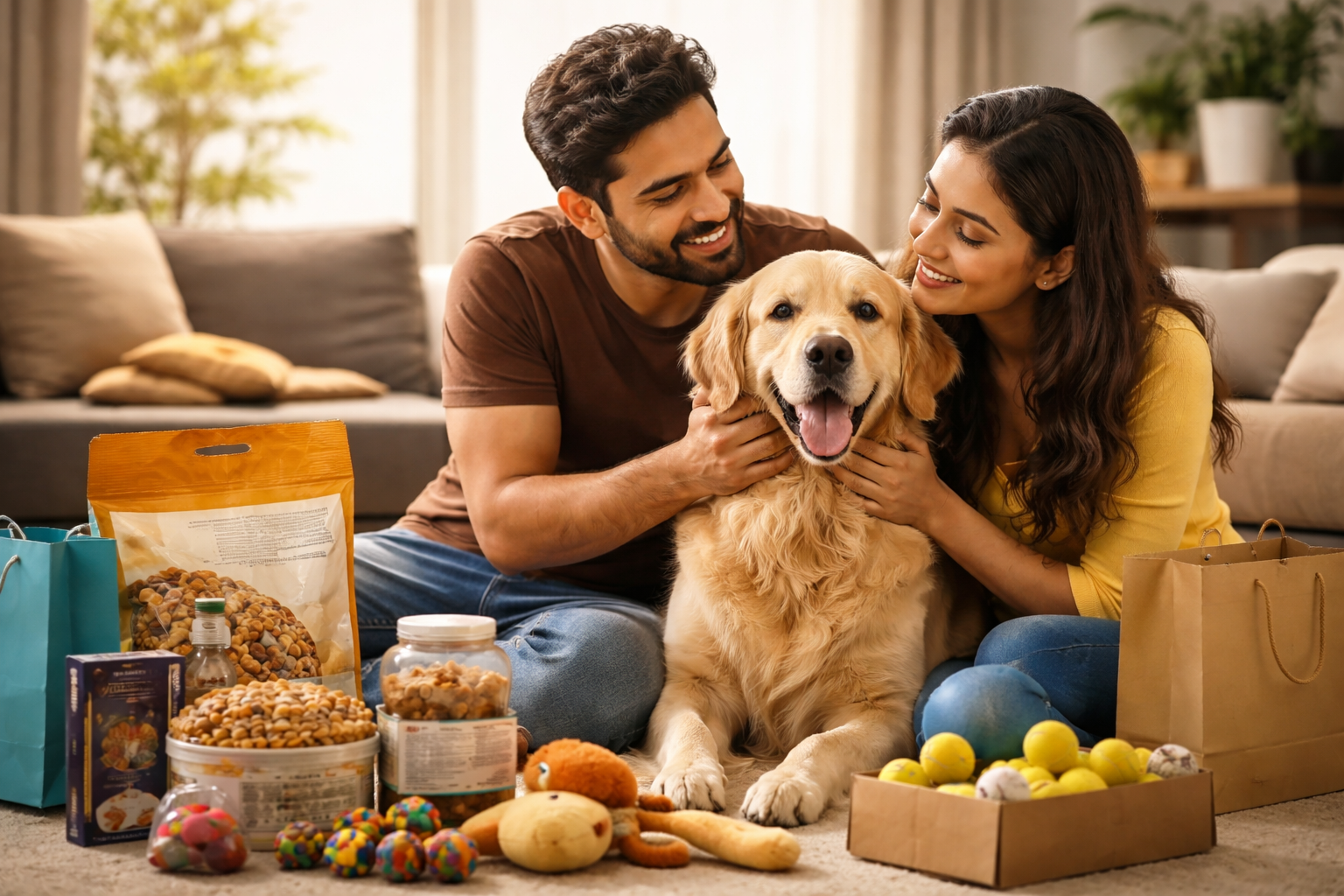
He observed that the couple spends significantly on their dog, sometimes even more than their own grocery expenses. The expenses include premium dog food, supplements, grooming kits, and regular care items.
He described observing a bag of Hearty super-premium dog food priced at ₹2,400 for 3 kg, along with probiotic supplements and a subscription box from Heads Up For Tails containing grooming supplies and treats.
“Next to it, a jar of probiotic supplements for joint health. Below the counter, a subscription box from Heads Up For Tails with grooming supplies, dental chews, and a seasonal bandana. I opened their fridge out of curiosity. The dog had a dedicated shelf. Cooked chicken portions, pre-measured, labelled by day. I asked them what they spend monthly on the dog. They didn’t hesitate. Around Rs 12,000 to Rs 15,000. Food, grooming, vet visits, toys, and treats," Arora wrote.
When asked about their own grocery spending, the couple reportedly laughed and replied, “Probably less."
ALSO READ | 'Don't think I'm here to address your tantrums': IMAX executive criticised online, users say 'be humble'
What is the ‘DINKWAD’ trend?
Arora further pointed out that such households are part of a growing category referred to as “DINKWAD” — Double Income, No Kids, With A Dog — a term he said was discussed during a Market Research Society of India webinar.
“DINKWAD. Double Income, No Kids, With A Dog," he stated.
“The researchers described them as time-poor, resource-rich, and unwilling to compromise on care. They don’t comparison shop. They don’t wait for a sale. They read ingredient labels on their dog’s food with more scrutiny than they give their own cereal box," Arora said.
Shift in spending behaviour and pet care boom
The trend reflects a broader shift where pets are increasingly treated as family members or “fur-children.” This has contributed to the rapid growth of India’s pet care market, especially in the direct-to-consumer segment.
“They spend Rs 5,000 or more per month on pet care, and they do it without a coupon code, a flash sale, or a ‘we miss you’ email. Every other D2C category in India is fighting for a customer who has been trained to never pay full price," he wrote.
Arora explained that emotional value plays a key role in such spending habits.
ALSO READ | What is 'energy lockdown'? India clarifies own situation amid rising fuel crisis in Asia
“When you’re buying for yourself, you optimise for price. When you’re buying for something you love that can’t buy for itself, you optimise for trust. That shift from price-first to trust-first changes everything about the unit economics. The customer converts faster," he wrote.
One LinkedIn user wrote in the comment section, "A contrasting comparison is a consumer who cannot make purchases independently—a child (baby or toddler). Parents, acting as the decision-makers, are likely to prioritise the best options when it comes to nutrition. However, this level of consideration doesn’t always extend to other needs."
Another wrote, "Not having a kid is an important variable here. It releases extra budget while increasing the emotional importance of the pet for the 'parents'."
Another supported them, "DINKWADs aren’t just less price-sensitive. They’re more consequence-aware."