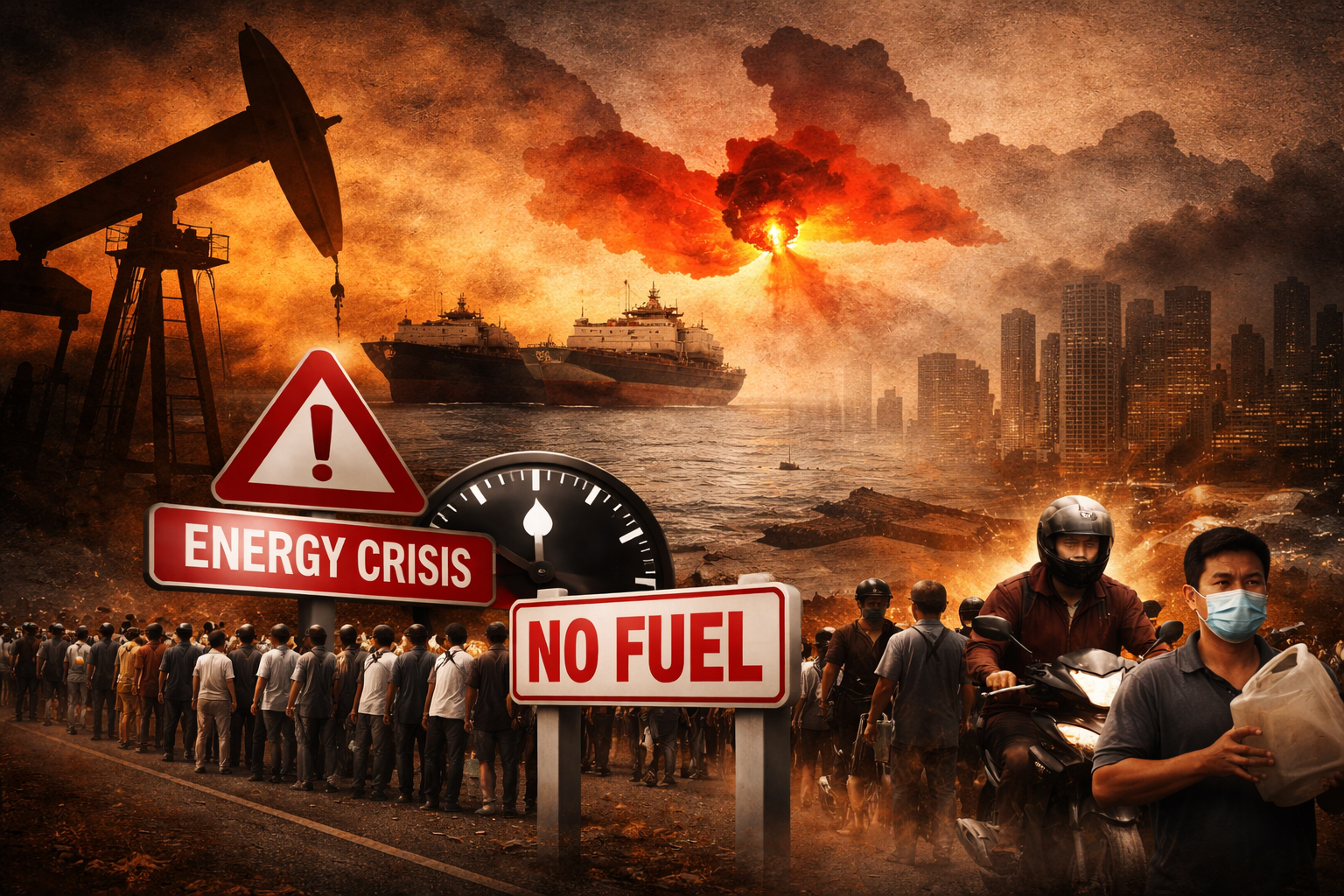
The term “energy lockdown” has recently gained popularity amid rising concerns over a global fuel crisis triggered by tensions in the Middle East. While several Asian countries are already taking emergency steps to conserve energy, India has clarified that there is no plan to impose any such restrictions.
The buzz began after Prime Minister Narendra Modi urged citizens in Parliament to stay prepared and united, similar to the collective response during the COVID-19 pandemic. This sparked speculation online, with many questioning whether India could see another form of lockdown.
ALSO READ | Is another lockdown coming? Govt clarifies rumours as misinformation spreads
What does 'energy lockdown' really mean?
The phrase “energy lockdown” is not an official policy term but has been going viral on social media to describe strict measures taken by governments to conserve fuel and electricity during shortages. These may include reducing working hours, limiting fuel usage, cutting down public lighting, and even restricting certain economic activities.
The concept has gained relevance as disruptions in the Strait of Hormuz threaten energy supplies. Nearly a quarter of the world’s seaborne oil passes through this narrow passage, making it critical for energy-dependent regions like Asia.
India dismisses lockdown fears but prepares quietly
Amid growing speculation, the Indian government has firmly denied any plans for a nationwide lockdown or restrictions on movement. Officials clarified that the Prime Minister’s remarks were misinterpreted and were intended to encourage preparedness, not signal imminent curbs.
"As we can see, the situation regarding this war is changing moment by moment. Therefore, I would also say to my fellow citizens that we must be prepared for every challenge. There is a strong possibility that the adverse effects of this war will last for a long time. But I assure the people of the country that the government is alert, ready, and working with full seriousness on strategy, taking every necessary decision," PM Modi said in the parliament.
However, India is taking precautionary steps. Reports indicate that the country has secured around 60 million barrels of Russian oil for upcoming deliveries, ensuring supply stability. The move highlights a strategy to manage potential disruptions without alarming the public.
ALSO READ | Petrol, diesel duty cut by ₹10 — here's why you may not see any real relief
Asia faces real impact of energy crunch
While India remains stable for now, several Asian countries are already feeling the strain. Governments across the region have introduced conservation measures, including shorter work weeks and reduced public energy use.
In Pakistan, authorities have advised citizens to avoid unnecessary travel to save fuel, while Bangladesh is witnessing long queues at fuel stations and shutdowns of fertiliser plants. Countries like Indonesia, Thailand, and the Philippines are also grappling with rising fuel costs and supply concerns.
As per a report by Bloomberg, experts at Barclays, suggest that if the situation worsens, governments may adopt measures similar to those used during the pandemic, such as easing fiscal rules or providing economic support.
For now, while the term “energy lockdown” may sound alarming, it reflects a broader concern, actually.
🚨🇵🇭 BREAKING: Due to gas shortages, people are now walking to work in the Philippines. pic.twitter.com/mQkwRkRQwP
— Jvnior (@Jvnior) March 25, 2026