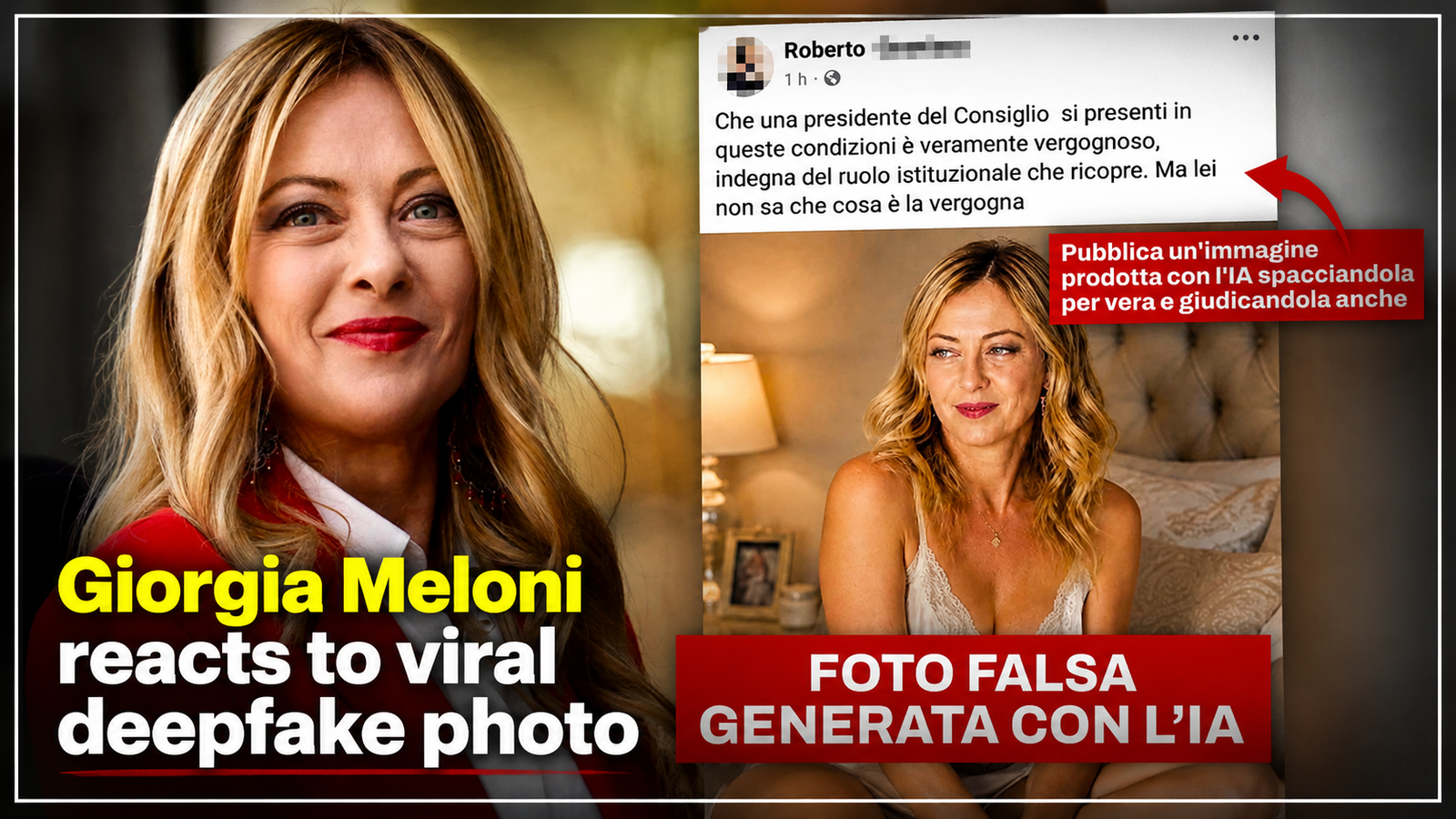
Italian Prime Minister Giorgia Meloni has reacted strongly to a viral deepfake image circulating online, calling it a “political attack” and raising concerns about the misuse of artificial intelligence. The Italian Prime Minister spoke about the issue publicly, pointing out how such edited content can spread misinformation.
The incident has once again highlighted the growing risks of AI-generated content. Meloni’s response focused not only on the specific case but also on wider concerns about digital safety and accountability in today’s tech-driven world.
Also Read | ‘We are not warriors’: Founder’s 3 Slack modes go viral for tackling work burnout smartly
What did Giorgia Meloni say
Meloni took to social media to address the issue directly. Her tweet, when translated, reads, “In these days, several fake photos of me are circulating, generated with artificial intelligence and passed off as genuine by some diligent opponent.” She joked, “I must admit that whoever created them, at least in the attached case, has also improved me quite a bit,” adding, “But the fact remains that, just to attack and invent falsehoods, nowadays anything at all is used.”
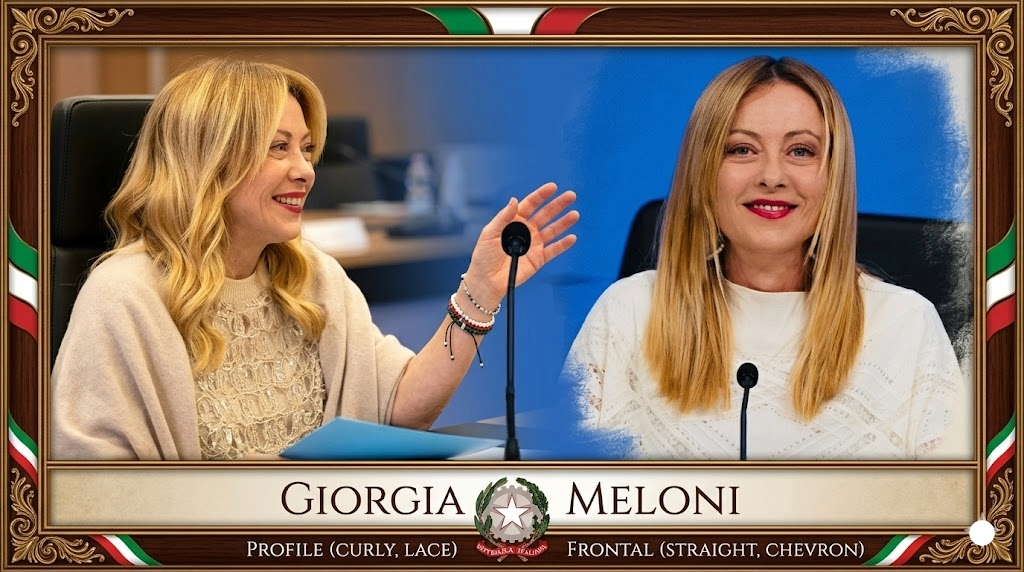 Giorgia Meloni reacts to viral deepfake photo File Image
Why are deepfakes a concern
The Prime Minister warned about the wider implications of such content. She said, “The point, however, goes beyond me. Deepfakes are a dangerous tool, because they can deceive, manipulate, and strike anyone. I can defend myself. Many others cannot.” Her statement highlighted how easily AI can be misused against individuals.
What did she advice to the public
Meloni also urged people to stay cautious while consuming online content. She stated, “For this reason, one rule should always apply: verify before believing, and believe before sharing. Because today it happens to me, tomorrow it can happen to anyone.”
Girano in questi giorni diverse mie foto false, generate con lintelligenza artificiale e spacciate per vere da qualche solerte oppositore.
” Giorgia Meloni (@GiorgiaMeloni) May 5, 2026
Devo riconoscere che chi le ha realizzate, almeno nel caso in allegato, mi ha anche migliorata parecchio. Ma resta il fatto che, pur di pic.twitter.com/or44qru2qj
Social media reactions
The incident sparked varied reactions online. One user wrote, “No one believes any images they see online anymore. Nobody should be scared of fake images because they’re all over the place. It’s kind of like currency. When the Federal Reserve keeps printing money out of thin air, the currency becomes worthless. The exact same thing with AI images online. Nobody values them at all. It’s just a laugh at this point.”
Another added, “Why is the author protected? Neither the photo nor the name can be seen. But he seems proud of his work. So why protect him?”
A third commented, “I agree that they've improved somewhat. But fake news is unacceptable in any form.”
Another expressed, “I agree! AI is not only dangerous, but it can also be used to scam people. For those without a large platform to defend themselves, AI can be dangerous. I genuinely believe AI is the worst thing ever invented. It will take everyone’s jobs while the greedy billionaires convince people that AI will improve their lives. They will get richer while everyone else loses their jobs. I mean, Coinbase cut 14% of their staff today because of AI.”
Also Read | Vijay’s ‘TN CM 2026’ number plate goes viral after TVK election win; fans call it ‘god-level prediction’
The controversy involving Giorgia Meloni centres on the circulation of AI-generated deepfake images shared online. She described the images as a “political attack” and raised concerns about the misuse of such technology.
She also stated that deepfakes can be used to deceive and manipulate people, and advised users to verify content before sharing. The incident has led to wider discussion about AI-generated media and its potential impact.