
One year after Operation Sindoor, the mission continues to be seen as a defining moment in India's modern security strategy. Conducted in the early hours of May 7, 2025, the tri-service operation marked a major shift in the country's response to cross-border terrorism.
The operation was launched weeks after the April 22, 2025 terror attack in Pahalgam, where 26 tourists were killed. The scale of the attack pushed India's security establishment towards a broader and more coordinated response.
The trigger behind the operation
In the days following the Pahalgam attack, intelligence agencies and security officials reportedly worked to identify the "intellectual and financial nerves" of the groups involved.
Also Read | Stormy weather disrupts Delhi flights as rain brings relief from heat
Investigators found that the attackers were allegedly linked to organised networks operating from camps in Pakistan and Pakistan-occupied Kashmir. These groups were believed to be using encrypted digital channels and urban professional fronts to conceal their activities.
The government's focus extended beyond direct retaliation. The objective was to target the wider infrastructure supporting terror operations.
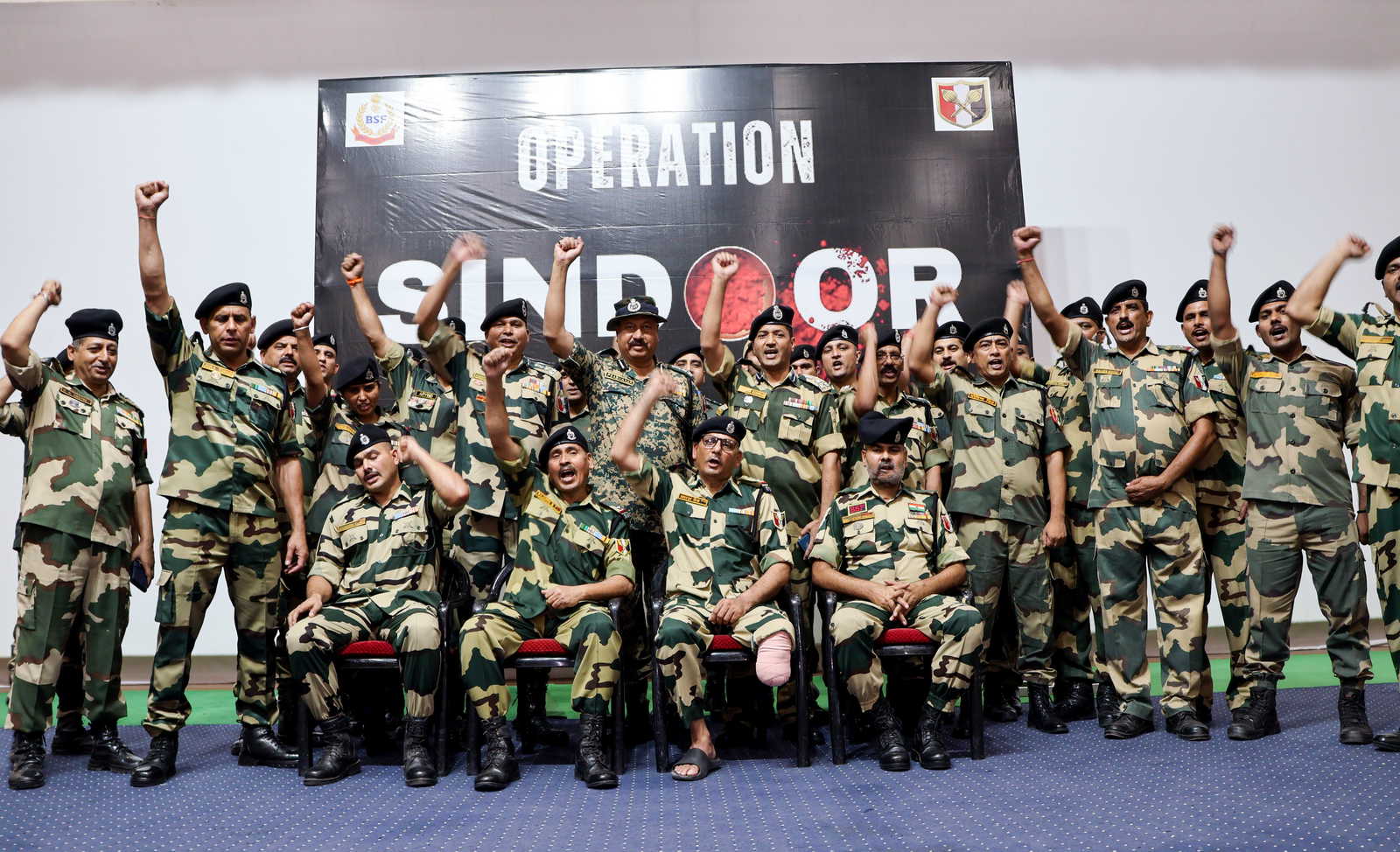 BSF soldiers who took part in Operation Sindoor celebrate their success. File image/ANI
 Coordinated tri-service strikes
When Operation Sindoor was launched, it involved coordinated action by the Army, Navy and Air Force.
According to officials, the mission relied on satellite imagery, digital forensics and precision targeting to strike terror camps linked to the attack. Maritime assets from the Southern Command were also integrated into the operation alongside airborne strike packages.
Security officials described the strikes as a targeted effort to dismantle what later came to be identified as a "white-collar" terror network.
Also Read | Crackdown intensifies as Western Railway fines for littering surge sharply in April
Focus on financial and digital networks
Investigations following the operation reportedly uncovered how radicalised professionals were allegedly using legitimate business fronts to channel resources.
A later probe linked to the Red Fort blast investigation further supported claims about hidden financial and logistical networks tied to extremist groups.
The findings prompted tighter digital security measures and the rollout of stricter RBI biometric payment protocols aimed at limiting anonymous funding channels.
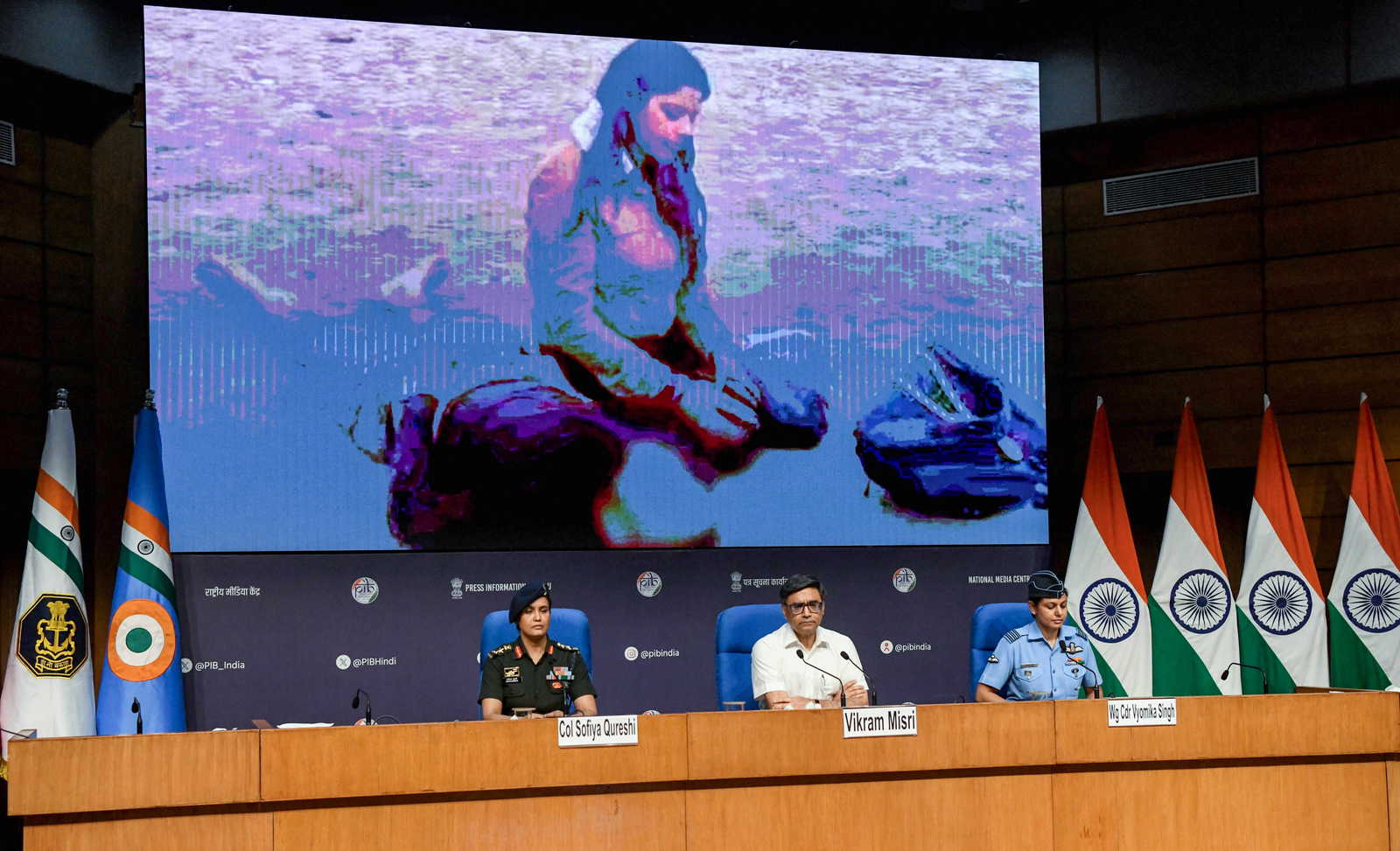 Foreign Secretary Vikram Misri, Col. Sofiya Qureshi and Wing Commander Vyomika Singh during a press briefing ‘Operation Sindoor'. File image/ANI
 Impact on India's security framework
The anniversary of the operation also highlights changes within India's security structure, including the appointment of Lt Gen Sandeep Jain to the Southern Command.
Also Read | ‘Historic, decisive’: PM Modi receives Trump’s congratulations after BJP’s Bengal sweep
Officials say Operation Sindoor reshaped the country's internal security approach by combining military action with financial surveillance and data-driven intelligence gathering.
A year later, the operation remains a major reference point in India's evolving counter-terror strategy.