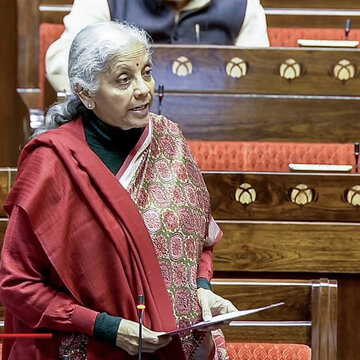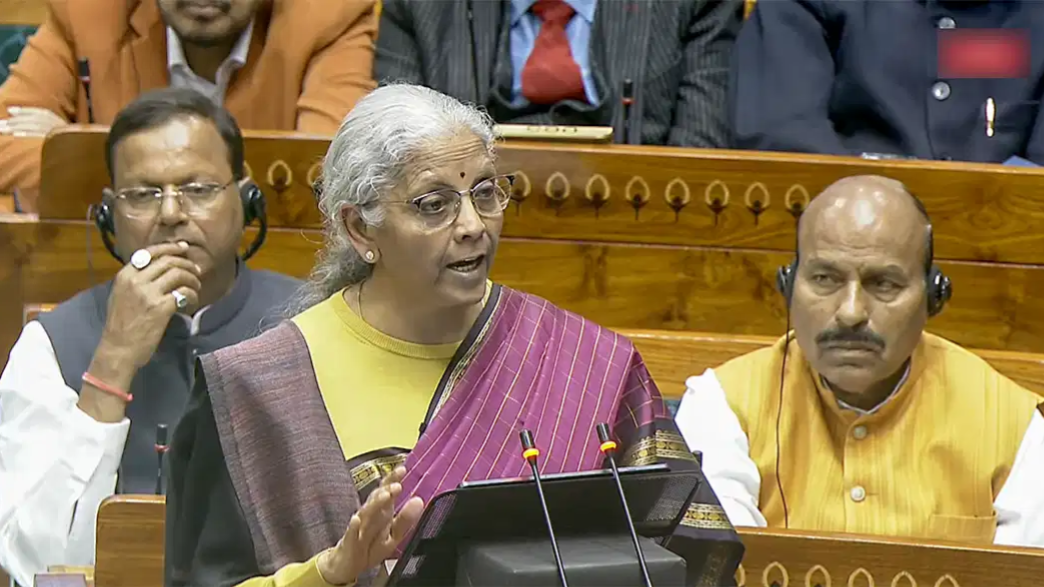
The Union Budget 2026-27 presented by Finance Minister Nirmala Sitharaman has introduced a series of changes that will have a direct bearing on household expenditure, business costs, and prices. By readjusting the structure of customs duties, the government has attempted to reduce the prices of essential commodities and prime manufacturing materials, while withdrawing exemptions on items now sufficiently produced within India.
As per the Budget announcements and notifications, the proposed changes are intended to encourage manufacturing, reduce healthcare expenses, and enhance export performance, while discouraging imports in certain sectors.
Also Read | What are some of the key numbers for the Union Budget 2026? From Capex to fiscal deficit, a complete guide
What gets cheaper?
Several every day and industry-linked products are expected to become more affordable following reductions in Basic Customs Duty (BCD) and other tax relief measures.
Essential medicines: Customs duty has been reduced on 17 life-saving drugs, including medicines used to treat diabetes and cancer, lowering treatment costs and improving access.
Mobile phones: Duty cuts on components and capital goods used in manufacturing are expected to reduce production costs and may lead to lower retail prices.
EV batteries: Lithium-ion cells have been exempted from basic customs duty to support electric mobility and the clean energy transition.
Leather and textiles: Duty reductions on raw materials such as wet blue leather and textile inputs are expected to make footwear, garments and exports cheaper.
Marine products: The duty-free import limit for seafood processing inputs, including shrimp feed, has been increased from 1% to 3% of FOB value, reducing costs for exporters.
Also Read | Union Budget 2026: Breaking down how the government earns and spends one rupee
Microwave ovens: BCD exempt, potentially lowering retail prices.
Sports equipment: Duty rationalisation is expected to bring down prices of sports goods to encourage wider participation.
Personal imports: Customs duty on goods imported for personal use has been cut from 20% to 10%.
Aviation and defence: Civilian aircraft parts and defence aircraft MRO raw materials have received customs duty exemptions to support domestic capability.
What gets costlier?
At the same time, the government has removed exemptions in areas where domestic manufacturing capacity has grown, leading to higher prices for some products.
Items now made in India: Customs exemptions have been withdrawn on goods where imports are minimal or local production is sufficient, making such imports costlier.
Industrial machinery: Tariff restructuring for select industrial goods may increase the cost of specific machinery and parts.
Tobacco products: Cigarettes, pan masala and other tobacco items will become more expensive following a hike in excise duty and health.
Also Read | What is the Finance Bill? The budget document that turns proposals into law
Key industry and export relief measures
Beyond consumer prices, the Budget includes measures aimed at easing operational pressure on exporters and manufacturers.
Seafood and textiles: Higher duty-free limits for imported inputs are expected to strengthen India’s export competitiveness.
Leather sector: The time allowed to export finished goods made from imported leather has been extended from six months to one year.
Electronics manufacturing: Duties remain higher on finished goods, while capital equipment imports have been made cheaper to encourage local value addition.