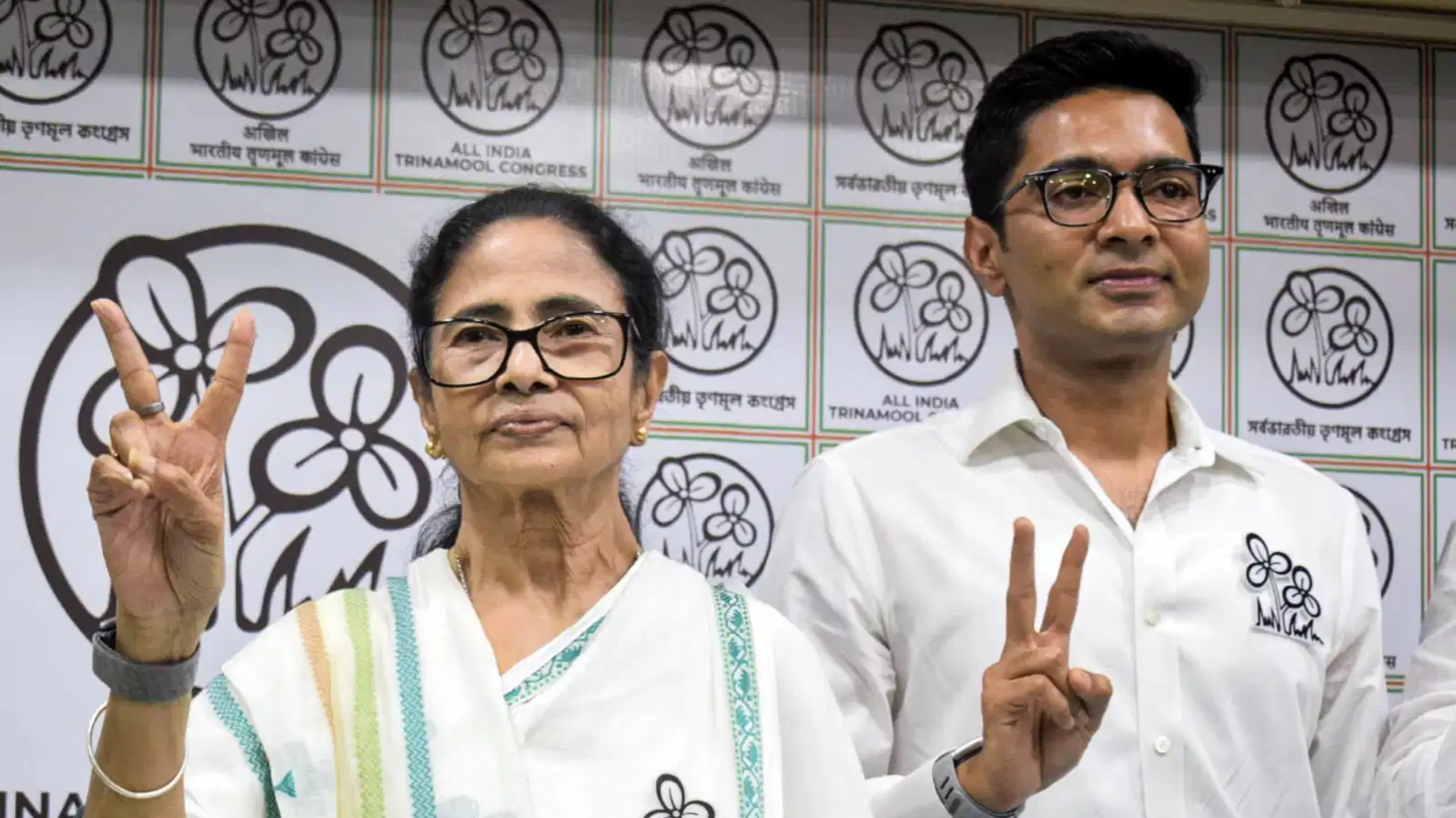
The electoral history of West Bengal can be traced back to 1952 when the state conducted its first-ever Legislative Assembly election post-Independence, thus embarking on a political journey which is characterised by phases of ideology and leadership.
The inaugural election, held under the newly adopted Constitution, saw the then-dominant Indian National Congress secure a decisive victory, winning 150 of the 238 seats. The Communist Party of India emerged as a distant second with 28 seats.
The period following Independence was governed by leaders like Bidhan Chandra Roy who emphasised upon post-partition rehabilitation of the area as well as development in terms of industry. However, by the mid-1960s, the politics had become highly unstable due to problems of food scarcity and labor unrest.
Also Read | Why Bengal voters lean towards regional leadership despite national narratives | Explainer
From Congress dominance to Left consolidation
However, the 1960s saw the advent of a change, during which the left government formed a part of various coalition governments for some time. This period was characterised by many socio-economic factors, including a strong labor movement as well as an increasing inclination towards socialist theories.
In 1977, the Communist Party of India (Marxist)-dominated Left Front rose to power, becoming the longest ruling communist government elected in the world. This alliance governed the state for more than three decades, thereby transforming the rural and administration landscape of West Bengal.
Some of the important policies included 'Operation Barga', which secured tenancy rights for sharecroppers, helped consolidate the Left’s base in rural Bengal. The party’s grassroots organisational strength ensured its continued electoral success for decades.
Decline of the Left and rise of Mamata Banerjee
By the early 2000s, the Left Front began to face growing resistance. Attempts at rapid industrialisation through land acquisition triggered protests in Singur and Nandigram, which significantly dented its public image.
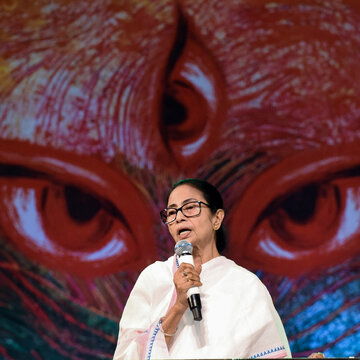
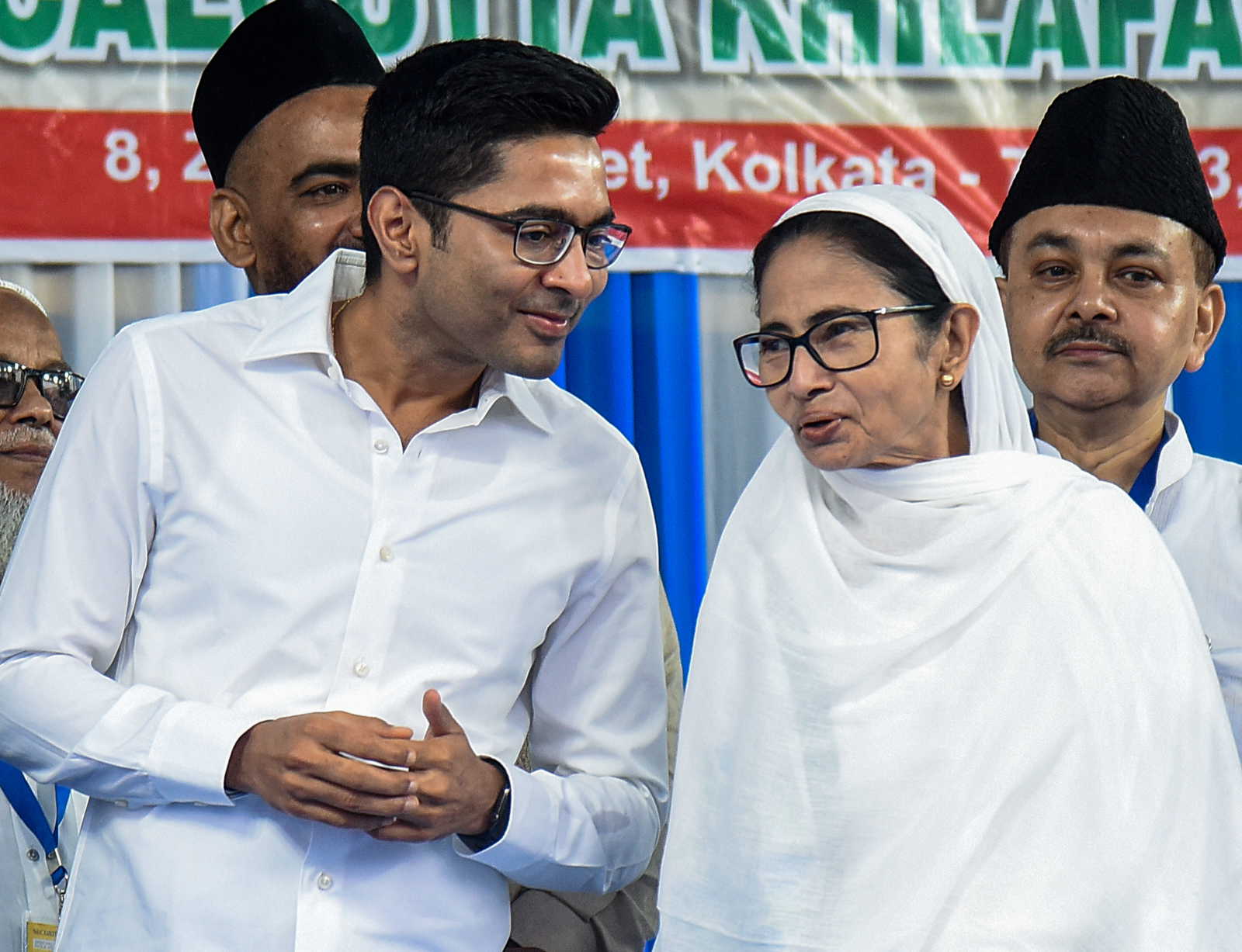 West Bengal CM Mamata Banerjee addresses a gathering on the occasion of Eid al-Fitr at Red Road in Kolkata. ANI
 These developments paved the way for Mamata Banerjee, who had broken away from the Congress to form the All India Trinamool Congress in 1998.
Positioning herself as the primary challenger to Left rule, Banerjee built a broad coalition of rural and urban voters. In 2011, her party defeated the Left Front, ending its 34-year tenure and marking a major shift in Bengal’s political trajectory.
Bengal politics in the present day
The politics of West Bengal since 2011 is controlled by the Trinamool Congress with Banerjee leading the party. Successive victories by the party in elections have been seen in 2016 and 2021.
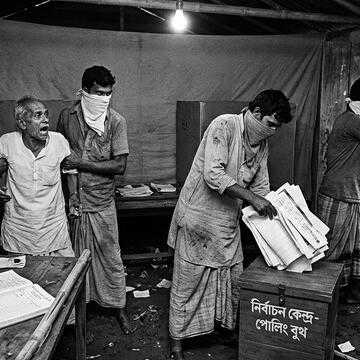
Also Read | What is 'Booth capturing'? Election day 'term' explained
On the other hand, the rise of the Bharatiya Janata Party (BJP) has resulted in making it the main opposition party in many regions, displacing both the Left and the Congress parties. This has brought about a bipolar nature of West Bengal's political contest.
West Bengal’s political present will continue to be influenced by the past, starting from when the state voted for the first time back in 1952.