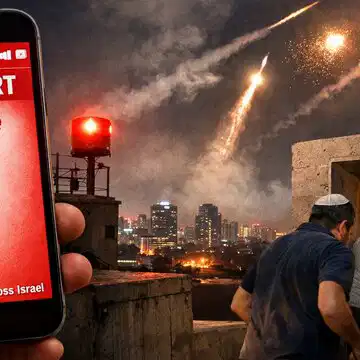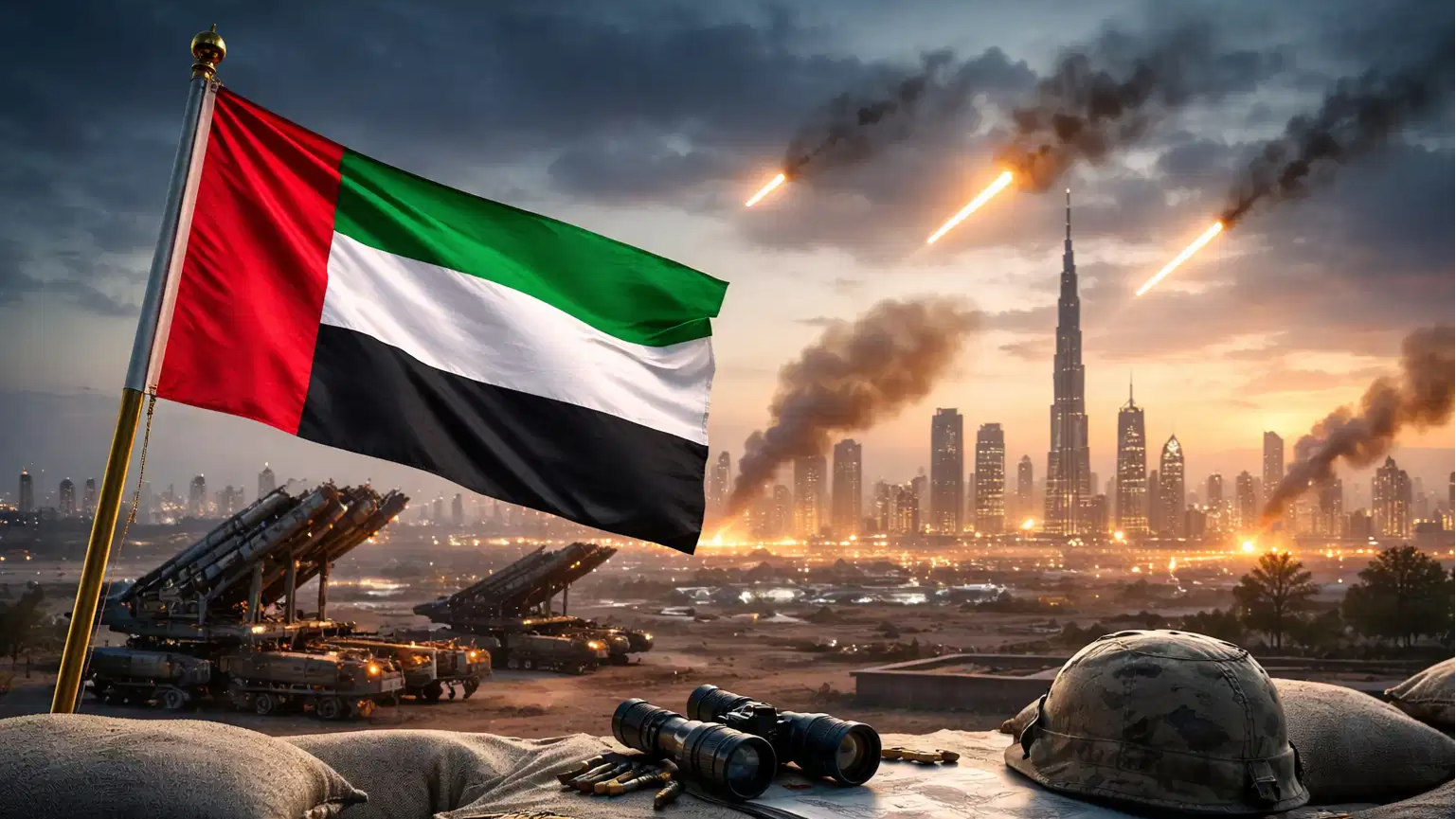
The United Arab Emirates urged its citizens and residents to remain indoors and await further instructions after Iranian missiles targeted US military bases in the Persian Gulf region. The advisory came hours after the United States and Israel launched strikes on Iran, prompting retaliatory attacks that were intercepted over several Gulf cities, including Doha and Abu Dhabi.
At the same time, India’s External Affairs Minister S. Jaishankar spoke with the UAE’s deputy prime minister and foreign minister, conveying New Delhi’s concern over the rapidly deteriorating security situation.
Missiles intercepted over Gulf cities
Missiles were intercepted across parts of the Middle East following Iran’s retaliation. In the UAE, explosions were reported in Abu Dhabi and Dubai as air defence systems engaged incoming projectiles.
According to the UAE Ministry of Defence, air defence systems successfully intercepted several Iranian ballistic missiles. “All necessary measures are being taken to firmly confront any attempts to undermine the country’s security and stability,” the ministry said, adding that the UAE reserves the right to respond to what it described as a “dangerous escalation”.
The ministry earlier confirmed that the country had been subjected to a “blatant attack” by Iranian ballistic missiles and that multiple interceptions had taken place. One civilian was reported dead in Abu Dhabi after being struck by falling debris.
Fire reported in Palm Jumeirah
In Dubai, smoke and flames were seen rising near the city’s iconic man-made island, Palm Jumeirah. Witnesses reported hearing loud explosions and seeing thick black smoke near a hotel property, with ambulances rushing to the scene.
The Dubai Media Office later confirmed an “incident” in a building in the Palm Jumeirah area that resulted in a fire. Four people were injured and transferred to medical facilities. Authorities said Dubai Civil Defence had brought the fire under control.
Evacuation amid heightened security
Eyewitnesses described hearing loud explosions and seeing aerial activity, prompting emergency protocols across key civilian locations in Dubai. Visitors and staff inside the Burj Khalifa were escorted out as security forces secured the surrounding area.
Authorities have not confirmed any direct strike on the landmark. However, missile activity and interceptor debris linked to Iranian attacks elsewhere in the United Arab Emirates heightened concerns about potential civilian risk. Reports indicated that Iranian strikes targeted US-linked military facilities in multiple Gulf countries, including the UAE, Qatar, Kuwait and Bahrain, significantly widening the scope of the confrontation.
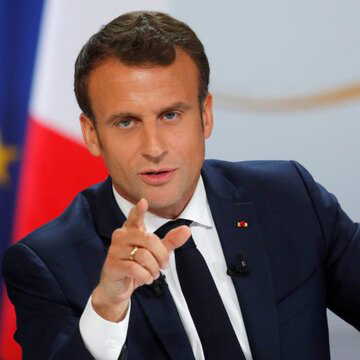
Also Read | 'France not involved': President Emmanuel Macron drops big statement amid escalating Israel-Iran conflict
Regional leaders discuss escalation
Saudi Crown Prince Mohammed bin Salman and UAE President Mohamed bin Zayed Al Nahyan discussed the developments and condemned what they termed a “dangerous escalation” threatening regional stability.
Meanwhile, governments across the world issued advisories to their nationals in the Middle East, where expatriates make up a large proportion of the population, particularly in Gulf states such as the UAE.
Also Read | Doha explosions: Qatar suspends public gatherings and entertainment activities
As missile interceptions, civilian casualties and emergency advisories unfold, the Gulf region remains on high alert. With diplomatic efforts under strain and global powers voicing concern, the situation continues to evolve amid fears of a broader regional conflict.