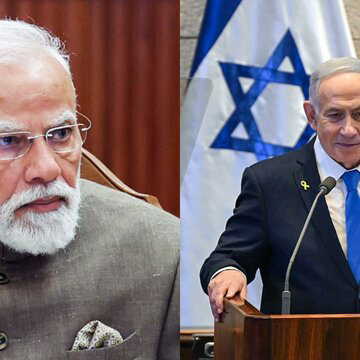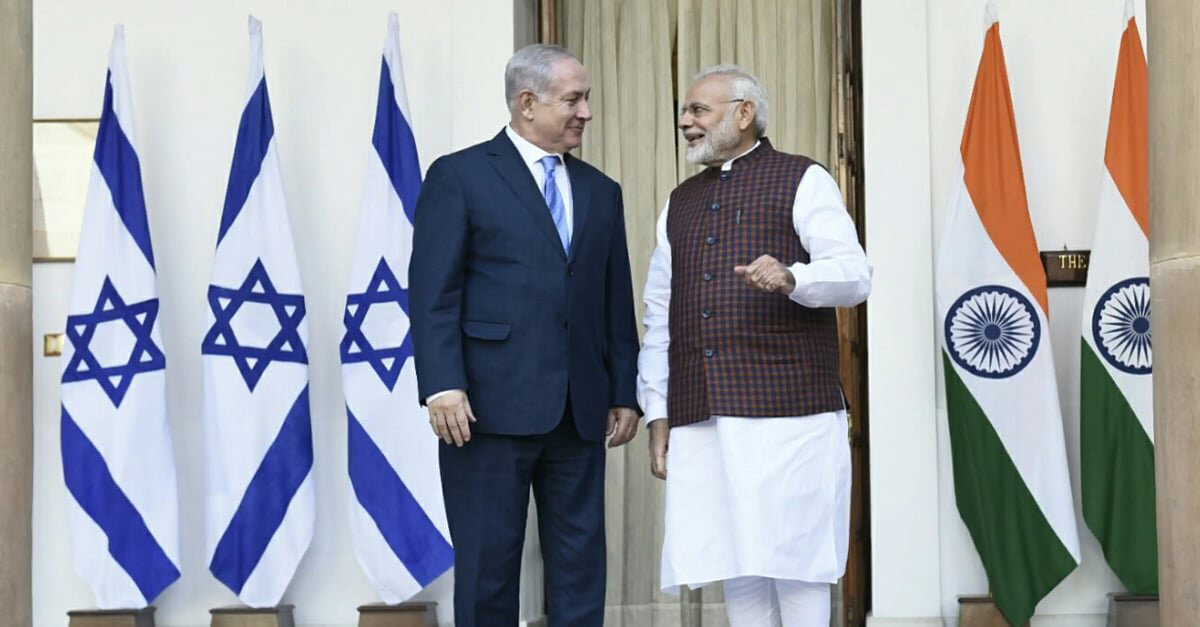
Indian Prime Minister Narendra Modi is scheduled to visit Israel on February 25 and 26, marking his second trip to the country after his historic 2017 visit. The visit comes at a strategically sensitive time for West Asia, adding geopolitical weight to the diplomatic engagement.
Israeli Prime Minister Benjamin Netanyahu has described Modi as a personal friend and emphasised the strengthening ties between India and Israel over the past several years.
Also Read | Tarique Rahman signals new direction for Bangladesh with major military overhaul in top ranks
Modi to address Israeli Parliament
During the visit, Modi will address the Israeli Parliament, the Knesset, highlighting the growing strategic partnership between the two nations. He and Netanyahu are also scheduled to attend a joint event in Jerusalem.
The Indian Prime Minister will visit Yad Vashem, Israel’s Holocaust memorial, in a symbolic gesture underscoring historical remembrance and diplomatic solidarity.
Focus on defence and technology cooperation
Netanyahu has announced a separate bilateral meeting with Modi. Discussions are expected to centre on artificial intelligence, quantum computing, military cooperation, drones, missile systems, cyber security, and agricultural collaboration. Defence and advanced technology remain central pillars of India–Israel relations, and the visit could result in further strengthening of strategic and technological partnerships.
Also Read | Canada revises post-graduation work permit rules: Here’s how the new changes could impact you
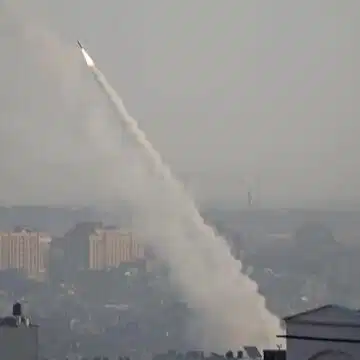
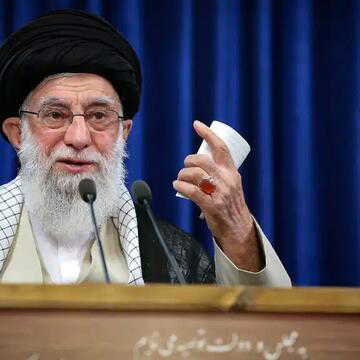
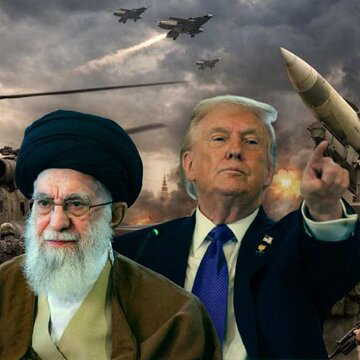
The visit is taking place amid escalating tensions in West Asia, particularly involving Iran and the United States over the nuclear issue. Protests have intensified within Iran, while Washington has reportedly increased pressure on Tehran.
US President Donald Trump has adopted a tougher stance toward the Iranian leadership, contributing to regional uncertainty. In this volatile environment, Modi’s statements during his Israel visit will be closely watched for signals regarding India’s diplomatic positioning in West Asia.