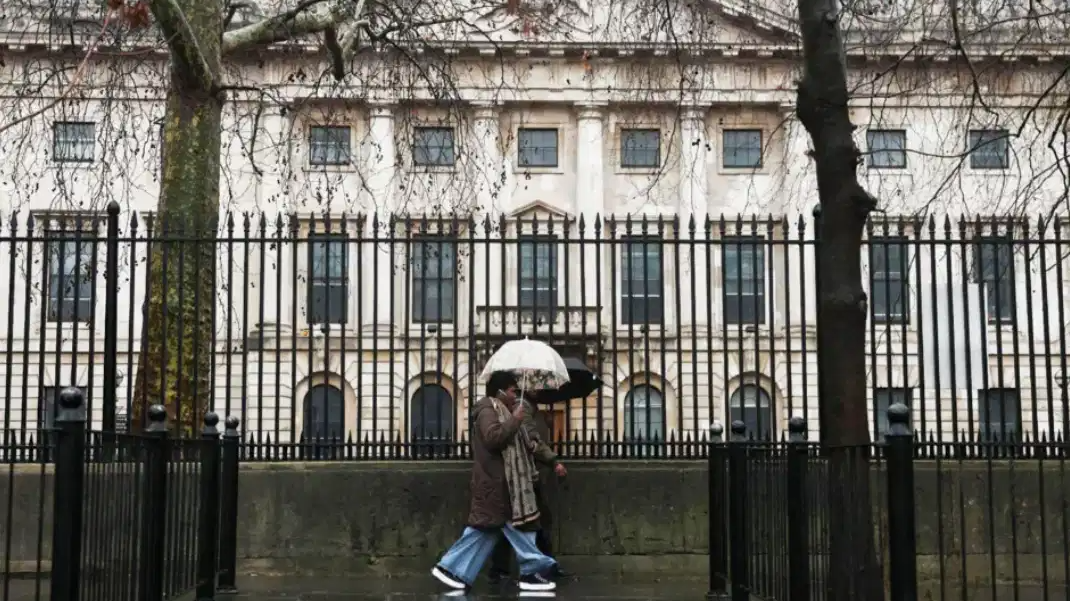
The United Kingdom government approved China's long-delayed proposed development of a large-scale, multi-building embassy complex located in central London after considerable delay on Tuesday (January 20). This has triggered robust discussions surrounding issues pertaining specifically to the national security, human rights and UK's economic ties with Beijing.
The approval has paved way for what could become one of Europe's biggest Chinese embassy, covering a combined total area more than 20,000 square metre and making it a "super-embassy". However, as a result of the approval, there have already been several early indications concerning highly likely opposition, possibility of legal challenges and protests.
Also Read | King Charles has no plans to meet 'untrustworthy' son Prince Harry
Decision final despite opposition
Despite intense opposition from cross-party lawmakers, including members of the governing Labour Party, Housing Secretary Steve Reed has signed off on the proposal. He stressed the legal rationale for the decision and that it was made "fairly, based on evidence and planning regulations. The decision is now final unless it is successfully challenged in court".
British PM to visit China this month
The approval comes at a time of tension in UK-China relations. British Prime Minister Keir Starmer is expected to be making an official trip to China later this month to re-establish and improve economic and political relations between the two nations. If this trip does go ahead, this will be the first time that a British Prime Minister has made an official visit to China since 2018.
The land for this new British Embassy was purchased by China in 2018, but, as a result of security issues and concerns from the UK government, the project was put on hold for seven years. The Chinese government has repeatedly accused the UK of delaying the approval process, and, in October 2025, Chinese Foreign Ministry spokesperson Lin Jian warned the UK government that "if they deny this application, the UK would bear all consequences".
UK's hesitation
The embassy will be located near to the City of London, creating possible threats to national security. When planning this site there was negative feedback regarding its close proximity to underground fibre-optic cables that carry sensitive communication and financial data.
There has been a lack of confidence due to the fact Beijing refused to release comprehensive internal layout plans for the new complex.
A letter from the Housing Ministry confirmed Reed's decision and aimed to ease those worries. It stated, "There is no suggestion that the operational development allowed by any grant of planning permission would interfere with the cables, nor that a lawful embassy use of the site would cause any such interference."
Also Read | Minor girl allegedly gang-raped by Pakistani grooming gang in London, Elon Musk urges action
The Ministry noted that the concerns raised by the Foreign Office and Home Office "have been resolved" and emphasised that "no bodies responsibility for national security" had opposed the proposal on those grounds.
Britain's intelligence agencies say...
The UK's intelligence heads have adopted a more delicate stance. In a letter to ministers, MI5 and GCHQ heads assert that "as with any foreign embassy on UK soil, it is not realistic to expect to be able wholly to eliminate each and every potential risk". However, both MI5 Director Ken McCallum and GCHQ Director Anne Keast Butler said that "the security mitigations proposed for this location are both expert and professional" and are "totally proportional".
In addition, they stated that there are also "clear security benefits" from consolidating China's seven separate London diplomatic premises into one larger, highly regulated office.
Parliament not okay with decision
Early in January, nine Labour MPs wrote to Reed asking him to reject the project. They warned that the embassy would "step up intimidation" against dissidents and that security concerns were still "significant and unresolved".