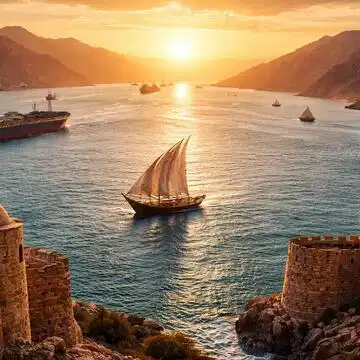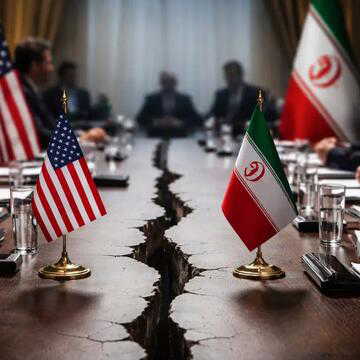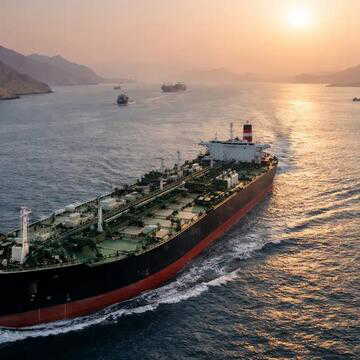
The United States has moved to enforce a naval blockade on Iranian ports in the Strait of Hormuz, sharply escalating tensions after recent peace talks collapsed. The move comes in response to Tehran’s threats to retaliate against Gulf ports following stalled negotiations in Islamabad.
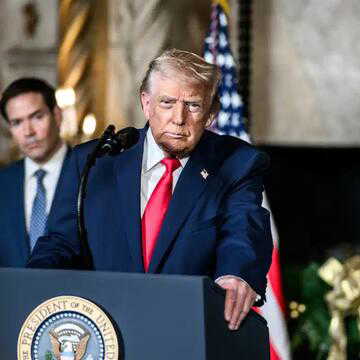
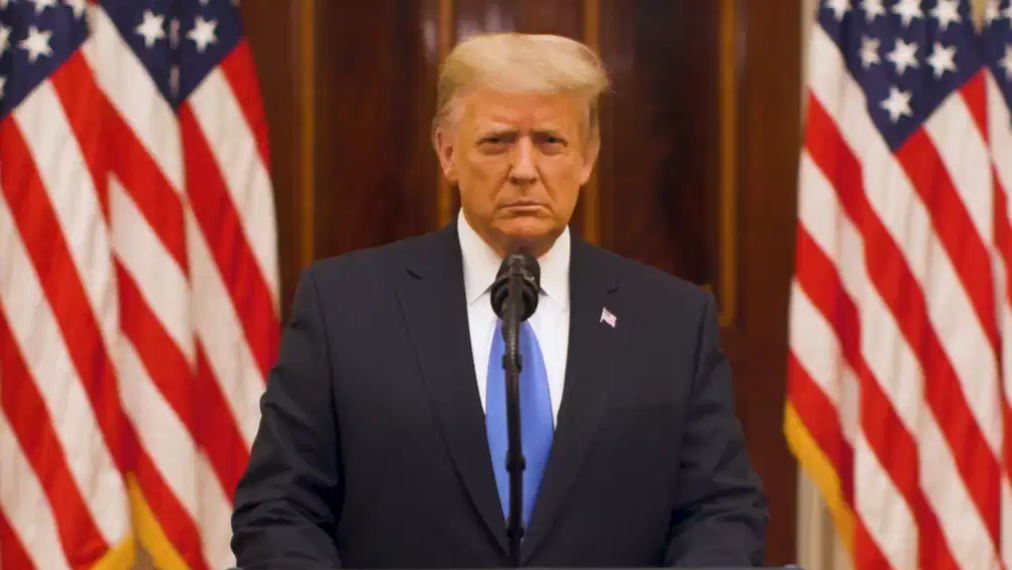
Announcing the development on Monday, US President Donald Trump said the blockade is aimed at countering what he described as coercive tactics. “We can’t let a country blackmail or extort the world, because that’s what they’re doing," he told reporters outside the Oval Office.
The US Central Command, CENTCOM, stated that the blockade would be “enforced impartially against vessels of all nations,” while allowing ships travelling between non-Iranian ports to pass through the strait. Trump also issued a warning against Iranian naval movements. “If any of these ships come anywhere close to our BLOCKADE, they will be immediately ELIMINATED… It is quick and brutal," he wrote on Truth Social.
Despite the tensions, Trump noted that 34 vessels had successfully transited the Strait, calling it the highest number since disruptions began.
Also Read | Why Trump wants a Hormuz blockade — and how will it hit India?
Iran pushes back, warns of escalation
Iranian officials strongly criticised the move. Parliament Speaker Mohammad Bagher Ghalibaf said Tehran would “not bow to any threats,” while Navy chief Shahram Irani dismissed the blockade as “ridiculous.”
Brigadier General Reza Talaei-Nik warned that foreign military intervention in the strait would worsen instability and disrupt global energy flows. Meanwhile, NATO allies Britain and France have distanced themselves from the blockade, urging efforts to keep the waterway open.
Trump signals possible talks
Trump claimed that Iranian representatives had reached out after the Islamabad talks collapsed. “I can tell you that we’ve been called by the other side. They’d like to make a deal. Very badly, very badly," he said, without specifying who initiated contact.
He also refused to apologise to Pope Leo XIV over earlier remarks. “There’s nothing to apologise for… Pope Leo said things that are wrong,” Trump said, adding criticism of the pontiff’s stance.
Also Read | 'Don't care if they come back': Trump reacts sharply after US-Iran talks collapse
Hezbollah rejects negotiations
In a parallel development, Hezbollah chief Naim Qassem urged Lebanon to withdraw from planned talks with Israel in Washington. “We reject negotiations with the usurping Israeli entity… We call for a historic and heroic stance by cancelling this negotiating meeting," he said in a televised address.
The meeting was expected to bring rare direct engagement between the two sides, with Lebanon pushing for a ceasefire and Israel seeking broader terms, including Hezbollah’s disarmament.
Global oil prices surged following the developments, with US crude crossing $100 per Fatih Birol warned that supply disruptions could worsen. “The longer the disruption is, the more severe the problem becomes," he said.