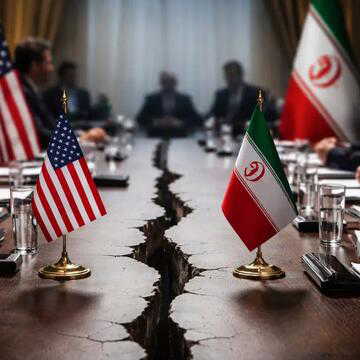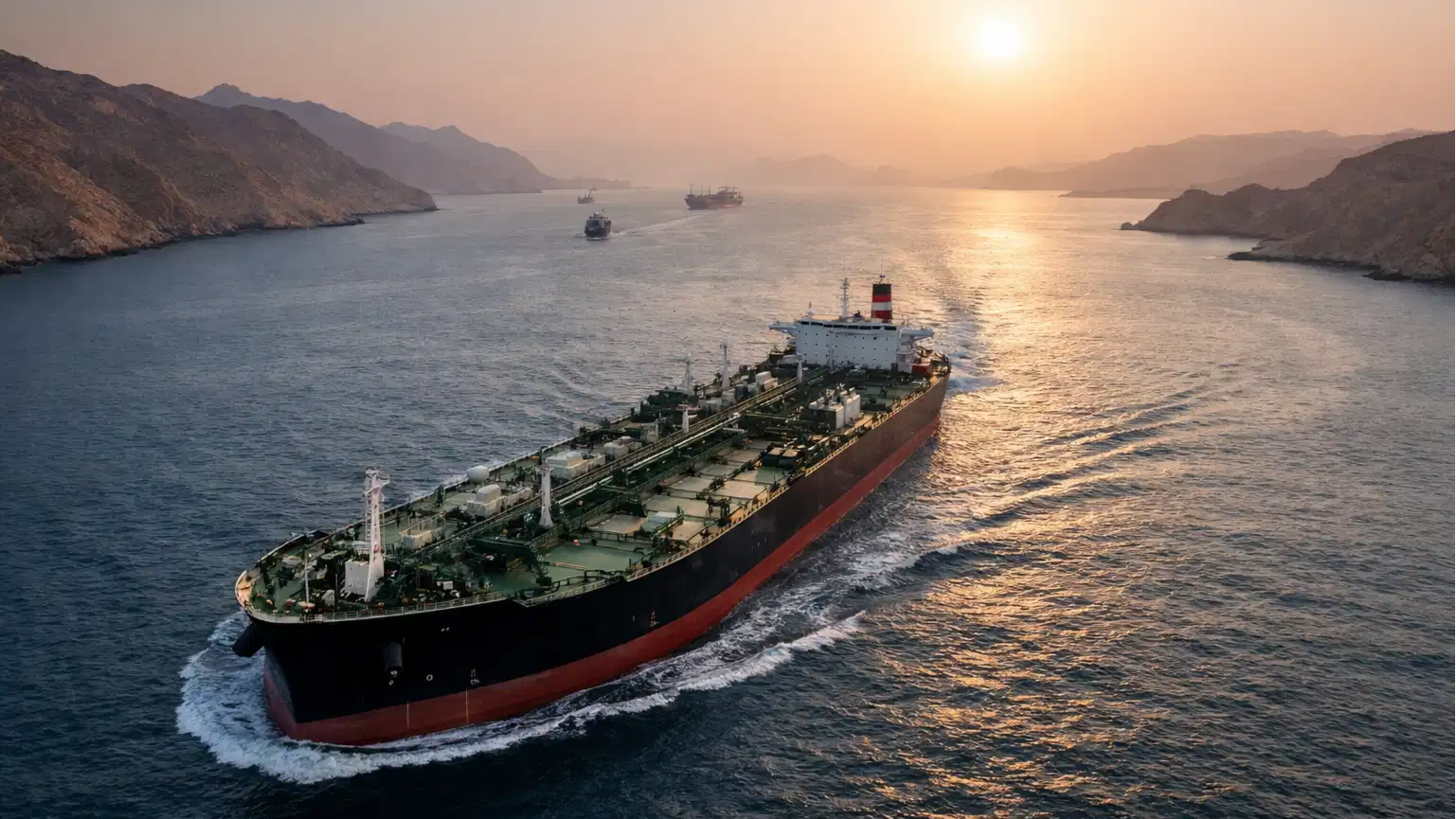
A potential US blockade of the Strait of Hormuz could cost Iran as much as $435 million per day, according to an estimate cited by The Wall Street Journal. The figure reflects the scale of disruption to Iran's oil-driven economy as tensions with United States intensify.
The estimate includes roughly $276 million in lost exports, largely from crude oil and petrochemicals. Analyst Miad Maleki of the Foundation for Defense of Democracies based the calculation on exports of around 1.5 million barrels per day at about $87 per barrel, per a News 18 report. A significant share of these shipments typically passes through Kharg Island in the Persian Gulf.
Also Read | 'Soon you'll miss $5 gas': Iran drops math equation to mock Trump as gas prices set to soar
Uncertain impact and workarounds
The actual economic fallout may vary depending on how strictly the blockade is enforced. Analysts say Iran could attempt to reroute some exports through alternative routes, including the Jask terminal located outside the Strait of Hormuz.
Short-term losses may also be softened by reserves already at sea. Data from Kpler suggests Iran had about 154 million barrels of crude stored on vessels outside the Gulf as of late March, offering some buffer against immediate supply disruptions.
Blockade and sharp warnings
The blockade was enforced by the United States on Monday, with President Donald Trump announcing that vessels entering or leaving Iranian ports would be stopped. He also warned Iran’s naval forces against approaching US ships.
"If any of these ships come anywhere close to our BLOCKADE, they will be immediately ELIMINATED, using the same system of kill that we use against the drug dealers on boats at Sea," Trump said in a post on Truth Social.
The move followed failed talks between Washington and Tehran after a temporary ceasefire.
Strategic choke point under strain
Iran has effectively shut the Strait of Hormuz, a crucial route that carries about a fifth of the world’s oil and liquefied natural gas supplies, in response to US-Israeli strikes that began on February 28.
Also Read | Travelling to Europe? New biometric rules replace passport stamps
Despite setbacks to its conventional Navy, Iran retains the ability to disrupt shipping through unconventional tactics such as fast-attack boats and naval mines, according to analysts cited by Reuters.