North Korea carried out another round of missile tests on Sunday, firing strategic cruise missiles and anti-ship missiles from its naval destroyer Choe Hyon, according to state media Korean Central News Agency. The tests were part of efforts to assess the warship's operational performance.
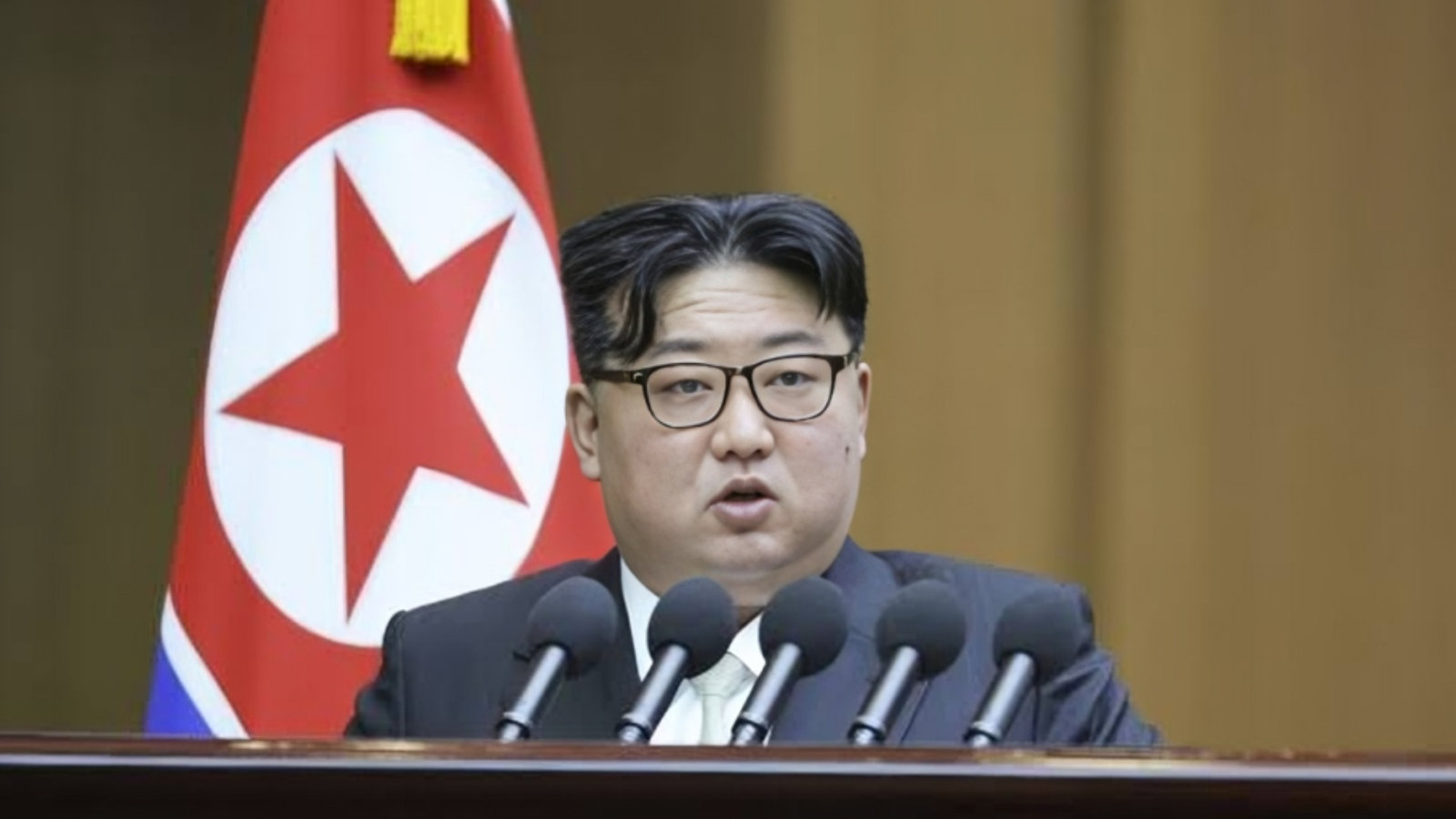
Leader Kim Jong Un personally oversaw the launches, accompanied by senior defence officials and naval commanders, per a News 18 report.
Also Read | Travelling to Europe? New biometric rules replace passport stamps
Flight duration and precision highlighted
KCNA reported that two strategic cruise missiles each flew for around 7,900 seconds, lasting over two hours. Meanwhile, the anti-warship missiles remained airborne for nearly 2,000 seconds, or about 33 minutes.
The missiles flew "along the flight orbits set in the sky above the West Sea of Korea and struck the targets with ultra-precision hit accuracy", KCNA said, referring to the Yellow Sea.
A total of two cruise missiles and three anti-ship missiles were launched. The exercise was aimed at testing the destroyer's integrated weapons command system, training crews in launch procedures, and evaluating the performance of upgraded navigation and anti-jamming systems.
Focus on naval capability expansion
The launches were carried out from the Choe Hyon, one of the two major destroyers in North Korea's fleet. The vessel forms part of a broader push by Pyongyang to enhance its naval strength. In recent months, the country has conducted multiple missile tests as it continues to develop its military capabilities.
Images released by KCNA showed a missile in its initial flight stage, with an orange flame trailing behind it. Another image captured Kim observing the test from a distance alongside naval officials.
Also Read | Hormuz blockade could cost Iran $435 million a day—here's how the losses add up
More warships and deterrence plans
KCNA said Kim was also briefed on weapons systems reportedly planned for two additional destroyers currently under construction.
He stressed the importance of strengthening the country's nuclear deterrent and called for improving both strategic and tactical strike capabilities, along with rapid-response readiness.