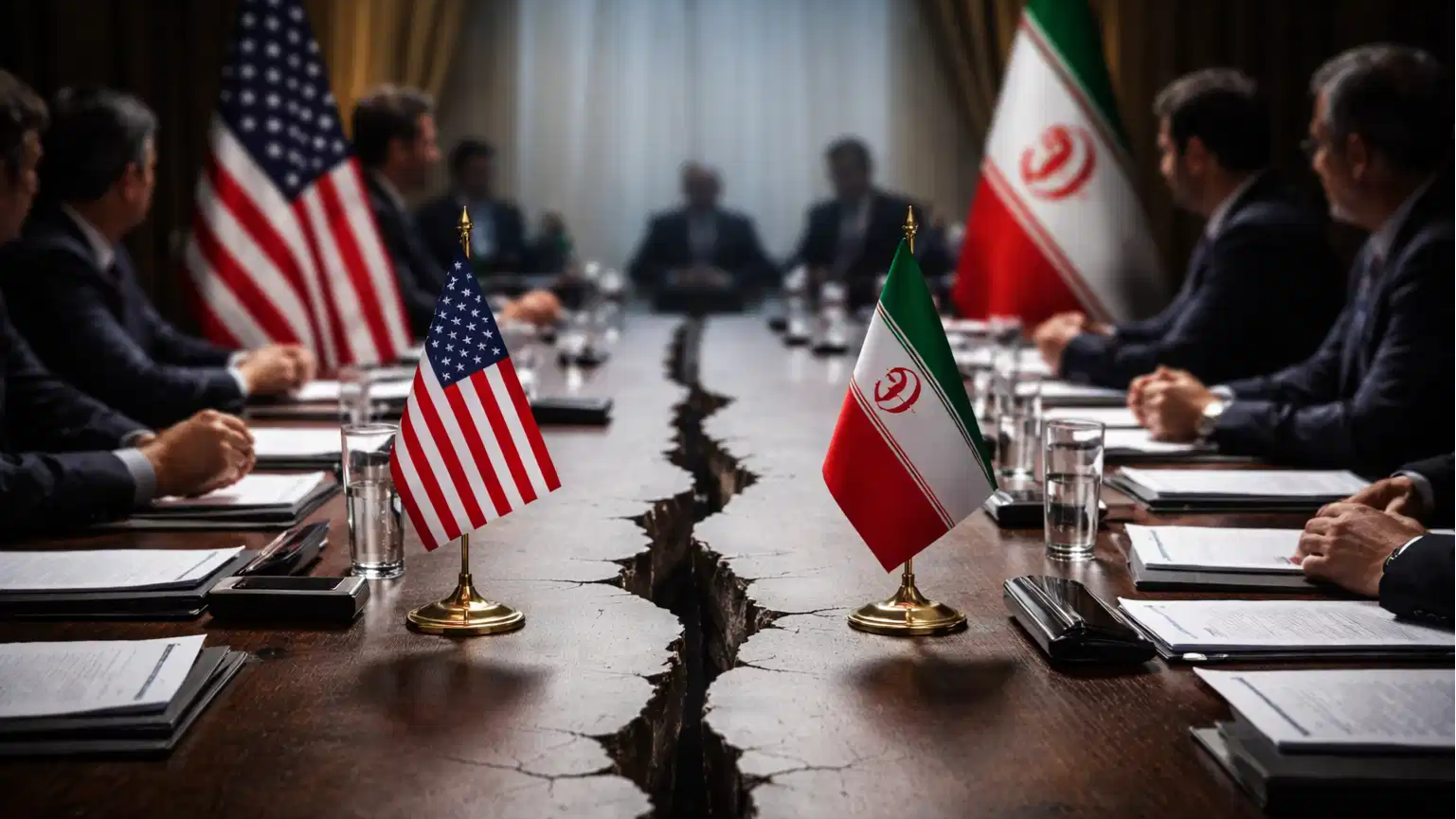
Talks between the United States and Iran in Islamabad stalled over a key issue: how long Tehran should halt its uranium enrichment. Washington proposed a 20-year freeze, while Tehran said it could agree to only five years, according to reports by The New York Times and The Wall Street Journal.
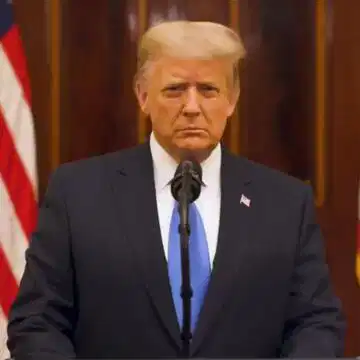
The gap highlights how far apart both sides remain despite renewed engagement. Tehran's offer of a five-year suspension was rejected by the administration of Donald Trump, which insisted on a longer timeline. The demand marks a shift from earlier calls for a permanent halt to Iran's domestic enrichment programme.
Political scientist Ian Bremmer suggested a possible middle ground, saying the two sides could settle on a twelve-and-a-half-year suspension.
First direct talks in over a decade
The Islamabad meeting was the first direct engagement between Washington and Tehran in more than ten years, and the most senior-level contact since Iran's 1979 Islamic Revolution. While the talks ended without an agreement, officials said dialogue remains open and further negotiations are being considered.
Officials told the WSJ that a second round of face-to-face discussions could take place, though no timeline has been announced.
Inside the high-stakes Islamabad talks
Negotiations took place at the Serena Hotel, where delegations were separated into different wings with a shared space for trilateral meetings involving Pakistani mediators. Phones were not allowed inside the main discussion room, forcing participants, including US Vice President JD Vance and Iranian parliamentary speaker Mohammad Baqer Qalibaf, to step out during breaks to communicate with their teams.
The discussions stretched for more than 20 hours. At one point, there was optimism about a breakthrough. "There was a strong hope in the middle of the talks that there would be a breakthrough and the two sides would reach an agreement. However, things changed within no time," a Pakistani government source said, as cited by NDTV.
Tensions rose when the focus shifted to guarantees and sanctions relief. Iranian foreign minister Abbas Araghchi questioned US assurances, saying, "How can we trust you when, in the last Geneva meeting, you said the U.S. would not attack while diplomacy was underway?"
Sticking points remain
Beyond nuclear limits, disagreements also surfaced over reopening the Strait of Hormuz and the scope of any agreement. While Washington focused on nuclear issues and maritime access, Tehran sought a broader deal, including sanctions relief.
Also Read | AI image of Trump as 'Jesus' goes viral after remarks on Pope Leo
Despite moments where negotiators were "80% there", according to one source cited by NDTV, the talks ended without resolution. Still, engagement continues. On Monday, Trump said Iran had "called this morning" and that "they'd like to work a deal".