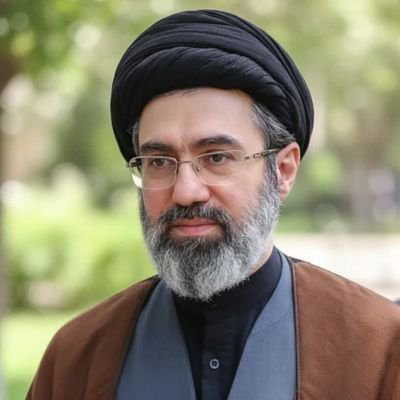
US Secretary of State Marco Rubio has said that Iran's Supreme Leader Mojtaba Khamenei is alive and appears to be taking a more active role in the country's affairs, months after reports emerged that he had been injured during a joint US-Israel attack on Iran.
Speaking before the Senate Foreign Relations Committee on Tuesday, Rubio addressed speculation surrounding Khamenei's condition and current role within the Iranian leadership.
"I think there are indications out there that he is increasingly engaging at some level," Rubio told senators.
Rubio signals Khamenei's growing involvement
Rubio's remarks are among the clearest public comments from a senior US official regarding Mojtaba Khamenei's status since the February 28 attack that reportedly left him injured. The strike also claimed the life of his father, Ali Khamenei.
While Rubio did not provide specific details about Khamenei's activities, he suggested there are signs that the Iranian leader is becoming more involved in decision-making at a time of heightened tensions in the region.
His comments come as diplomatic efforts between Washington and Tehran remain deadlocked despite a ceasefire brokered by Pakistan on April 8. The truce has faced mounting pressure in recent weeks, raising concerns about renewed instability.
US pushes for nuclear curbs and Strait of Hormuz access
During the hearing, Rubio reiterated that the United States remains open to reaching an agreement with Iran but stressed that sanctions relief would depend on major concessions from Tehran.
"There is the prospect before us, which could happen today, it could happen tomorrow, it could happen next week," Rubio said.
According to Rubio, Iran must first reopen the Strait of Hormuz and stop targeting vessels moving through the crucial shipping route.
Also Read | 'You'd be in prison if...': Trump-Netanyahu phone call turns explosive over Lebanon strikes
"They have to announce very clearly 'The straits are now open, we're not charging a toll'. We will help remove the mines that they put in there, and they will not fire on ships."
The Strait of Hormuz remains one of the world's most important energy corridors, carrying significant volumes of global oil and gas supplies.
Sanctions relief tied to uranium enrichment limits
Rubio also made it clear that any easing of US sanctions would require Iran to significantly reduce or end its uranium enrichment activities.
"They have to agree on negotiating severe and long-term limitations and/or cancellation of enrichment activity," he said.
"Iran is being sanctioned because they've highly enriched uranium, Iran is being sanctioned because of their nuclear activities, if they agree to give up those things, there will be sanctions relief."
His comments underscore Washington's position that progress on Iran's nuclear programme remains central to any future agreement between the two countries.