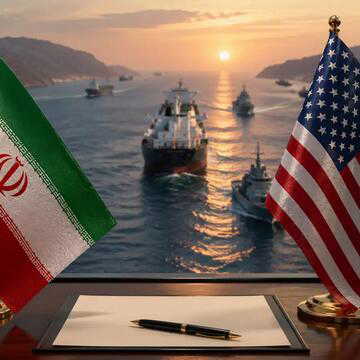
The United States has rejected a reported proposal from Iran to reopen the Strait of Hormuz under specific conditions, saying the terms are not acceptable to Washington or the broader international community.
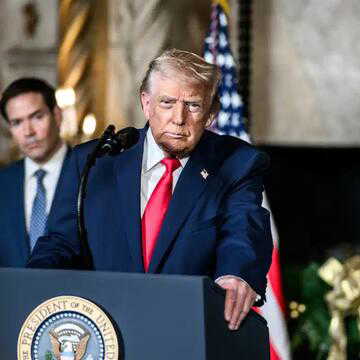
Speaking in an interview with Fox News, US Secretary of State Marco Rubio criticised Tehran's position, suggesting it contradicts established norms governing international waterways.
Also Read | Will King Charles' US visit go ahead after White House Correspondents' Dinner shooting? Trump responds
Rubio flags concerns over 'conditions'
Rubio said Iran's idea of reopening the strait appears tied to strict controls over maritime access. "What they mean by opening the straits is, yes, the straits are open, as long as you coordinate with Iran, get our permission, or we'll blow you up and you pay us," he said.
He stressed that such a framework cannot be accepted, adding that global waterways must remain accessible without restrictions imposed by a single country. "That's not opening the straits. Those are international waterways. They cannot normalise, nor can we tolerate them trying to normalise, a system in which the Iranians decide who gets to use the waterways," Rubio said.
Why the Strait matters
The Strait of Hormuz is a key global shipping corridor, especially for oil and energy supplies. Any disruption or uncertainty in the region tends to impact international markets and raises concerns among major economies.
According to a report by Axios, Iran conveyed its proposal to the United States through Pakistan. The proposal reportedly suggested easing maritime restrictions and restoring shipping activity before moving on to more complex negotiations, including nuclear issues.
Talks remain stalled
At the same time, the second round of talks between the two sides in Pakistan has reached an impasse. Officials from both countries continue to differ on several key points.
Also Read | Gunfire at DC dinner: Man charged with attempt to assassinate US president
Iranian Foreign minister Abbas Araghchi indicated to mediators that there is no unified position within Iran on how to respond to US demands. The lack of internal consensus has slowed progress, leaving negotiations uncertain for now.