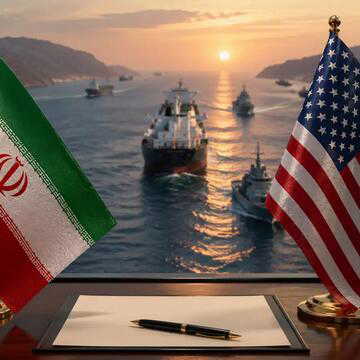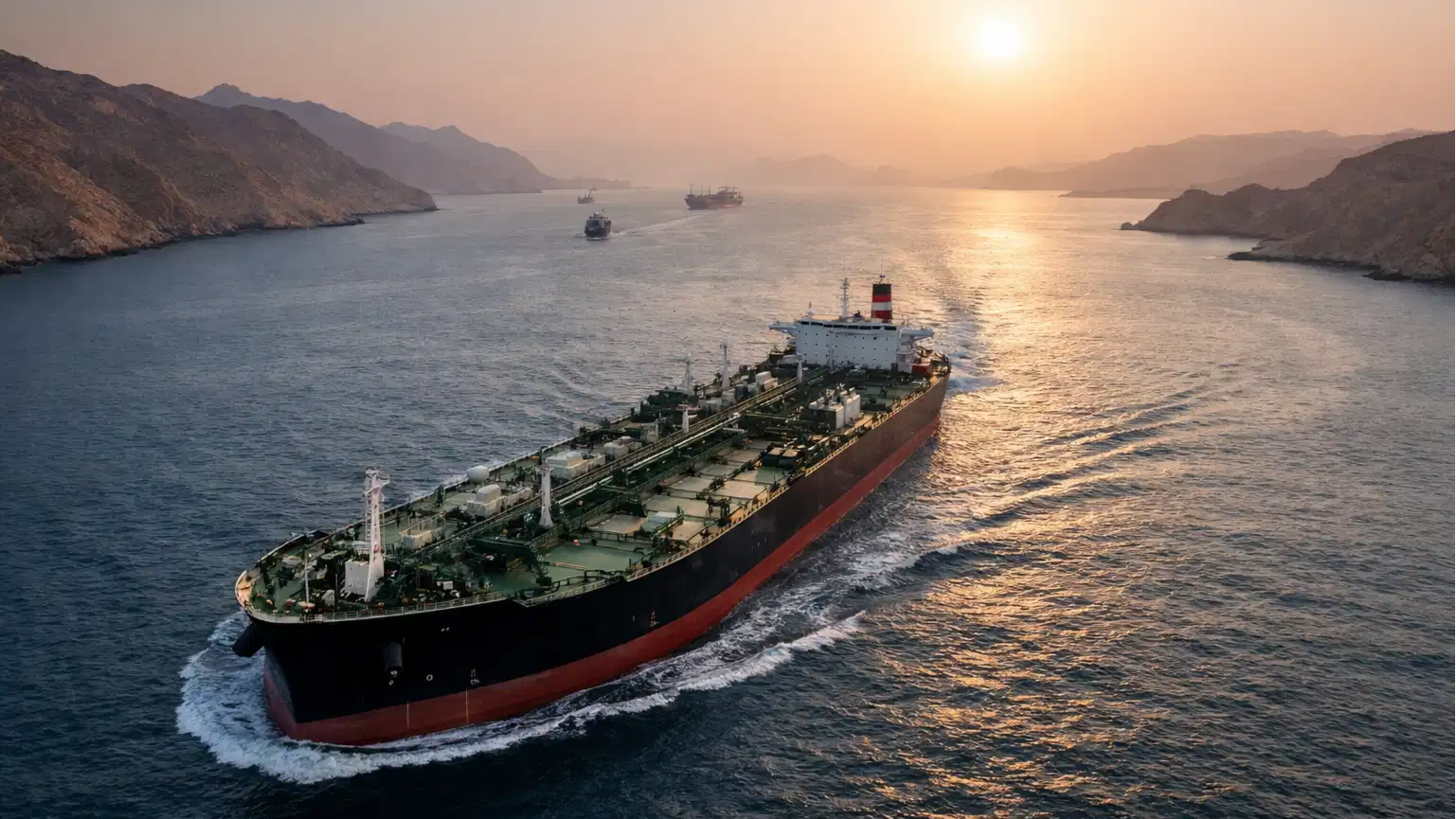
The first Liquefied Natural Gas (LNG) shipment has crossed the Strait of Hormuz since the outbreak of conflict in West Asia earlier this year. The development comes as a fragile ceasefire between United States and Iran appears to be holding for now.
Ship-tracking data shows that the vessel 'The Mubaraz' was spotted near India on Monday. The LNG cargo had been loaded in March from a facility operated by Abu Dhabi National Oil Company at Das Island in the United Arab Emirates. The ship had remained stranded in the Gulf region following the escalation of hostilities.
Also Read | Global nuclear rankings 2026: Who leads the world in 2026 and where India stands
Vessel movement signals possible easing
According to tracking data, 'The Mubaraz' stopped transmitting its signal around March 31 and only reappeared near Indian waters this week. Its movement is being seen as a possible indication of easing tensions in one of the world’s most critical energy corridors.
The vessel is currently headed towards China and is expected to arrive in the second half of May.
Why the Strait matters
The Strait of Hormuz plays a vital role in global energy supply, handling roughly one-fifth of the world's LNG shipments. The situation escalated when Iran halted ship movements through the route, while the United States imposed a blockade on Iranian-linked shipping activity.
The disruption effectively slowed traffic in the region, impacting global energy markets and raising concerns over supply chains.
Uncertain access and ongoing risks
On April 17, Iran briefly declared the Strait of Hormuz "fully open" to commercial traffic following a ceasefire in Lebanon. Donald Trump acknowledged the development, though the US maintained its naval restrictions.
The relief was short-lived. Within a day, Tehran reinstated curbs, citing ongoing tensions and alleged violations. Ships attempting to cross reportedly faced warnings or actions from the Islamic Revolutionary Guard Corps.
Shipping activity remains limited, with far fewer vessels transiting daily than usual. Risks continue to include potential attacks, high insurance costs and the need for coordination with Iranian authorities.
Also Read | Has Iran offered a new deal to the US? Here are the 3 key points
Iran has also introduced an informal "pay-to-pass" system, reportedly charging between $1 million and $2 million per vessel for safe transit. Movement through the corridor appears selective, with some ships, particularly those linked to non-Western countries, allowed to pass under controlled conditions.