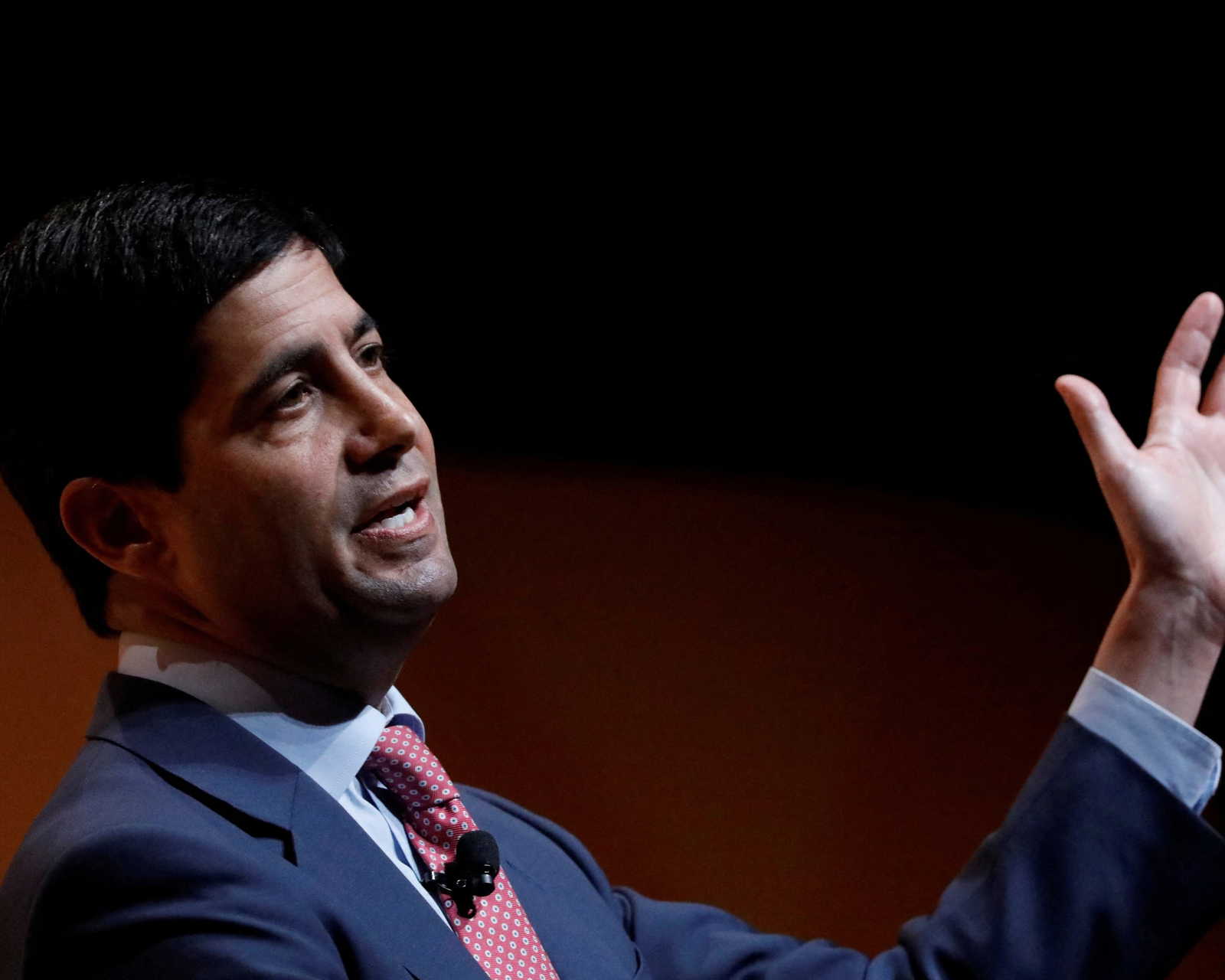
US President Donald Trump on Friday named Kevin Warsh as the new chair of the Federal Reserve. Warsh will be replacing Jerome Powell as the head of the body.
The decision follows a process that formally began last summer. In reality, it had been building for years. Trump has openly criticised the Powell-led Federal Reserve almost since Powell took office in 2018, CNBS reported.
Who is Kevin Warsh?
Kevin Warsh, 55, served as a Federal Reserve Governor from 2006 to 2011. At the time of his appointment, he was just 35, making him the youngest Fed governor in history, AP reported.
Warsh is also close to Donald Trump and has advised the president on economic policy, according to Bloomberg. Before his time at the Federal Reserve, he worked as an economic advisor in the George W. Bush administration and spent part of his career on Wall Street, the Wall Street Journal reported.
Announcing the move on Truth Social, Donald Trump said, "I have known Kevin for a long period of time, and have no doubt that he will go down as one of the GREAT Fed Chairmen, maybe the best."
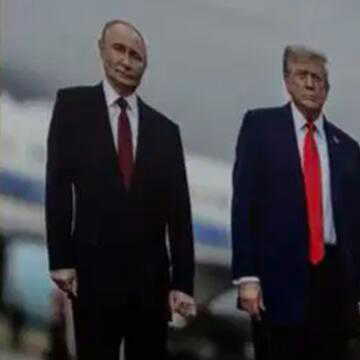
Also Read | Donald Trump hangs photo of himself with Vladimir Putin in White House - Here's what we know
Warsh is currently a fellow at the Hoover Institution and teaches at the Stanford Graduate School of Business. He was among the final two candidates in 2017, when Trump eventually chose Jerome Powell. This year, his return to the shortlist made him the only candidate to feature twice.
Challenges for Warsh
Powell's term as Fed chair ends in May this year. However, he is not required to step down from the Federal Reserve's Board of Governors until 2028, according to Reuters.
Even if the Senate confirms Warsh, cutting interest rates will not be easy for him. The Fed chair is only one voice on the central bank's 19-member rate-setting panel. Of these, 12 members vote on every interest rate decision, NDTV reported.
The committee itself is divided. Some officials are worried inflation is still sticking around and want rates to stay where they are. Others point to rising unemployment and fear the economy is slowing. They believe lower rates are needed to support growth and hiring.