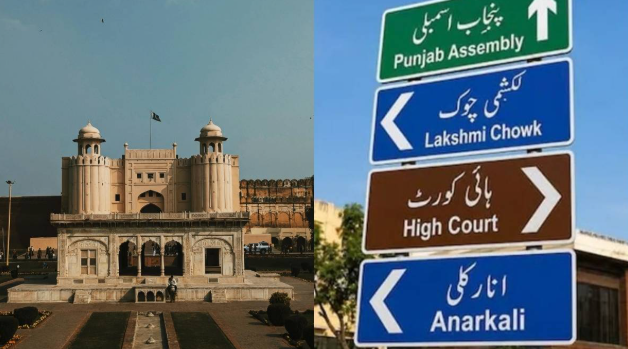
Nearly eighty years after Partition, Pakistan’s Punjab government has launched an ambitious drive to restore several historic pre-Partition names across Lahore and nearby areas, signalling a major shift in how the country approaches its cultural and historical identity.
According to officials quoted by PTI, the move was approved during a Punjab cabinet meeting chaired by Chief Minister Maryam Nawaz and is being implemented under the Lahore Heritage Areas Revival Project led by former Prime Minister Nawaz Sharif.
Also Read | Is Iran planning a bounty on Trump and Netanyahu? Here's all we know
The restoration of names
For decades, many of Lahore’s roads, chowks and neighbourhoods carried names linked to Pakistan’s post-Partition Islamic identity. Under the new initiative, however, some of the city’s oldest names associated with Hindu, Sikh, Jain and colonial heritage are now being revived.
Among the most notable changes is the proposed restoration of Krishan Nagar, which had been renamed Islampura after partition. Over the past two months, at least nine locations have already reverted to their earlier names, while several others are expected to undergo the same. Official signboards in some parts of Lahore have already begun reflecting the restored identities.
The list of restored or proposed names includes Sunnat Nagar reverting to Sant Nagar, Maulana Zafar Ali Khan Chowk becoming Lakshmi Chowk, Mustafaabad returning to Dharampura, and Babri Masjid Chowk being renamed Jain Mandir Chowk. Other changes include Rehman Gali reverting to Ram Gali, Hameed Nizami Road becoming Temple Street, Nishtar Road changing back to Brandreth Road, and Fatima Jinnah Road returning to Queens Road.
Additional re-naming including Sir Aga Khan Chowk to Davis Road, Allama Iqbal Road to Jail Road, Bagh-e-Jinnah to Lawrence Gardens, Ghaziabad to Kumharpura, Jeelani Road to Outfall Road, and Shahrah-i-Abdul Hameed bin Badees reverting to Empress Road.
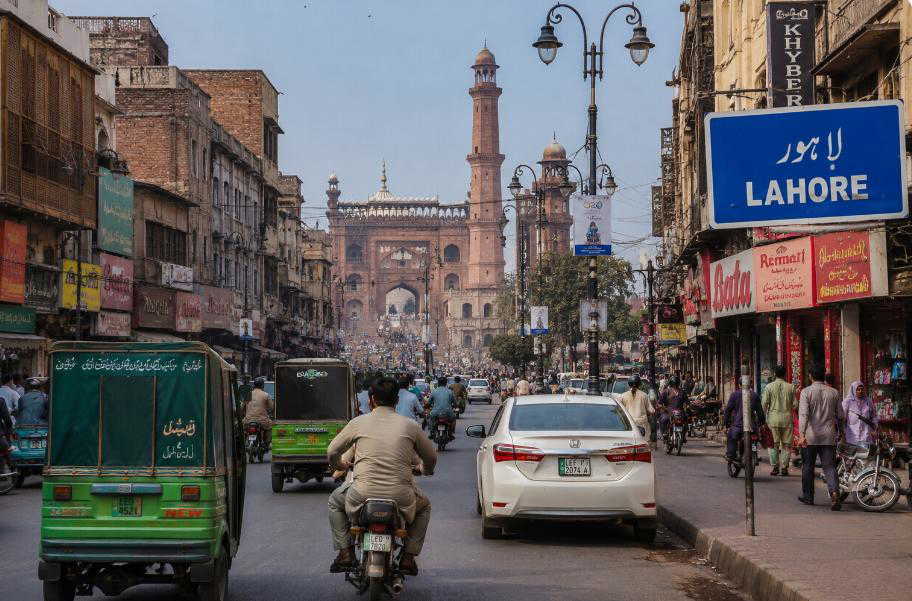 several street names of Lahore are being changed Ai Genarated
How this initiative started
The renaming campaign forms part of the larger Lahore Heritage Area Revival (LHAR) project, reportedly worth 50 billion Pakistani rupees. The initiative, launched in 2025 by Nawaz Sharif and his daughter Maryam Nawaz, aims to restore Lahore’s architectural and cultural heritage after decades of urbanisation, neglect and ideological rewriting.
Officials argue that Pakistan should preserve the historical character of its cities in the same way many European nations do. The project is also expected to boost heritage tourism and generate revenue.
Also Read | Xi Jinping hosts ‘old friend’: Putin’s 25th China trip puts spotlight on growing Russia-China ties
Restoration of other places
As part of the revival effort, Nawaz Sharif has also proposed restoring three historic cricket grounds and a traditional akhara (wrestling arena) at Minto Park, now known as Greater Iqbal Park. The move is being viewed by many as an attempt to address criticism surrounding the demolition of historical cricket clubs and wrestling spaces during the tenure of current Prime Minister Shehbaz Sharif as Punjab chief minister in 2015.
Several prominent cricketers, including former Pakistan captain Inzamam-ul-Haq, trained at these clubs. Before Partition, Indian cricket legend Lala Amarnath also practised there and revisited Minto Park during India’s 1978 tour of Pakistan.
Observers believe the restoration drive also serves a broader diplomatic purpose. By reviving old Hindu, Sikh, Jain and colonial-era names, Pakistan appears keen to project an image of cultural inclusivity and moderation to the global community amid long-standing scrutiny over extremism, minority rights and terror financing concerns. Analysts suggest the initiative may also help reassure foreign investors and international institutions such as the IMF that Pakistan is working towards presenting itself as a more stable and tolerant society.