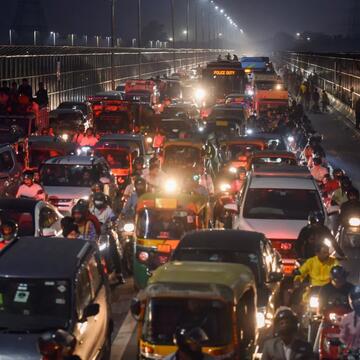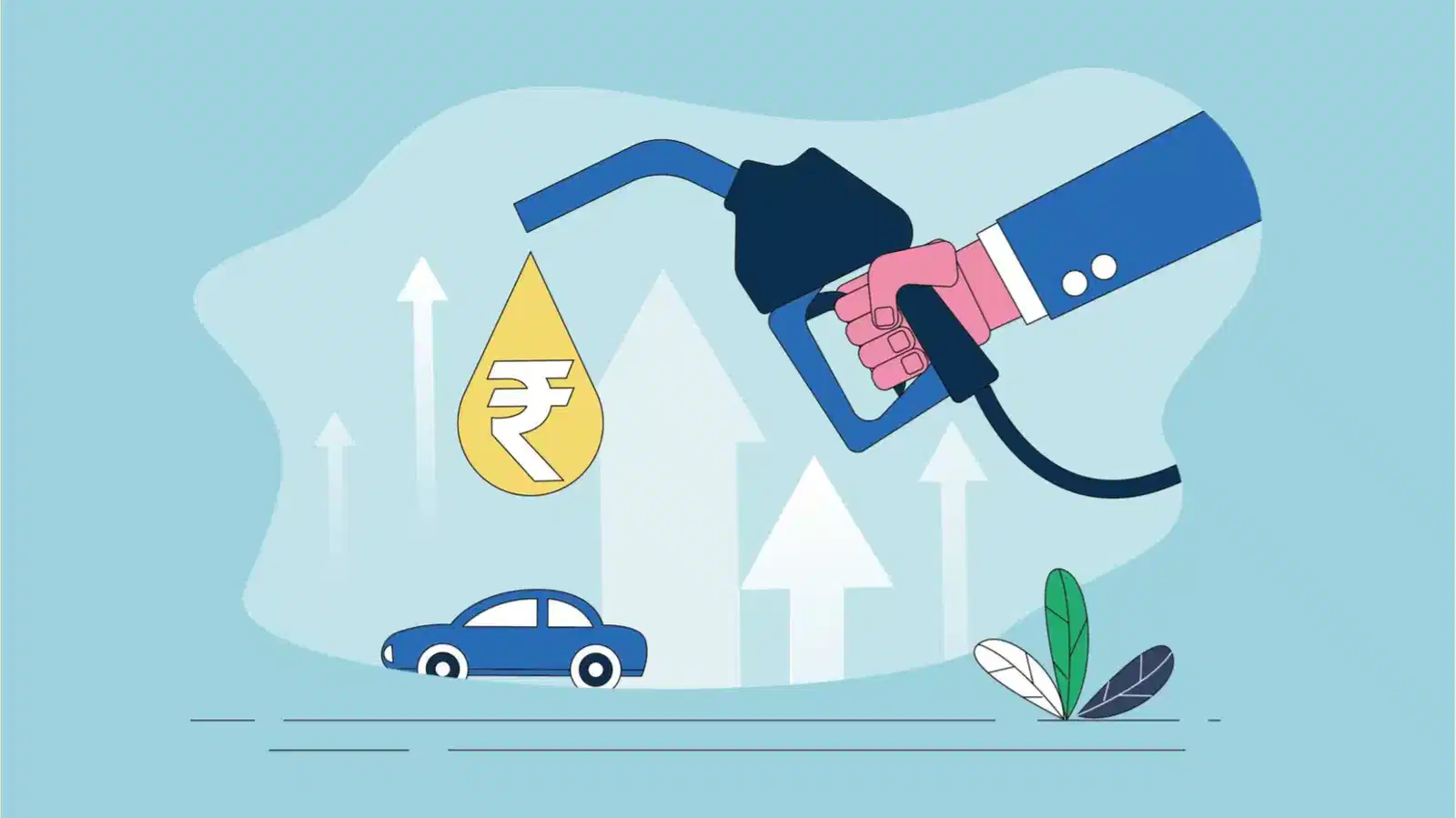
The latest rise in the price of fuel in India is going to lead to a chain reaction in the coming weeks.
The state-owned oil marketing firms on Tuesday raised the prices of petrol and diesel by 89 paise per litre, making it the second consecutive price rise in less than a week following Friday's rise of ₹3 per litre. The total rise in fuel prices stands at almost ₹4 per litre in just over six days.
As much as the impact of the price rise can be seen immediately at the petrol pump, economists feel that its wider implications will gradually start showing.
Also Read | Delhi witnesses heavy traffic congestion during summit rehearsal at Bharat Mandapam
Daily travel and app-based rides may get more expensive
One of the first sectors expected to feel the pressure is urban transportation.
Ride-hailing services and delivery platforms such as Uber, Ola, Rapido, Swiggy and Zomato operate on tight fuel-dependent margins.
Industry observers say surge pricing, delivery charges and convenience fees could rise gradually if fuel prices remain elevated.
For commuters taking two cab rides daily, even a ₹10–15 increase per trip could significantly raise monthly transport expenses.
Bike taxi and two-wheeler delivery services are considered especially vulnerable because most rely heavily on petrol-powered vehicles.
Groceries and food prices likely to rise next
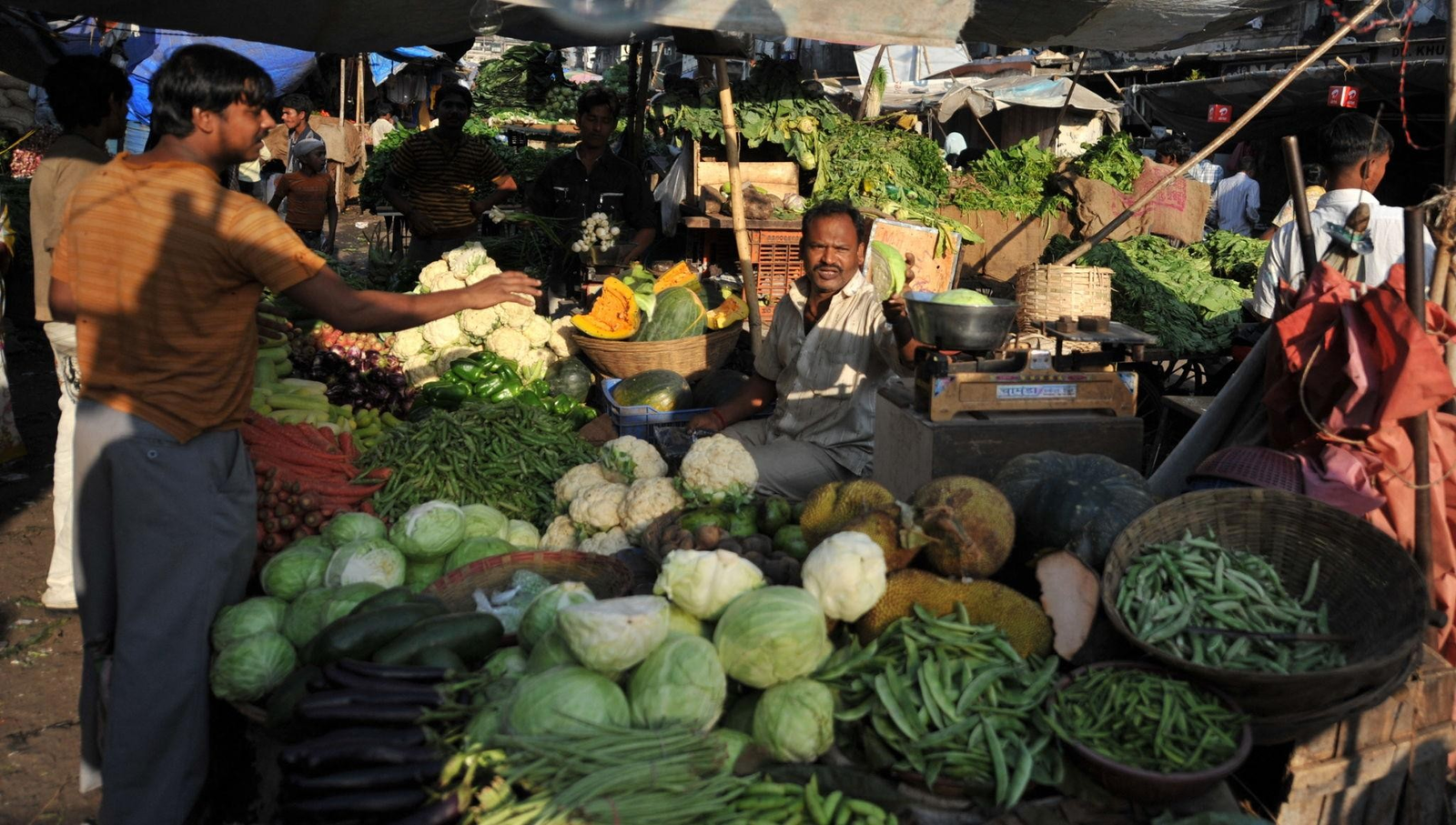
The impact on vegetables, fruits and dairy products is expected to become visible quickly because perishables depend on overnight diesel-based transportation. Transport operators often revise freight charges soon after fuel hikes, with the increase eventually moving through wholesalers, retailers and local markets.
 X
X Products such as tomatoes, onions, potatoes, leafy vegetables and fruits may see faster price adjustments because sellers are less willing to absorb higher transport costs for highly perishable goods.
Milk collection and dairy logistics are also fuel-intensive operations. Diesel powers village collection routes, refrigerated transport and processing units used for products such as butter, paneer, cheese and curd.
While dairy companies may initially absorb part of the increase, analysts expect eventual revisions if fuel prices stay high.
Flights, online deliveries and FMCG goods under pressure
The aviation sector is also expected to face mounting pressure as aviation turbine fuel prices move alongside global crude trends.
Fuel accounts for nearly 30–40 per cent of airline operating costs in India. Industry experts say airlines may initially avoid sharp fare increases to protect passenger demand, but sustained oil volatility could eventually raise ticket prices, especially during peak travel periods.
Meanwhile, e-commerce and quick-commerce platforms such as Blinkit and Zepto may also experience higher logistics expenses due to diesel-powered warehousing and freight operations.
Large FMCG companies are already flagging concerns over rising transport and distribution costs. Instead of immediate price hikes, companies may choose smaller product quantities, reduced discounts or gradual pricing revisions.
The wider inflation impact
Fuel prices affect much more than just transport vehicles. Fuel such as diesel is used to power tractors, irrigation pumps, construction equipment, freight trucks, and back-up generators used by industries, hospitals, office buildings and small businesses.
Also Read | All-India chemist strike on May 20: Will medicine stores remain open in your city?
This means the effects might ultimately trickle down to agriculture, manufacturing, construction and retail prices within the next couple of months. Economists argue that the inflationary effects of fuel price hikes usually become evident gradually rather than instantly, taking about two to three months to manifest through increased freight and production costs.
This is especially so following an increase in CNG prices by ₹2 per kg in many Indian cities, putting additional strain on taxis and auto rickshaw owners. With crude oil prices continuing to be volatile against the backdrop of ongoing tensions in West Asia, economists argue that the effects of the current price hikes will not be fully felt until July and August.