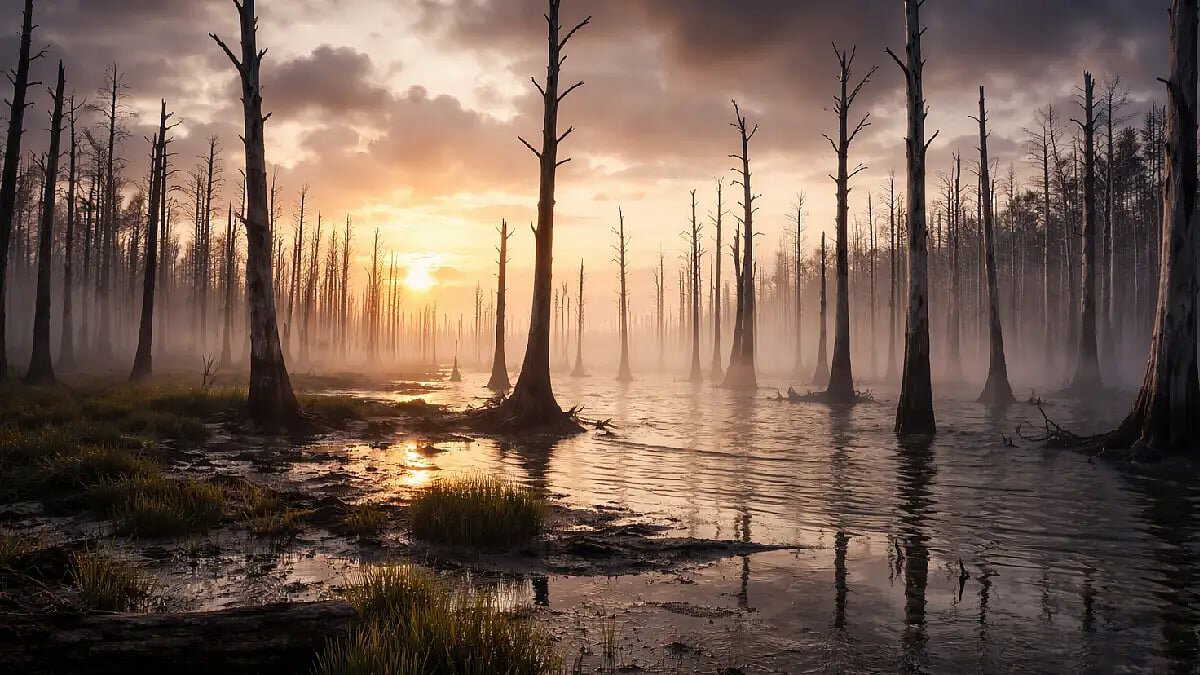
Once green and full of life, these forests now stand dry and lifeless. Known as “ghost forests,” they are increasing along the eastern coast of the United States. Scientists link this change to rising sea levels, where saltwater enters the soil and slowly kills trees.
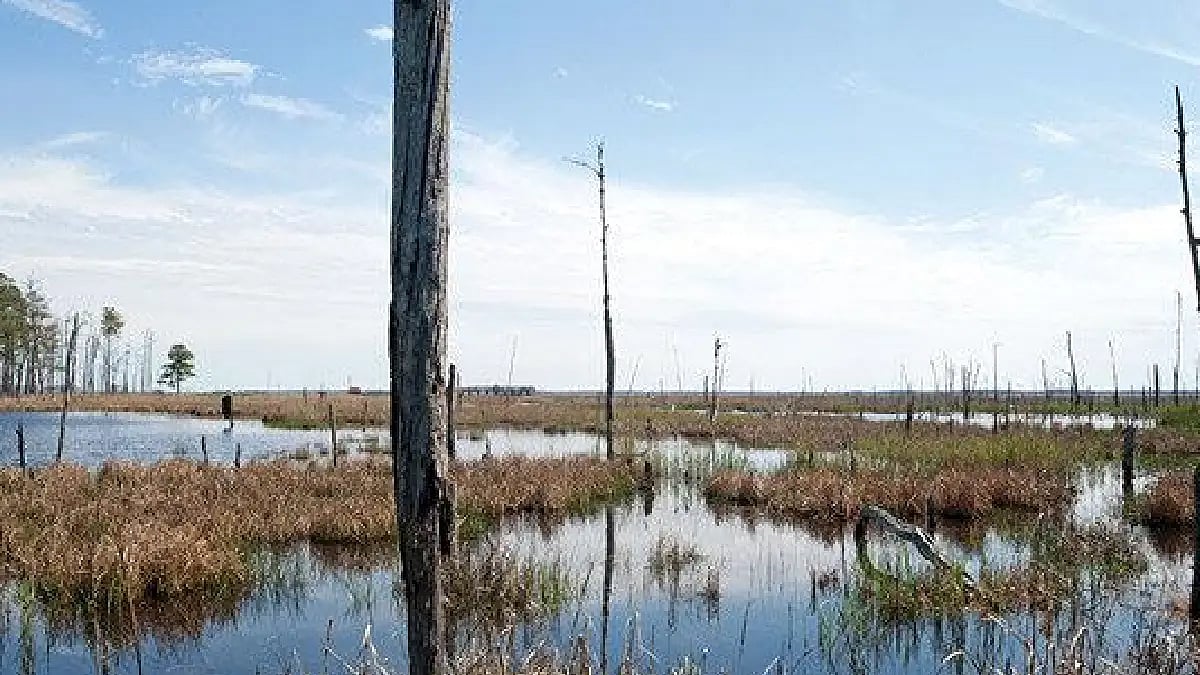
Researchers from the University of Delaware present their findings at the American Chemical Society Spring Meeting 2026. They describe these forests as “natural laboratories” to understand future environmental changes.
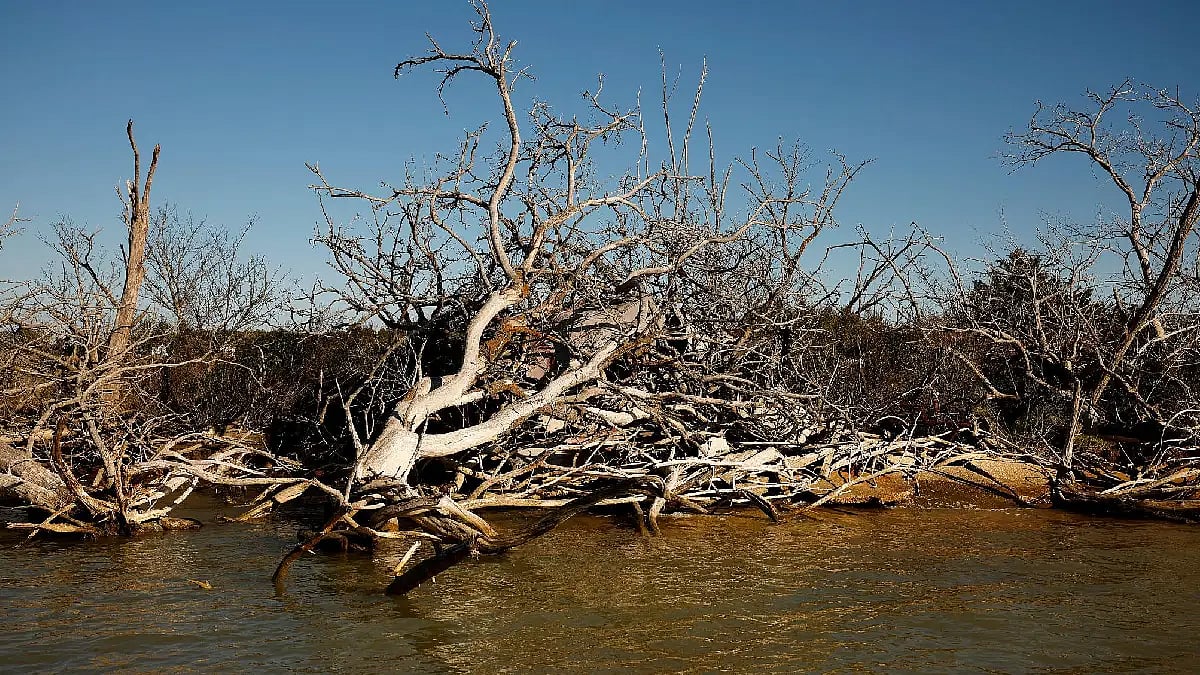
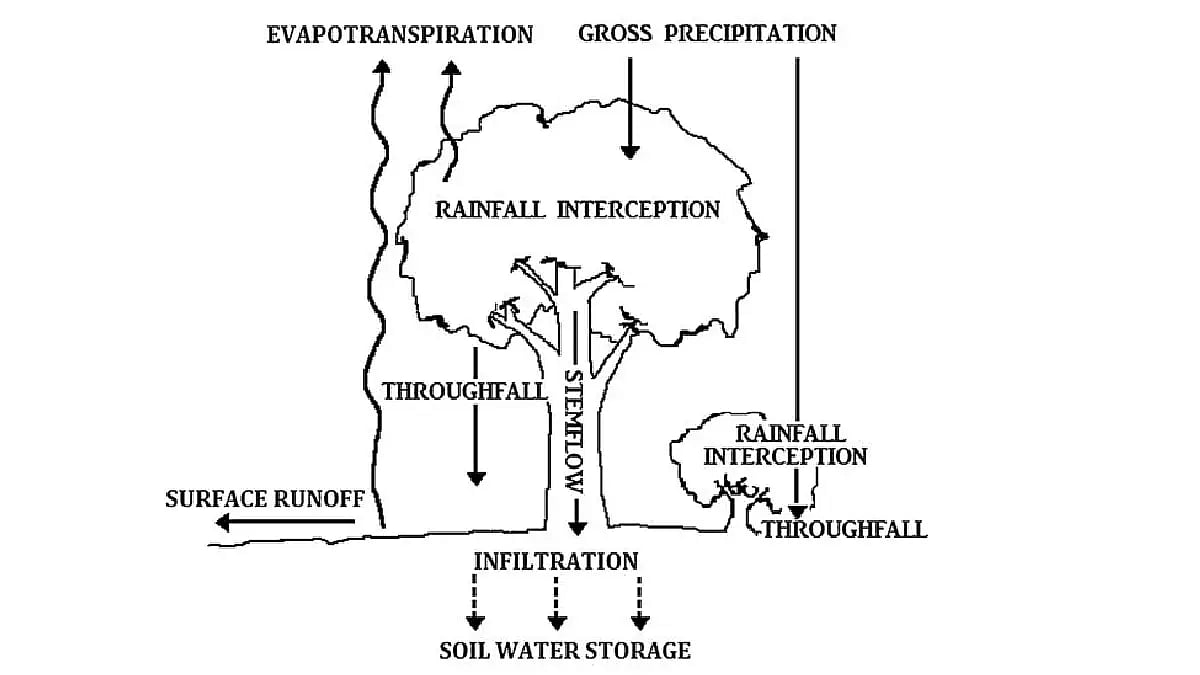
In these forests, only grey trunks remain. The greenery is gone. The soil is slowly changing. Scientists study a process called stemflow. It is the flow of rainwater down tree trunks, carrying nutrients into the soil. In healthy forests, this process supports life underground.
Also Read | ‘No Kings’ protests sweep US: Why thousands took to streets against Trump on March 28
But in ghost forests, things are different. Dead and diseased trees act like “sponges.” They absorb rainwater and stop it from reaching the ground. This cuts off nutrients and carbon supply to the soil.
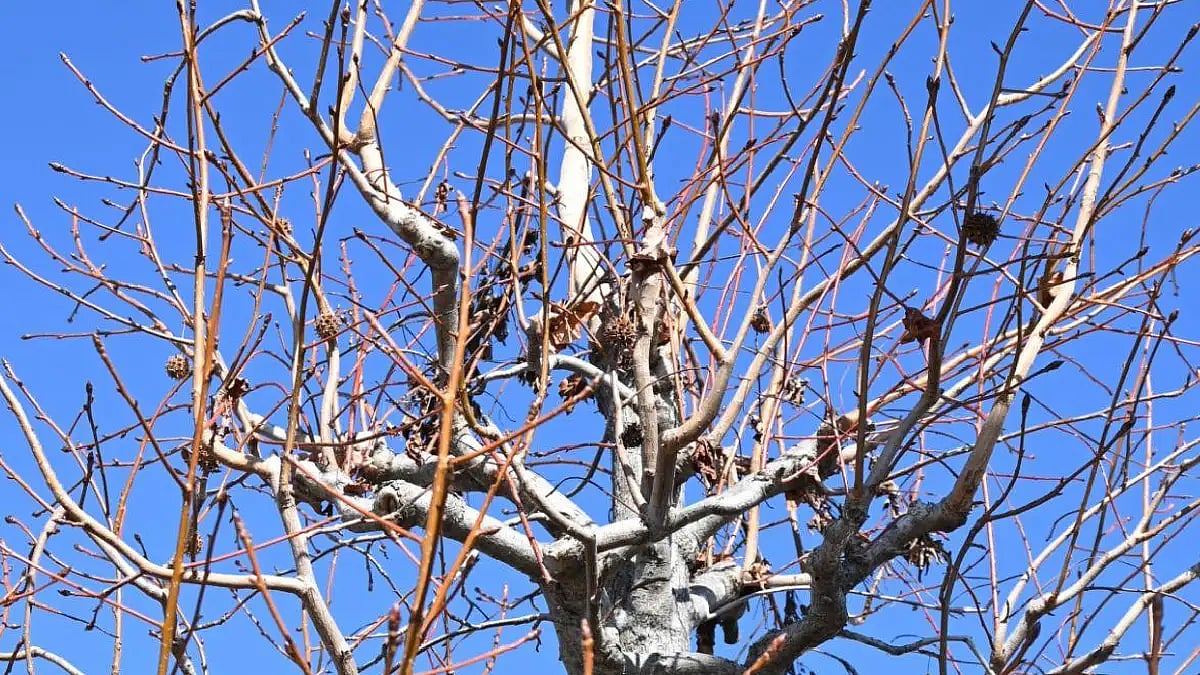
But in ghost forests, things are different. Dead and diseased trees act like “sponges.” They absorb rainwater and stop it from reaching the ground. This cuts off nutrients and carbon supply to the soil.
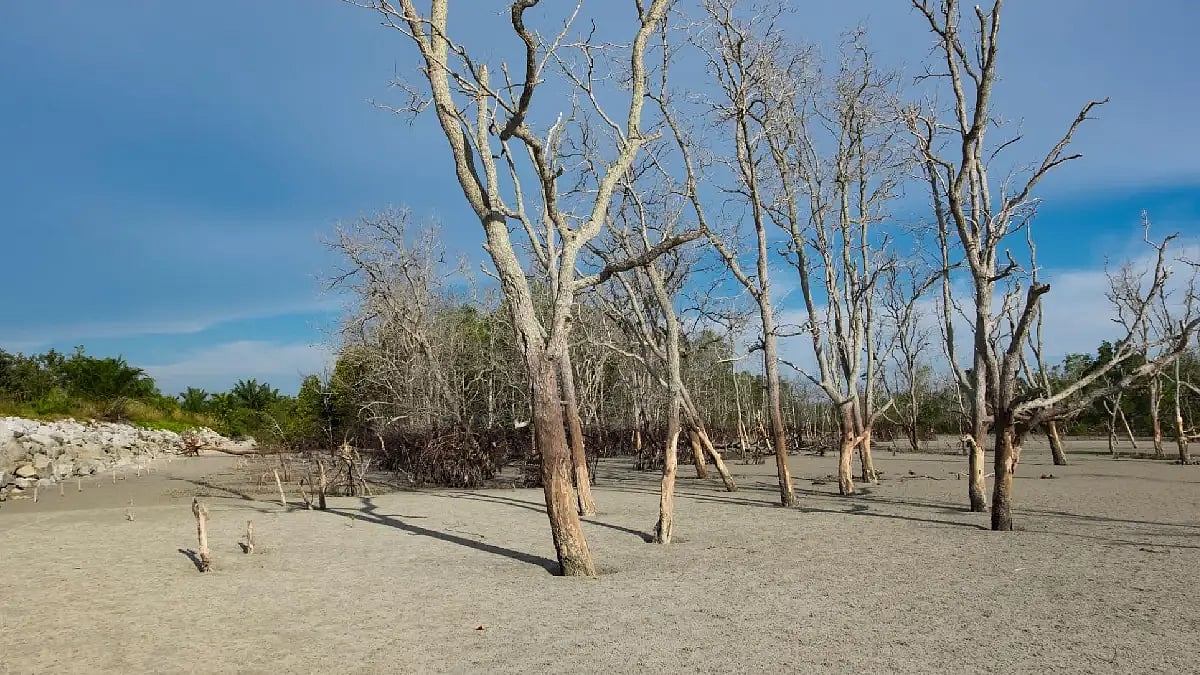
Researcher Yu-Ping Chin says this change is affecting moss, small plants, and microorganisms. Soil fertility is declining. The forest’s ability to store carbon is also reducing.
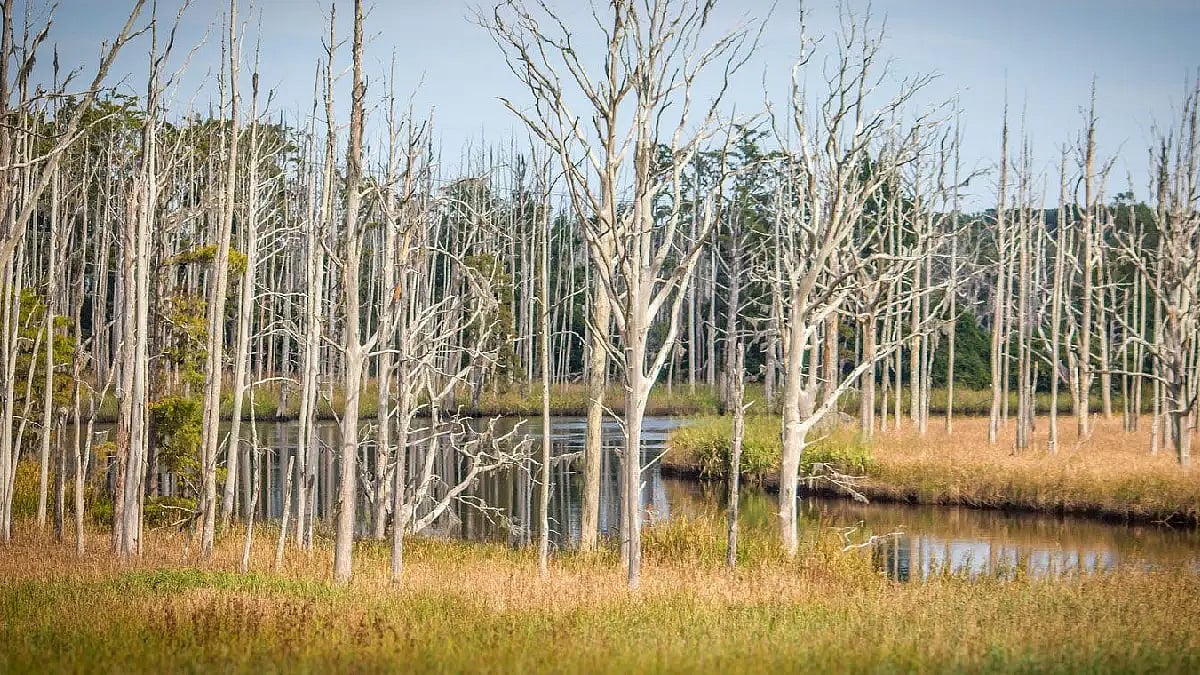
Another finding shows that water from dying trees contains more sugar than normal. This disrupts the balance of bacteria and fungi in the soil.
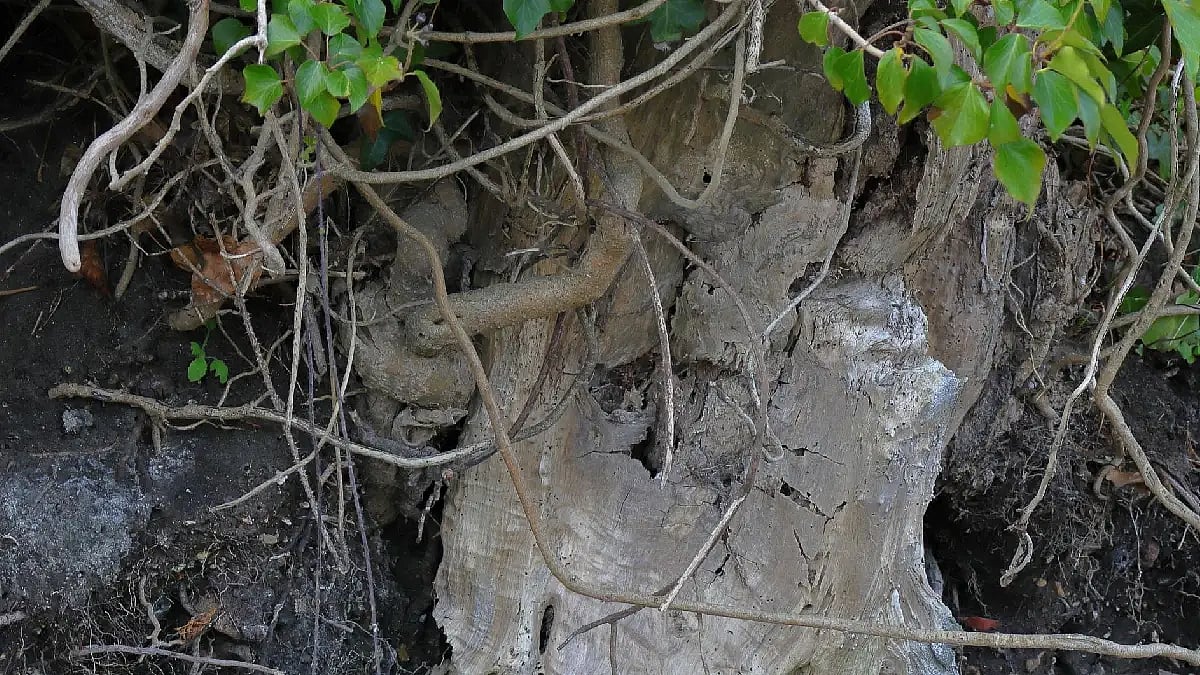
These forests are not just dead landscapes. They are signals. Coastal forests are important for storing carbon. Their loss can increase carbon in the air and speed up climate change.
At the same time, scientists believe these ghost forests show which ecosystems are at risk. They may help find ways to protect forests in the future. In these silent, lifeless spaces, researchers are finding important clues about the planet’s changing environment.