Russia is set to stop exporting gasoline from April 1 as part of a strategy to ensure fuel availability in the country and control prices as the global energy market remains volatile due to the ongoing US-Iran conflict.
The decision to impose an export ban on gasoline comes as a result of a high-level review meeting held under the chairmanship of Deputy Prime Minister Alexander Novak, as announced by the Government of the Russian Federation.
Also Read | White House’s cryptic posts go viral, reversed audio hints at ‘big announcement tomorrow’
The export ban is intended to serve the domestic market at a time when international oil and petroleum product prices are experiencing huge fluctuations due to geopolitical issues in West Asia. Novak said while the global situation is becoming volatile, the demand for Russia’s exports remains high.
Focus on domestic price stability
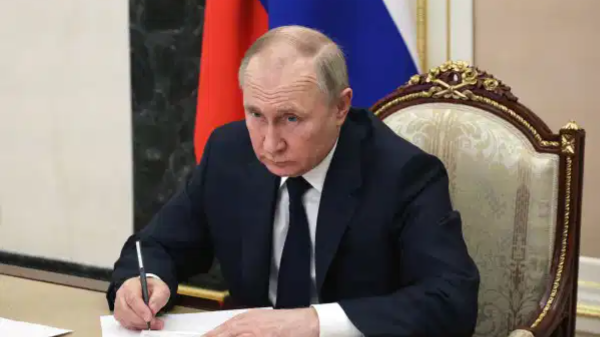
The move aligns with a broader directive from Russian President Vladimir Putin, who has emphasised keeping domestic fuel prices within forecasted levels.
“Particular attention was paid to the objective set by the Russian President of preventing domestic fuel prices from rising above forecasts,” the government said in its statement.
The Russian Ministry of Energy informed the meeting that refinery output remains stable, in line with March 2025 levels, ensuring adequate supply of petroleum products in the domestic market.
Industry participants also confirmed sufficient reserves of gasoline and diesel, along with high refinery utilisation rates to meet internal demand. Following the review, Novak instructed the Ministry of Energy to prepare a formal resolution enforcing the export ban starting April 1, 2026.
Global tensions ripple into energy markets
This comes at a time when the ongoing conflict between the US and Iran has affected the global energy supply chains, leading to increased crude oil prices.
Market analysts have also pointed to increased volatility in oil prices, citing the fear of increased tensions that may impact crude oil supply and lead to inflation in major economies.
Also Read | Former Nepal PM KP Sharma Oli arrested over Gen Z protest crackdown: Here's what happened?
India has also been closely watching the situation. The Ministry of Petroleum and Natural Gas earlier said the country has adequate fuel reserves and that supplies of crude oil, petrol, diesel and LPG remain stable despite global disruptions.
During a recent meeting, the ministry stated that the country has secured crude oil supply for the next two months. In addition, refineries are running at full or higher capacity, while LPG production has increased by 20%.