The ongoing conflict between Iran and the US-Israel alliance has entered its fourth week, with tensions continuing to escalate and no clear signs of de-escalation. On Sunday, Israel said Iranian missiles struck Dimona, home to its primary nuclear facility, and Arad, leaving around 180 people injured.
Iran later confirmed the strikes, describing them as retaliation for an earlier attack on the Natanz nuclear facility.
Trump issues fresh ultimatum
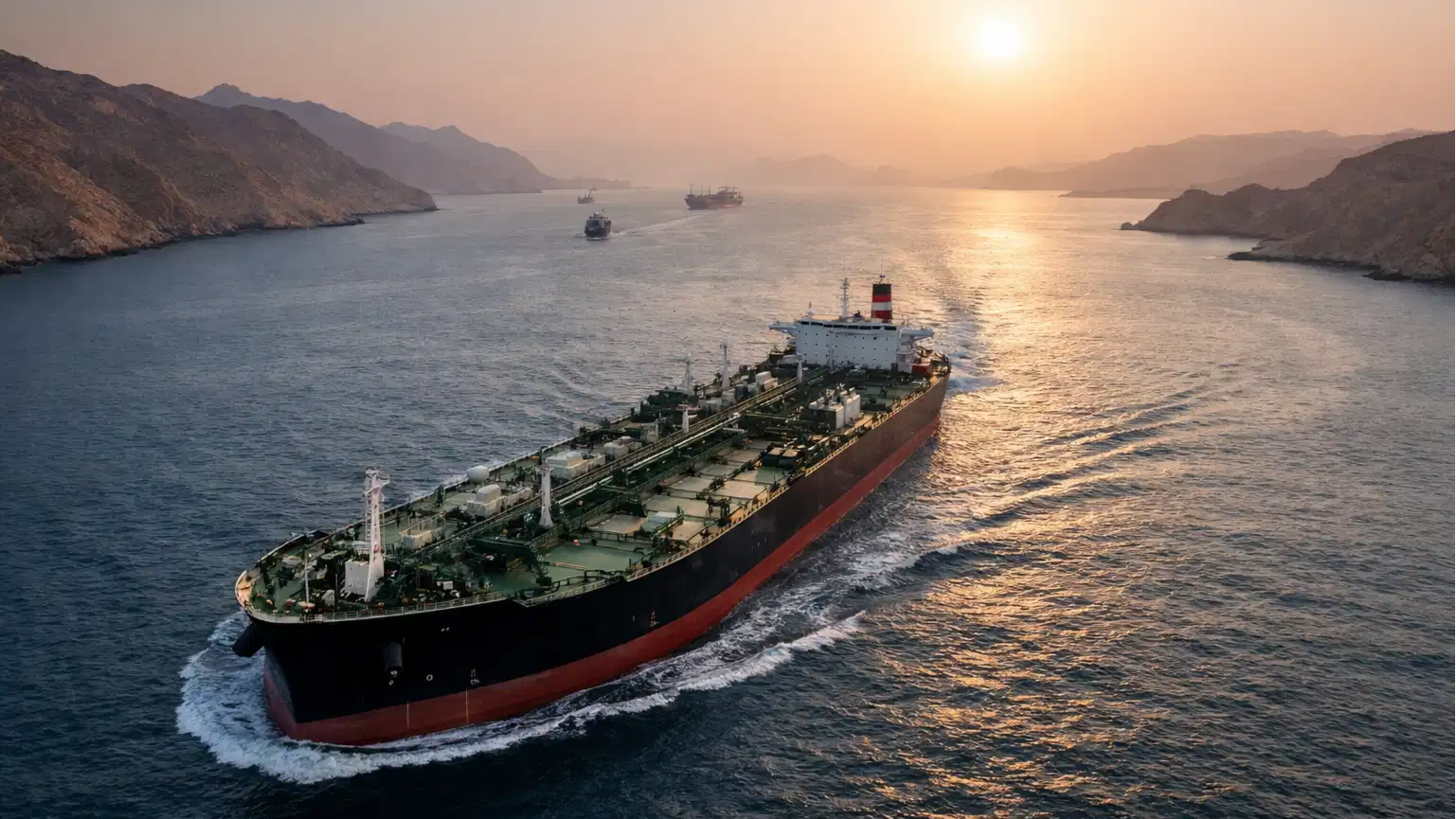
Amid rising hostilities, US President Donald Trump issued a sharp warning to Iran on Sunday morning, calling for the immediate reopening of the Strait of Hormuz, a critical global shipping route that carries nearly a quarter of the world's seaborne oil.
"If Iran doesn't fully open, without threat, the Strait of Hormuz within 48 hours from this exact point in time, the United States of America will hit and obliterate their various power plants, starting with the biggest one first…," Trump wrote on Truth Social.
Also Read | ‘Will hit and obliterate’: Trump issues 48-hour ultimatum to Iran if Strait of Hormuz is not reopened
The statement adds pressure on Washington's role in the conflict, with global markets closely watching developments around the key maritime corridor.
Iran responds with counter-warning
Iran responded strongly, warning that any attack on its infrastructure would trigger wider retaliation across the region. In an official statement, it said that "all energy, information technology, and desalination infrastructure belonging to the US and the Israeli regime in the region" would be targeted if its own facilities come under attack.
President Masoud Pezeshkian also weighed in, signalling a hardened stance. Posting on X, he said threats would not weaken Iran’s position.
"The illusion of erasing Iran from the map shows desperation against the will of a history-making nation. Threats and terror only strengthen our unity. The Strait of Hormuz is open to all except those who violate our soil. We firmly confront delirious threats on the battlefield," he said.
The illusion of erasing Iran from the map shows desperation against the will of a history-making nation. Threats and terror only strengthen our unity. The Strait of Hormuz is open to all except those who violate our soil. We firmly confront delirious threats on the battlefield.
— Masoud Pezeshkian (@drpezeshkian) March 22, 2026
Earlier, Iranian Parliament speaker Mohammad Bagher Ghalibaf echoed a similar warning, stating that if Iran's infrastructure is hit, key facilities across the region would be considered legitimate targets and "irreversibly destroyed".
Also Read | ‘Will never forget your kindness’: Iran thanks India for support during war
India calls for stability
Meanwhile, amid the growing crisis, Prime Minister Narendra Modi spoke with Pezeshkian on Saturday, expressing concern over attacks on critical infrastructure. He stressed the importance of keeping global trade routes open and secure, underlining the need to maintain uninterrupted shipping through vital corridors like the Strait of Hormuz.