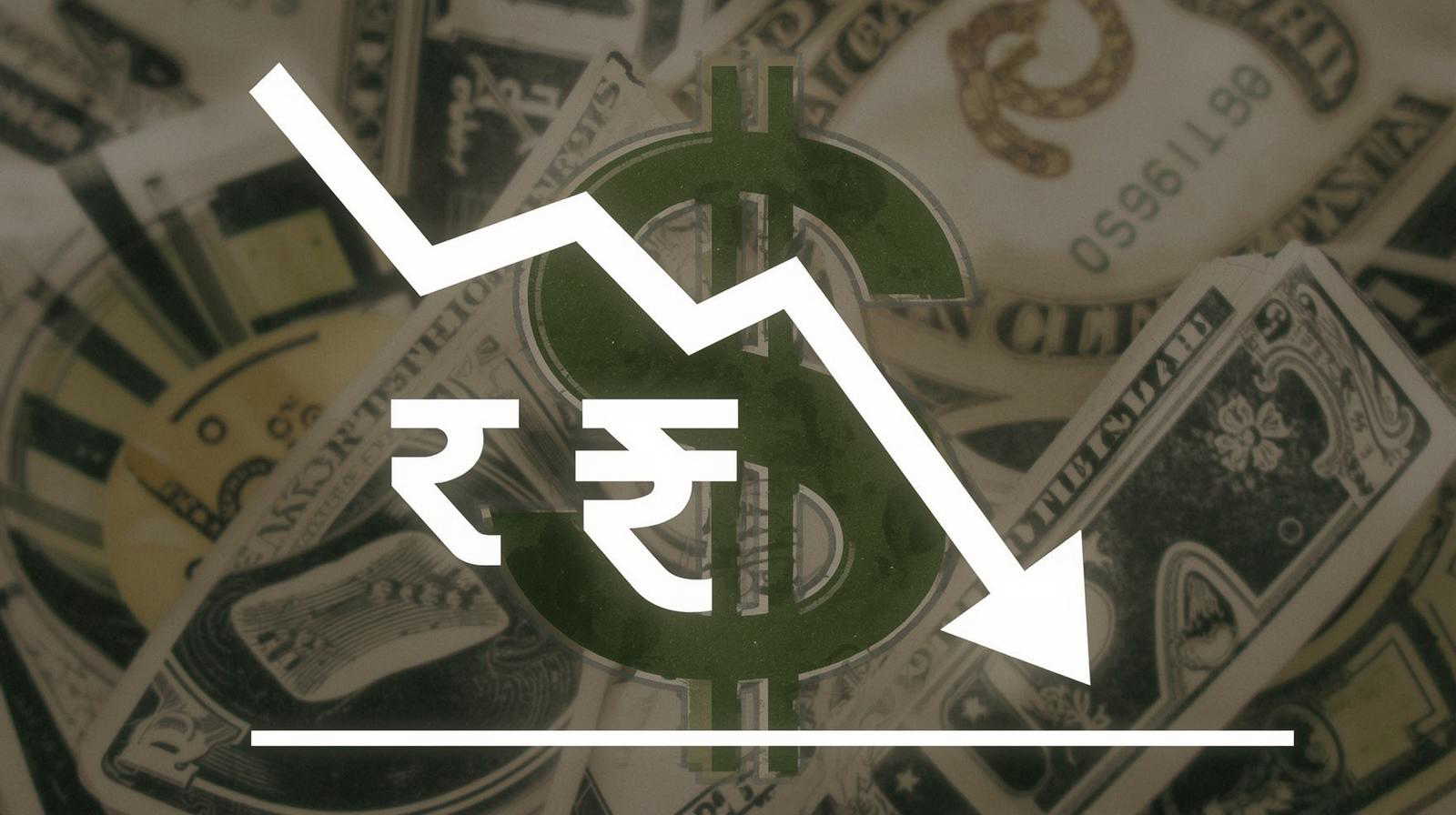
The rupee fell below the 94-per-dollar mark for the first time and closed at 94.81, while it slipped to an all-time low of 94.84 in intraday trade, recording its worst decline in over a decade.
The rupee has slipped by almost 4% since late February and 11% in the current financial year due to persistent selling pressures and global issues.
FII outflows drive currency pressure
Market participants said the slide has been driven more by heavy foreign investor selling than geopolitical tensions in West Asia.
Also Read | Will Iran war hit your beer? Gas crunch may push prices up by 15% in India
Foreign institutional investor (FII) outflows have crossed $13 billion this month, an all-time high, adding significant pressure on the rupee. “More than the West Asia war, the pressure on the rupee is from heavy sell-off by FIIs, which has crossed $13 billion this month,” said KN Dey, a forex consultant told Times of India.
He added that any easing of geopolitical tensions could trigger a short-term correction, while expected inflows from deals such as the Mitsubishi–Shriram Finance transaction may offer some support.
Oil prices, inflation concerns weigh on outlook
Analysts expect crude oil prices to remain above $100 per barrel in the near term, which could widen India’s import bill and fuel inflation.
The domestic financial markets have also shown signs of strain. The stock markets have registered a sharp fall, and the benchmark bond yields have risen to multi-month highs.
Also Read | Stock market down for 5 consecutive weeks; ₹9 lakh crore wiped out in Friday crash
The growth estimates have been lowered while the chances of a rise in interest rates have strengthened. The recent decision of the government to reduce the excise duty on fuel could help contain fuel prices but could also impact the fiscal deficit.
Despite some signs of de-escalation of global tensions, the rupee continues to face downside risks. At present, the currency markets are vulnerable to global oil prices, capital flows, and geopolitical events.